
Security Breach at UK Air Base Raises European Espionage Concerns
The arrest of two Latvian men inside RAF Molesworth has triggered heightened security reviews across British military installations amidst rising concerns over European sabotage and espionage.
Geopolitical & Core Developments
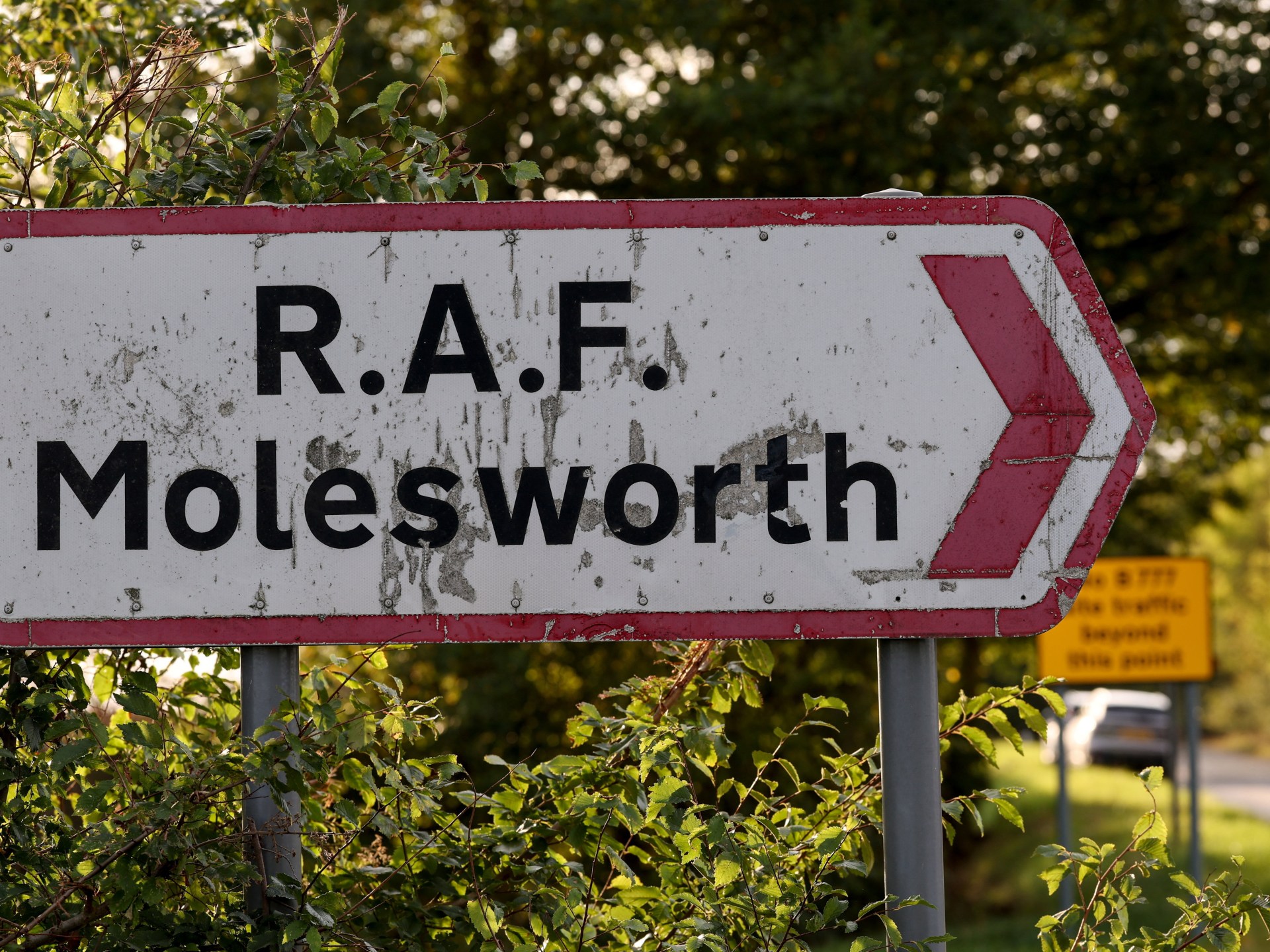
The arrest of two Latvian nationals inside the secure perimeter of RAF Molesworth in Cambridgeshire has ignited profound security concerns across the United Kingdom and its NATO allies. British law enforcement and counter-terrorism units detained the individuals following the unauthorized intrusion into a facility housing critical intelligence and communication assets utilized by both the Royal Air Force and the United States Visiting Forces. While local constabulary forces have stated that preliminary investigations show no immediate connection to an incident at RAF Fairford last month, intelligence analysts remain skeptical, treating the breach as part of a wider, more coordinated probing of Western military infrastructure.
The timing of the security lapse coincides with a heightened state of alert across Europe, driven by escalating tensions between NATO and the Russian Federation. Security agencies have documented a sharp uptick in reconnaissance activities, cyber intrusions, and suspicious logistical anomalies near defense sites over the past eighteen months. The involvement of nationals from the Baltic region—a frontline geopolitical flashpoint—adds a complex layer of diplomatic and security friction. State actors increasingly rely on non-traditional operatives and localized proxies to gather intelligence on sensitive Western defense nodes, complicating attribution and defensive postures.
[Global Trade](/news/wto-upgrades-global-trade-forecast-pakistan-gains-middle-east-disruptions) & Economic Ripples
While the breach at RAF Molesworth is primarily a matter of national security and defense intelligence, security incidents involving vital military infrastructure invariably generate ripples across global commodity and financial markets. Heightened threat levels around critical defense logistics hubs force immediate augmentations in security expenditure, impacting defense sector allocations and redirecting public capital toward cybersecurity and physical hardening. Furthermore, persistent vulnerabilities in Western military logistics hubs introduce risk premiums into European aerospace and defense equities.
International trade corridors, particularly within the North Sea and Baltic regions, are highly sensitive to perceived escalations in geopolitical friction. Although physical shipping lanes and energy commodity flows remain unaffected by this localized incident, the overarching climate of hybrid warfare exerts psychological pressure on supply chain stakeholders. Insurers of maritime and aviation freight closely monitor such security breaches as indicators of deteriorating regional stability, which can rapidly translate into higher marine war risk insurance premiums and increased operational costs for international commerce operating in Northern Europe.
Related Intelligence: WTO Upgrades Global Trade Forecast as Pakistan Gains from Middle East Disruptions
International Reactions & Diplomatic Stances
Official responses from Whitehall and international bodies have emphasized a rigorous, methodical approach to the ongoing investigation. The Ministry of Defence has reiterated its commitment to maintaining the highest standards of installation security, announcing comprehensive audits of perimeter defenses across all joint-service facilities. Diplomatic channels between London and Riga have been activated to verify the background, associations, and motivations of the detained Latvian nationals, ensuring full cooperation under bilateral law enforcement frameworks.
Multilateral security bodies, including NATO commands, view such incidents as symptomatic of a broader campaign of hybrid gray-zone tactics designed to test alliance responsiveness and internal cohesion. Analysts at major geopolitical think tanks emphasize that Western governments must recalibrate their counter-intelligence frameworks to address decentralized threats. The imperative to protect sensitive intelligence-sharing networks from low-level probing has become a paramount agenda item for interior and defense ministers across the continent.
Strategic Outlook & Future Scenarios
Looking ahead, the RAF Molesworth breach is expected to accelerate the implementation of advanced automated perimeter surveillance, artificial intelligence-driven anomaly detection, and stricter vetting protocols for contractors and visitors at sensitive military sites. Policymakers in the United Kingdom and allied nations will likely face increased domestic political pressure to close security loopholes and enhance coordination between domestic police, intelligence agencies, and military police.
As hybrid warfare evolves, the boundary between domestic law enforcement and international geopolitical defense continues to blur. The trajectory of subsequent diplomatic engagements will depend heavily on whether the investigation uncovers direct state sponsorship or reveals a more isolated criminal infraction. Regardless of the immediate judicial outcome, the incident serves as a stark reminder of the persistent vulnerabilities facing critical defense infrastructure in an era of heightened global strategic competition.
Join Our Official WhatsApp Channel
Receive live commodity alerts, policy changes, and commercial intelligence directly on WhatsApp.