
Stalled Hormuz Fertilizer Accord Threatens Global Food Security, UN Warns
A diplomatic impasse over shipping through the Strait of Hormuz risks choking off critical fertilizer shipments, threatening global agricultural yields and food security, according to United Nations officials.
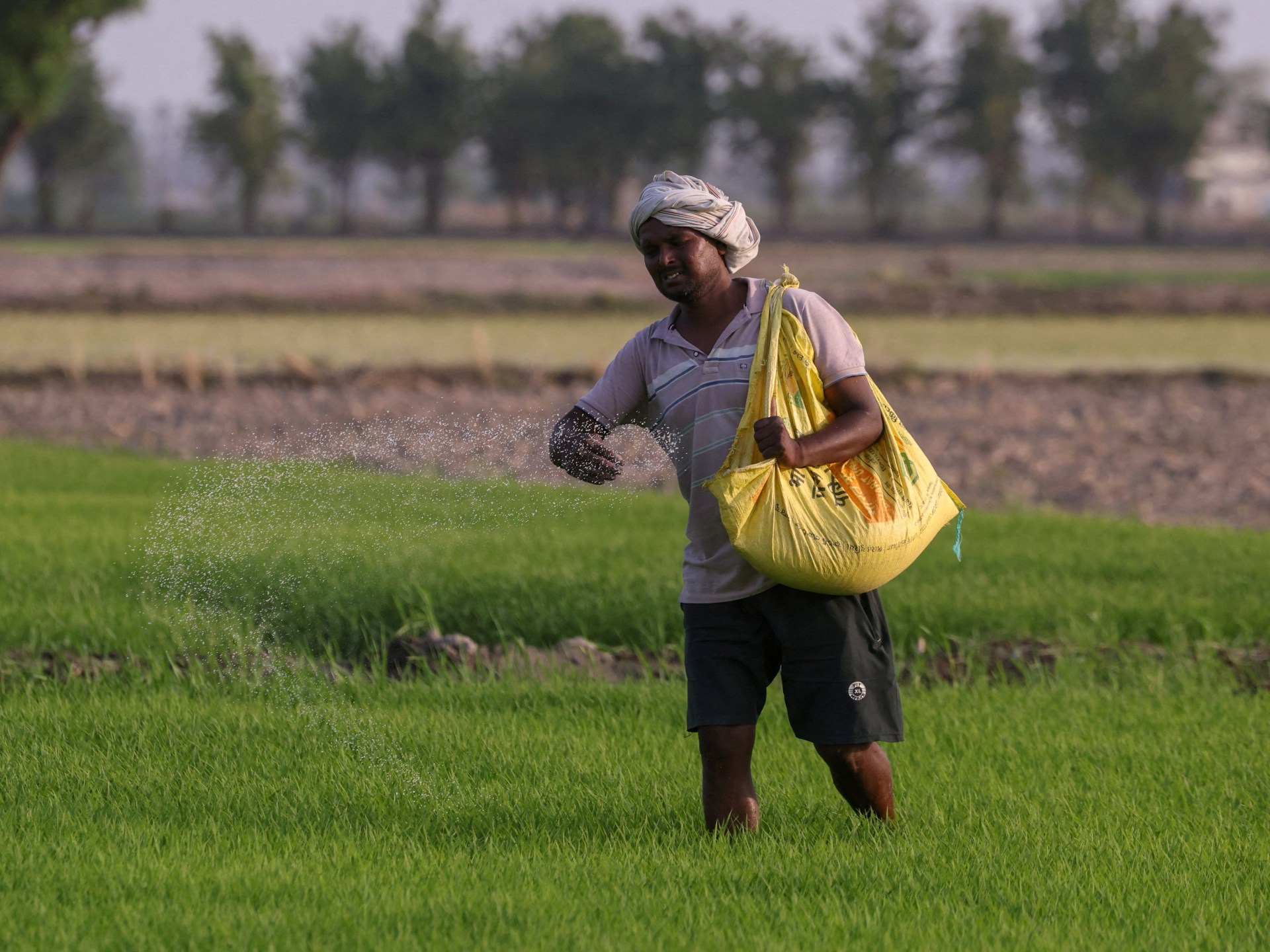
Geopolitical & Core Developments
A critical United Nations-backed diplomatic effort to establish safe passage for fertilizer exports through the Strait of Hormuz has stalled, precipitating warnings of an impending supply crisis that could destabilize global agriculture. The strategic maritime chokepoint, through which a significant share of the world's petrochemical derivatives and mineral fertilizers transit, has become increasingly fraught amid heightened regional tensions and naval friction.
Negotiators from multilateral agencies have spent weeks attempting to broker a specialized maritime corridor designed to insulate agricultural inputs from regional disputes. However, disagreements over vessel inspections, sovereign maritime jurisdictions, and reciprocal sanctions relief have ground talks to a halt. United Nations officials familiar with the discussions cautioned that without an immediate framework to unblock bulk carriers, millions of metric tons of essential crop nutrients—principally urea, ammonia, and potash—will remain stranded at regional export terminals.
[Global Trade](/news/yemen-war-scenarios-houthi-red-sea-trade-impact) & Economic Ripples
The maritime paralysis is already transmitting volatile signals across international commodity exchanges. The Middle East accounts for a vital slice of merchant fertilizer shipments, particularly nitrogen-based compounds manufactured via regional natural gas feedstock. With vessel operators rerouting or idling bulk carriers due to prohibitive war-risk insurance premiums, spot prices for urea and diammonium phosphate have begun inching upward in global trading hubs from Europe to Southeast Asia.
Agricultural economists warn that protracted disruptions will produce cascading vulnerabilities. If the bottleneck persists into the prime application cycles for major grain producers in South Asia, Latin America, and Sub-Saharan Africa, downstream crop yields could register a severe downturn. Compounding these dynamics is the fragility of global supply chains already strained by maritime diversions elsewhere, which has inflated global freight benchmarks and drained sovereign foreign-exchange reserves among import-dependent developing economies.
Related Intelligence: Pakistan and Oman Deepen Strategic Ties Amid Rising Middle East Tensions
International Reactions & Diplomatic Stances
Addressing the impasse, senior United Nations humanitarian and trade officials emphasized that isolating food production inputs from broader geopolitical maneuvering is imperative. Multilateral representatives warned that a prolonged blockage would directly impair global agricultural productivity, transitioning an acute shipping dispute into a structural food availability crisis.
Agricultural ministries in major import nations, including India and Brazil, have expressed mounting concern over the prospective supply shortfall. Industry lobby groups, such as the International Fertilizer Association, have called on littoral states and maritime security coalitions to guarantee commercial passage. Meanwhile, regional actors involved in the standoff have maintained rigid diplomatic stances, exchanging blame for the breakdown in maritime security guarantees while linking safe passage protocols to broader security compromises.
Strategic Outlook & Future Scenarios
The trajectory of global crop yields over the coming quarters hinges directly on whether a technocratic compromise can be decoupled from regional geopolitical antagonisms. If negotiations remain deadlocked, commercial operators are expected to continue bypassing the Gulf or demand substantial state-backed insurance underwriting, locking in elevated input prices for farmers globally.
In the absence of a comprehensive maritime security agreement, market participants anticipate emergency bilateral sourcing deals with alternative producers in North America and North Africa. However, logistical lead times and finite global surge capacity mean alternative supply chains cannot immediately offset a protracted outage in the Strait of Hormuz. International attention will turn to upcoming multilateral sessions and emergency maritime security consultations, where diplomats face narrowing timelines to avert a systemic shock to global food systems.
Join Our Official WhatsApp Channel
Receive live commodity alerts, policy changes, and commercial intelligence directly on WhatsApp.