
Simultaneous Exhibitions Connect Artists Across Gaza and West Bank Amid Fragmentation
Young Palestinian artists in Gaza and the West Bank hold parallel exhibitions, defying administrative fragmentation and highlighting the heavy economic and human toll of long-standing regional movement restrictions.
Geopolitical & Core Developments
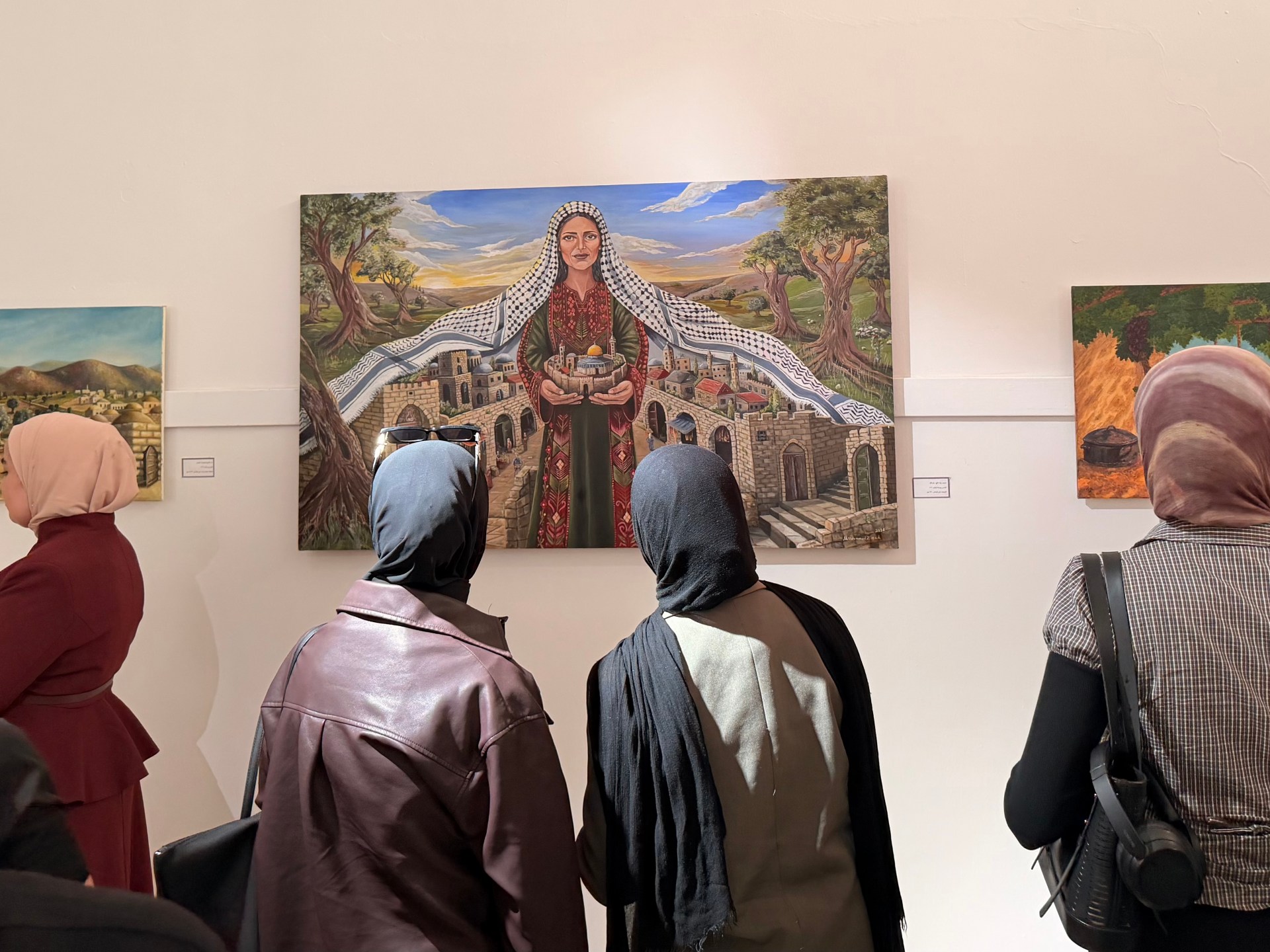
In an effort to transcend profound geographical and political separation, young Palestinian artists across the Gaza Strip and the occupied West Bank have mounted synchronized art exhibitions. The collaborative initiative highlights a resilient cross-territorial connection despite decades of Israeli-enforced movement restrictions, distinct administrative authorities, and recurring military escalations that have effectively severed direct interactions between the two enclaves.
The separation between the Gaza Strip, governed internally by Hamas, and the West Bank, overseen by the Palestinian Authority, represents one of the most prominent geopolitical fault lines in the Middle East. Physical transit between the two territories remains strictly curtailed, requiring complex permit systems administered by Israeli authorities that are rarely granted to civilians or cultural practitioners. By leveraging digital coordination and parallel venue staging, organizers placed physical canvases and mixed-media installations beside one another in simultaneous gallery openings in Ramallah and Gaza City, symbolically overcoming the spatial fragmentation that has characterized the region since the territorial divisions entrenched in the mid-1990s and post-2007 political schisms.
Global Trade & Economic Ripples
While cultural in execution, the systemic isolation underscored by the exhibitions reflects a structural economic paralysis across the Palestinian territories that carries direct consequences for broader Eastern Mediterranean stability. The long-standing blockade on Gaza and extensive checkpoints throughout the West Bank severely constrain internal commerce, industrial manufacturing, and cross-border logistics. Local enterprises, including creative and design sectors, operate under persistent supply-chain bottlenecks, volatile transit tariffs, and restricted access to raw materials and export gateways.
From a regional macroeconomic perspective, continuous instability in the Levant perpetuates heightened sovereign risk premiums, impacting insurance rates across Eastern Mediterranean shipping routes and dampening long-term direct foreign investment in neighboring transit hubs such as Jordan and Egypt. The inability of localized workforces to integrate or export high-value service-sector goods diminishes purchasing power and entrenches heavy reliance on international budgetary assistance. Furthermore, heightened regional frictions routinely introduce speculative volatility into energy markets, as security analysts monitor whether localized unrest could influence broader regional maritime security or oil shipping corridors near the Red Sea.
International Reactions & Diplomatic Stances
The initiative has garnered attention from multilateral human rights bodies, European diplomatic missions, and non-governmental cultural agencies operating across the occupied territories. United Nations officials have repeatedly stated that persistent geographic fragmentation undermines the prospects for sustainable economic development and the viability of a contiguous sovereign Palestinian state under international law. UN agencies monitoring human rights and cultural exchange have observed that physical isolation deprives younger demographics of critical educational and commercial mobility.
European Union representatives and cultural attaches present in Jerusalem and Ramallah have highlighted that supporting cross-territory civic partnerships remains a vital element of peacebuilding diplomacy. Conversely, Israeli security officials maintain that sweeping transit constraints and stringent border management are essential defense mechanisms designed to prevent the illicit transfer of material and personnel between the territories. Regional political analysts note that civil initiatives increasingly shoulder the burden of sustaining collective identity in the absence of tangible progress on official diplomatic tracks.
Strategic Outlook & Future Scenarios
The immediate trajectory suggests that civic, academic, and economic interactions between Gaza and the West Bank will continue to rely primarily on decentralized and digital mechanisms. With conventional diplomatic frameworks stalled and no formal negotiations addressing internal Palestinian territorial contiguity, administrative division is expected to persist as a baseline condition.
Looking ahead, international donor conferences and regional stability forums face expanding pressure to address the structural impediments governing economic and human movement. Analysts suggest that absent significant policy shifts regarding land borders and economic transit, the economic disparity between the enclaves will widen, compounding socio-economic vulnerabilities. However, persistent grassroots initiatives demonstrate that cross-territorial alignment remains durable, presenting a counterweight to institutional division while reflecting the persistent demand for economic and social integration across the Levant.
Join Our Official WhatsApp Channel
Receive live commodity alerts, policy changes, and commercial intelligence directly on WhatsApp.