
Pakistan School Infrastructure Crisis Sparks Regulatory Scrutiny and Construction Audits
Repeated structural collapses across educational facilities in Pakistan have triggered nationwide calls for strict building compliance audits, impacting institutional development costs and commercial construction procurement.
The Core Development
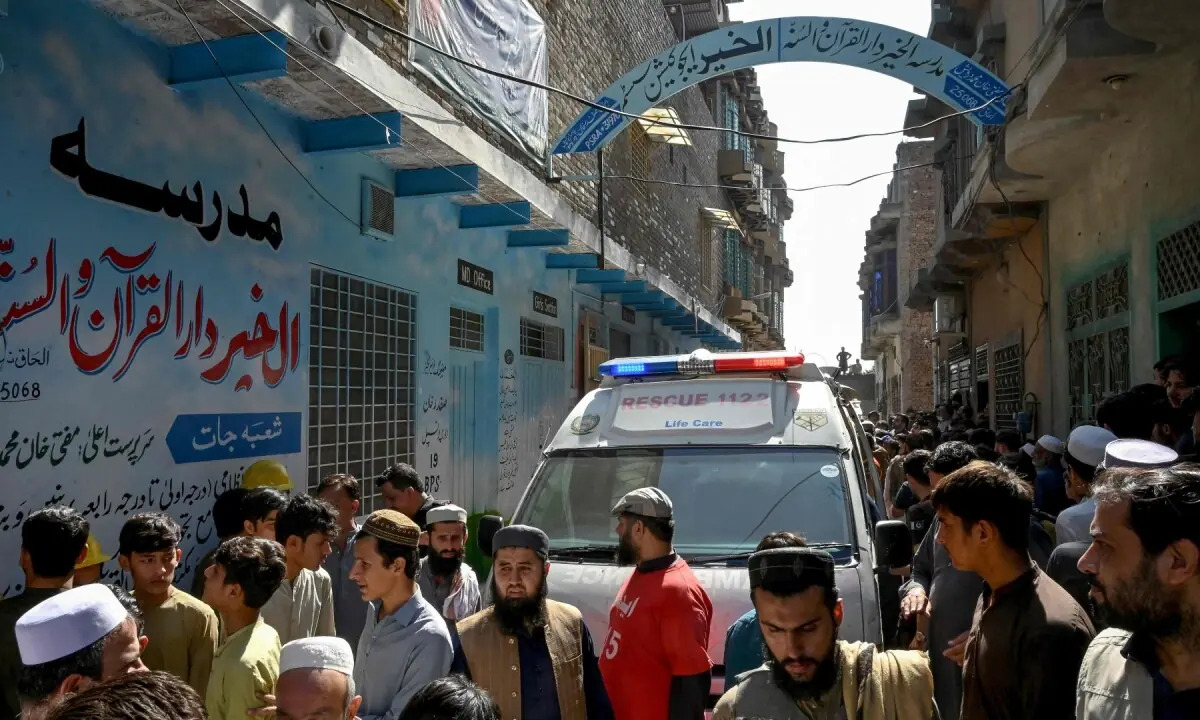
A catastrophic structural failure at a private school located in Peshawar's Afridi Abad district has claimed the lives of 33 people, including 32 young students aged between seven and 14 along with a female teacher. The collapse, occurring during routine operational hours, ranks among the most severe domestic institutional building failures in recent memory. Emergency response units, local volunteers, and regional disaster management teams faced significant operational delays due to congested neighborhood access corridors and substandard building density.
This incident forms part of a distressing chronological sequence across Pakistan. In recent years, documented failures have spanned urban centers from Karachi in Sindh to peripheral districts in Khyber Pakhtunkhwa. Only months prior, a dilapidated masonry boundary wall at a public-sector school in Karachi collapsed, causing five fatalities. The frequency of these structural incidents underscores systemic deficits in municipal construction permits, lack of post-occupancy structural safety certifications, and deferred maintenance by educational management entities. Provincial administrations have launched inquiry committees, but structural engineers emphasize that regulatory inaction continues to allow substandard commercial properties to operate unchecked as academic institutions.
Commercial & Economic Implications
Beyond the profound humanitarian tragedy, the recurrent collapse of academic infrastructure exposes critical economic vulnerabilities in domestic municipal oversight, commercial real estate, and procurement chains. Substandard construction often correlates directly with the deployment of substandard rebar, low-grade cement blends, and irregular aggregate ratios sourced from undocumented local distributors aiming to compress capital expenditure. The unregulated private education sector—particularly low-fee community facilities—frequently operates within converted, non-reinforced residential properties that fail structural load requirements.
Should municipal regulators enforce nationwide compliance frameworks, private operators face an immediate surge in retrofitting and structural auditing costs. The demand for certified civil engineering assessments, high-specification building materials, and fire-and-structural insurance products is projected to rise sharply. Concurrently, wholesale markets for steel, structural timber, and grade-approved cement will experience tighter scrutiny over certification, shifting commercial advantage toward standardized, corporate manufacturers over non-compliant secondary vendors. For households, compounding compliance overheads will almost certainly be transferred to consumer school tuition fees, adding to existing inflationary pressures on domestic budgets.
Related Intelligence: Parliament Debates Emergency and Governor Rule Measures Across Khyber Pakhtunkhwa
Stakeholder Perspectives & Market Reactions
Civil engineering associations, real estate developers, and chambers of commerce have expressed urgent concern over systemic enforcement lapses. Representatives of the Pakistan Engineering Council (PEC) have iterated that the National Building Code of Pakistan must be treated as a legally binding obligation rather than an advisory document. Legal advocates emphasize that negligence resulting in loss of life should prompt rigorous criminal accountability under construction liability doctrines for both contractors and municipal inspectors.
Conversely, associations representing low-cost private schools argue that municipal compliance costs and bureaucratic hurdles have historically deterred formal registration and upgrades. They argue that without targeted state financing mechanisms or tax incentives for educational infrastructure upgrades, many institutions cannot finance mandatory structural remediations. Meanwhile, public outrage across civil society continues to mount, demanding that provincial education departments face legal repercussions for sanctioning operations in unverified buildings.
Forward Outlook & Key Watchpoints
The immediate watchpoint will be the policy response from provincial assemblies in Khyber Pakhtunkhwa, Sindh, and Punjab regarding mandatory structural integrity certifications. Regulatory authorities are anticipated to introduce synchronized third-party structural audit mandates for all operational academic buildings within a six-month window. Institutions failing to produce structural stability certificates from certified engineers risk immediate license revocation and operational closures.
Investors and commercial property stakeholders must track municipal building authority revisions and the standardization of materials enforcement in local wholesale supply chains. A nationwide clampdown on non-compliant concrete products and uncertified structural rebar would trigger a structural reorganization of regional building material supply networks, reinforcing premium material demand across Pakistan's civil construction landscape.
Join Our Official WhatsApp Channel
Receive live commodity alerts, policy changes, and commercial intelligence directly on WhatsApp.