
Kashmir Sermon Standardization Proposal Triggers Political Backlash and Regional Instability Concerns
India's reported move to standardize Friday sermons across Kashmir mosques has ignited widespread domestic and regional pushback, stoking geopolitical friction and investor caution across South Asian frontier markets.
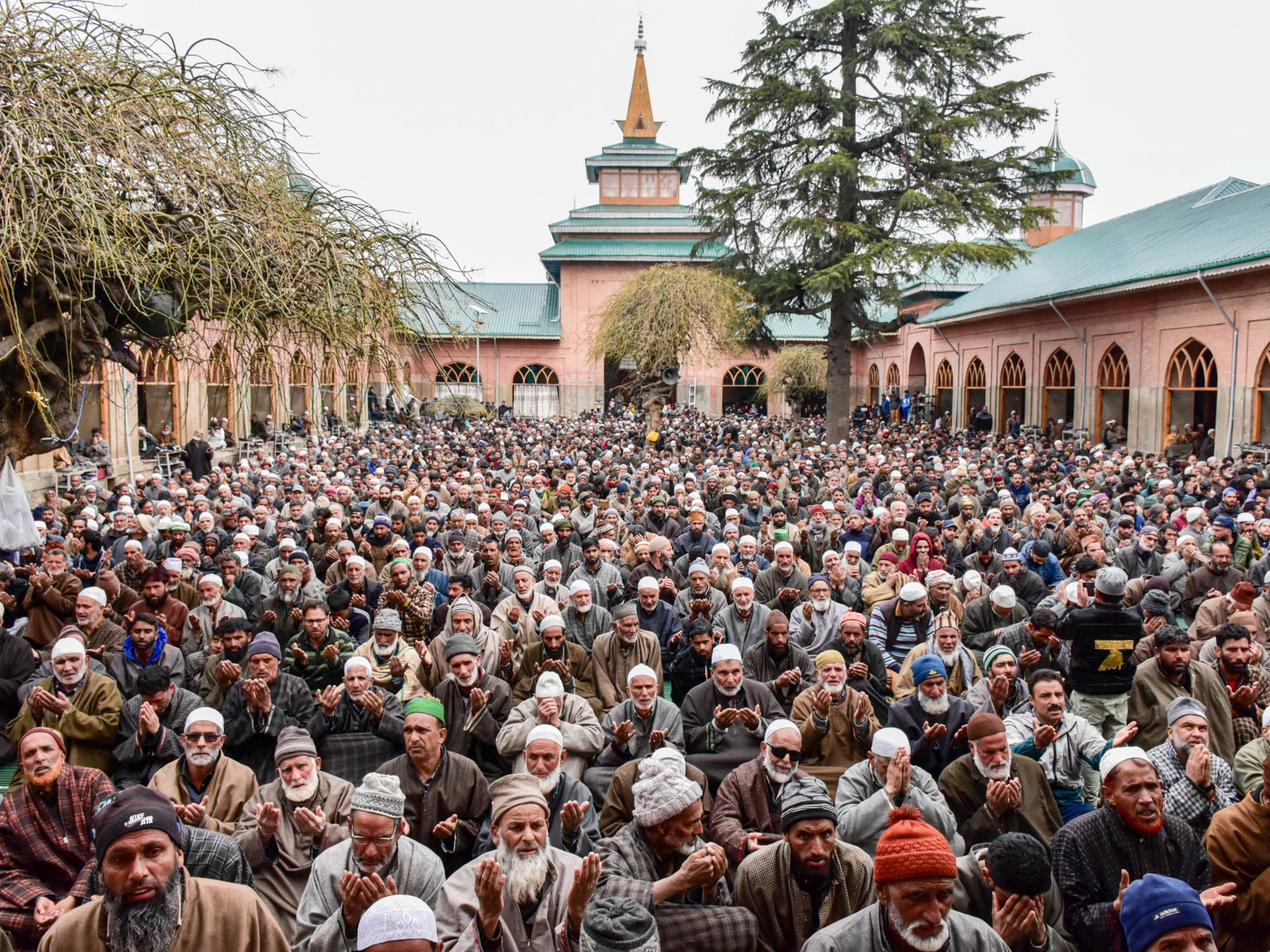
Geopolitical & Core Developments
A controversial administrative proposal to implement uniform Friday sermons across mosques in Indian-administered Jammu and Kashmir has triggered severe domestic backlash, renewing geopolitical tensions in the sensitive Himalayan territory. Religious scholars, community leaders, and regional political figures have vociferously criticized the initiative, interpreting it as an unprecedented intervention by Prime Minister Narendra Modi's government into ecclesiastical autonomy and civil liberties.
The development marks the latest friction point following the 2019 revocation of Jammu and Kashmir's special constitutional autonomy under Article 370. Critics argue that prescribing centralized themes for Friday prayers undermines the region's pluralistic religious fabric and curtails fundamental freedoms of expression and worship. State administrators assert that regulating sermon content aims to curb radicalization, preserve public order, and dismantle separatist rhetoric. However, the move has galvanized broad-based opposition across the Kashmir Valley, with local clerics warning that state-mandated discourse risks exacerbating alienation and civil disobedience across a strategically vulnerable border region.
Global Trade & Economic Ripples
While the dispute centers on socio-religious governance, its commercial ramifications resonate across South Asian markets and cross-border trade networks. Kashmir remains an indispensable hub for regional horticultural production, notably supplying dry fruits, saffron, and premium apples to broader Asian and Middle Eastern retail markets. Heightened civil unrest and administrative lock-ins historically disrupt agrarian logistics, inflating inland freight rates and severing supply chains linked to northern distribution hubs.
On a broader macroeconomic scale, recurring friction in Kashmir dampens institutional appetite for sovereign and infrastructure investments in South Asia. International logistics corridors, including transit routes connecting Central Asia, Pakistan, and northern India, face prolonged geopolitical risk premiums. Any sustained operational instability threatens localized warehousing operations, transport networks, and commercial banking activities in frontier territories, prompting multinational commodity trading desks to factor higher security and compliance costs into regional contracts.
Related Intelligence: Israeli Elections Test Fragile Diplomatic and Trade Ties Across Africa
International Reactions & Diplomatic Stances
The developments have drawn intense scrutiny from regional neighbors and international observers. In Islamabad, diplomatic authorities condemned the administrative measure as a direct infringement on religious sovereignty, indicating plans to raise the issue before the Organisation of Islamic Cooperation (OIC) and the United Nations Human Rights Council (UNHRC). Pakistan's foreign ministry reiterated calls for international monitoring of civil liberties within the disputed territory.
Conversely, New Delhi maintains that administrative oversight in Jammu and Kashmir is an internal sovereign matter aimed at regional development and counter-extremism. Western allies, while prioritizing strategic bilateral engagements and trade partnerships with India, continue to monitor institutional developments in the region. Human rights watchdogs and international legal organizations have expressed concern that prescriptive state measures could violate international covenants on civil and political rights, calling for restraint and open dialogue between local authorities and civil society.
Strategic Outlook & Future Scenarios
The trajectory of the dispute will largely depend on the government's enforcement posture and civil reaction over forthcoming liturgical cycles. If authorities aggressively mandate sermon content, recurring general strikes and widespread civil demonstrations could paralayze local commercial activity, prompting localized internet restrictions and tightened security perimeters that paralyze daily commerce.
Over the medium term, heightened tensions risk disrupting nascent diplomatic detentes between New Delhi and Islamabad, freezing potential dialogues on trade normalization and regional connectivity. Continued regulatory overreach could also elevate scrutiny during international multilateral forums, potentially triggering renewed formal debates at the UNHRC. For regional logistics operators, commercial banks, and commodity merchants, maintaining resilient operational contingencies and closely monitoring administrative decrees will be essential to mitigating geopolitical volatility in South Asia.
Join Our Official WhatsApp Channel
Receive live commodity alerts, policy changes, and commercial intelligence directly on WhatsApp.