
Deadly Istanbul Floods Paralyze Infrastructure Across Strategic Eurasian Transit Hub
Catastrophic flash floods across Istanbul have left one dead, submerged critical infrastructure, and disrupted logistics across Turkiye's primary commercial hub, testing municipal resilience.
Geopolitical & Core Developments
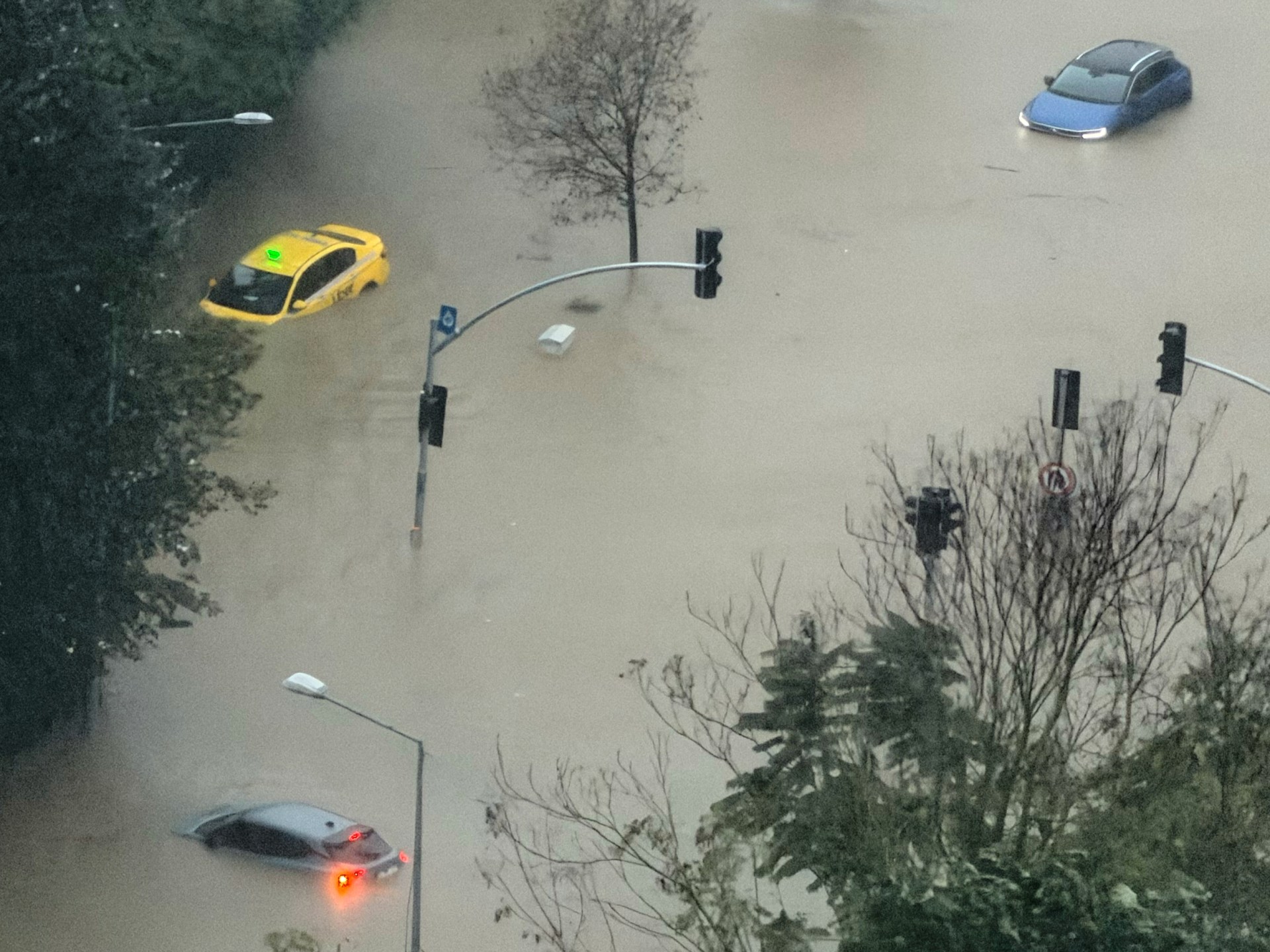
A catastrophic meteorological event has inundated Istanbul, Turkiye's principal economic engine and premier transcontinental bridge, causing widespread structural failure, halting transport networks, and claiming the life of a teenager. Unprecedented torrential downpours rapidly overwhelmed the metropolis's drainage networks, turning major thoroughfares into torrents, collapsing subterranean road networks, and forcing the inundation of frontline medical facilities. The disaster prompted the immediate closure of educational institutions, suspended municipal mass transit, and mobilized central emergency rescue divisions under the Disaster and Emergency Management Authority (AFAD).
The crisis carries immediate strategic implications for President Recep Tayyip Erdogan's administration and the municipality of Istanbul, led by the opposition Republican People's Party (CHP). The recurring failure of urban hydraulic infrastructure in a megacity of over 16 million residents exposes institutional fault lines between central authorities and local governance. As emergency services race to drain flooded basement facilities and clear blocked arterial transit corridors, the political fallout surrounding municipal infrastructure investment, urban planning regulations, and climate-adaptation financing is intensifying across Ankara and Istanbul.
Global Trade & Economic Ripples
Istanbul occupies a critical operational position in Eurasian supply chains, serving as the nexus between European trade corridors, the Black Sea basin, and the wider Middle East. The suspension of domestic logistics and road transport across the city's European and Asian sectors has generated immediate friction in regional distribution networks. Prolonged ground transit delays threaten cargo handling efficiencies at key logistics hubs feeding the Sea of Marmara ports and air freight operations through Istanbul Airport, one of the world's busiest cargo and passenger transfer points.
While maritime navigation through the strategic Bosphorus Strait—a vital transit chokepoint for Russian and Ukrainian grain shipments, crude oil, and commercial dry bulk—has avoided sustained operational shutdowns, ancillary port services, pilotage, and intermodal transport connections experienced severe disruption. Commercial analysts note that sustained disruptions to Turkiye's industrial heartland inevitably place pressure on manufacturing output, compounding broader inflationary challenges within the domestic economy and driving up localized freight insurance premiums.
Related Intelligence: Sally Rooney Works Withdrawn as UK Retailers Face Political Fallout
International Reactions & Diplomatic Stances
International organizations and regional partners have expressed solidarity with Turkiye while emphasizing the accelerating frequency of severe climatic events across the Mediterranean and Black Sea basins. European disaster monitoring services noted that the Mediterranean storm system mirrors erratic weather patterns observed across Southern Europe throughout the current fiscal year. The United Nations Framework Convention on Climate Change (UNFCCC) monitors highlighted the incident as further evidence of the urgent requirement for accelerated municipal resilience spending in critical global transit corridors.
Market observers and financial rating agencies are concurrently evaluating the fiscal burden of recurrent environmental catastrophes on Turkiye's sovereign treasury, which remains heavily committed to reconstruction efforts following the devastating 2023 southeastern earthquakes. Multilateral development lenders, including the European Bank for Reconstruction and Development (EBRD) and the World Bank, are expected to review ongoing municipal infrastructure loans earmarked for flood-mitigation and urban modernization projects across northwestern Turkiye.
Strategic Outlook & Future Scenarios
The trajectory of the immediate recovery hinges on the speed with which AFAD and municipal engineers can restore power grids, clear transport arteries, and sanitize compromised public healthcare infrastructure. Over the medium term, the disaster will inevitably become a central battleground in Turkish domestic politics, intensifying debates over structural zoning laws, uncontrolled urban expansion, and environmental governance ahead of upcoming municipal oversight reviews.
On the international stage, Turkiye is anticipated to leverage this latest ecological disruption to advocate for increased climate financing and infrastructure grants at impending multilateral environmental summits. For international logistics operators, freight forwarders, and commodity traders, the Istanbul floods underscore the persistent vulnerability of critical transcontinental hubs, necessitating the integration of dynamic climate contingency planning into global supply chain risk frameworks.
Join Our Official WhatsApp Channel
Receive live commodity alerts, policy changes, and commercial intelligence directly on WhatsApp.