
Severe Flash Flooding Paralyzes Istanbul Following Record Deluge
Record-breaking rainfall in Istanbul has claimed two lives and shuttered key infrastructure, raising concerns over municipal preparedness and supply chain vulnerability across Turkey's commercial capital.
Geopolitical & Core Developments
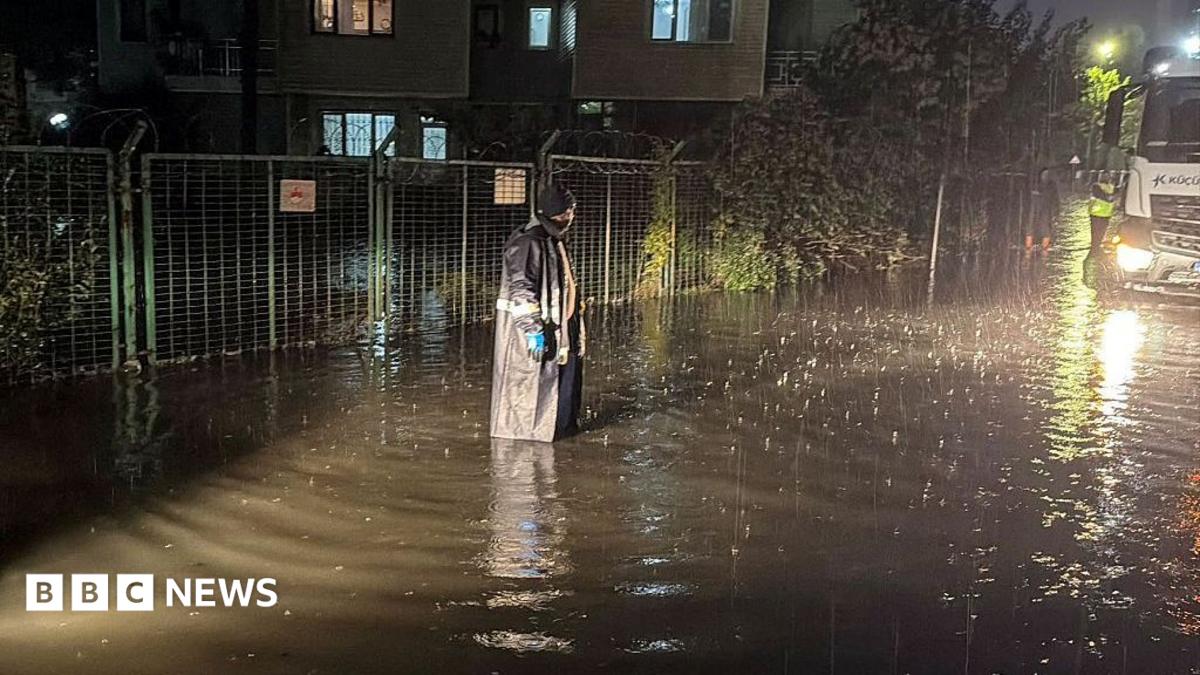
A catastrophic meteorological event struck Turkey's financial and cultural epicenter of Istanbul, delivering the heaviest concentrated precipitation recorded in the metropolitan area in 84 years. Municipal authorities confirmed at least two fatalities as torrential downpours rapidly overwhelmed local drainage networks, inundating lower-elevation neighborhoods across both the European and Asian sectors of the megacity. Istanbul Governor Davut Gül issued emergency advisories urging millions of residents to shelter in place and refrain from using vehicles as urban search-and-rescue teams mobilized across flooded thoroughfares.
The administrative scale of the crisis underscores the strategic vulnerabilities inherent to Istanbul, a dual-continent metropolis housing over 15 million citizens. Key transit corridors, including portions of the metropolitan rail network, underpasses, and arterial highway access to Istanbul Airport, experienced localized suspensions. While President Recep Tayyip Erdogan's central administration directed disaster agency AFAD to disburse emergency support, the disaster has rapidly triggered domestic political scrutiny regarding municipal infrastructure spending, land reclamation standards, and the capacity of urban drainage systems to withstand accelerated climate volatility.
Global Trade & Economic Ripples
As the primary engine of the Turkish economy, generating over 30 percent of the nation's gross domestic product, operational disruptions in Istanbul quickly resonate through international trade channels. While the Bosphorus Strait—one of the world's most critical maritime chokepoints for Black Sea agricultural goods, Russian crude, and regional petrochemicals—maintained restricted commercial vessel movements, logistical bottlenecks emerged at regional freight terminals and peripheral logistics parks.
Interrupted inland connectivity temporarily hampered the transit of finished manufacturing goods and automotive parts destined for European markets, highlighting vulnerabilities in regional 'nearshoring' supply chains. Domestically, the physical damages are poised to test the Turkish Treasury and insurance sector at a time when monetary authorities in Ankara are actively pursuing tight economic policies to curb high inflation and stabilize the Turkish lira. Secondary commercial risks involve the cost of immediate structural repairs, municipal emergency expenditures, and potential supply-side interruptions to localized manufacturing output.
Related Intelligence: Retail Friction Exposes Broader Global Consumer Trends and Cultural Divides
International Reactions & Diplomatic Stances
Regional partners and multilateral institutions extended initial condolences and monitored the humanitarian impact. Representatives from the European Union, which maintains comprehensive customs and trade ties with Turkey, expressed solidarity, noting that extreme weather systems across the Mediterranean basin emphasize the necessity of cross-border civil protection frameworks and environmental resilience cooperation.
Meteorological and urban planning analysts underscored that the severity of the flooding mirrors recent unseasonal weather patterns across Southern Europe, the Levant, and North Africa. Credit rating agencies and commercial insurers noted that climate-induced municipal losses represent an escalating operational cost for emerging industrial markets, where rapid urban sprawl frequently outpaces civil water-management infrastructure.
Strategic Outlook & Future Scenarios
In the near term, public works agencies face an extensive clean-up operation to restore normal logistics capacity across Istanbul's arterial transit corridors. Politically, the disaster is expected to become a central friction point ahead of domestic municipal planning debates, accelerating calls for substantial retrofitting of subterranean storm-drain systems and stricter zoning laws governing flood-plain construction.
On the international stage, the event will likely prompt Turkish delegations to push for heightened adaptation financing at forthcoming United Nations climate summits. Turkey's vulnerability to extreme hydrologic events reinforces the geopolitical urgency for regional climate cooperation, while logistics operators and international manufacturers will increasingly factor urban infrastructural resilience into their long-term supply chain diversification strategies across southeastern Europe.
Join Our Official WhatsApp Channel
Receive live commodity alerts, policy changes, and commercial intelligence directly on WhatsApp.