
Pakistan School Roof Collapse Leaves Over Thirty Dead in Peshawar
A catastrophic roof collapse at a school in Peshawar, Pakistan, has killed at least 34 people, predominantly pupils, prompting urgent rescue operations and intensifying scrutiny over domestic public infrastructure integrity.
Geopolitical & Core Developments
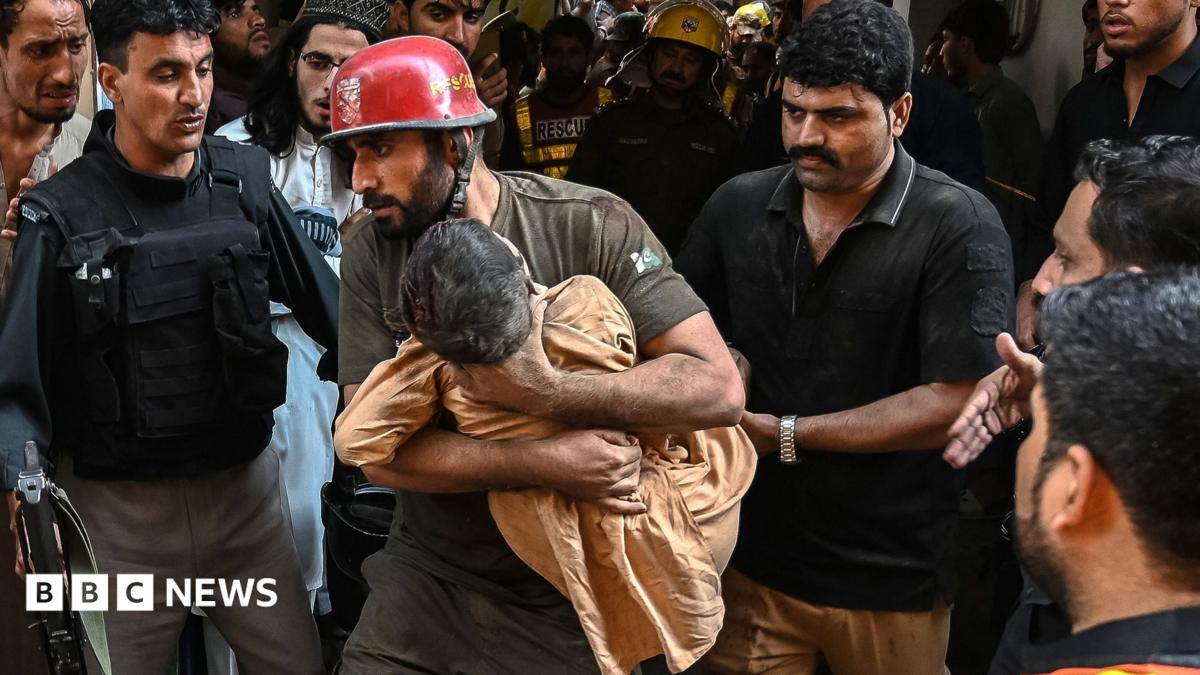
A catastrophic structural failure struck northwestern Pakistan on Thursday when the reinforced concrete roof of a multi-story educational facility collapsed in Peshawar, claiming the lives of at least 33 pupils and one faculty member. The incident occurred during peak morning instructional hours in the provincial capital of Khyber Pakhtunkhwa, trapping dozens beneath compacted concrete and rebar. Emergency responders, backed by paramilitary rescue units and local civilian volunteers, deployed hydraulic spreaders, thermal imaging, and heavy earthmoving machinery to clear tons of pulverized masonry in a frantic search for survivors.
Municipal health authorities confirmed that more than 40 injured individuals have been transferred to tertiary care facilities, including Lady Reading Hospital, with several listed in critical condition. Preliminary investigations point toward chronic structural deterioration compounded by illicit building modifications and substandard construction materials. The tragedy in Khyber Pakhtunkhwa—a border-adjacent province already grappling with complex regional security strains and economic bottlenecks—highlights systemic deficits in regulatory enforcement and building safety protocols governing educational institutions in the Global South.
Global Trade & Economic Ripples
While localized in immediate physical impact, the tragedy underscores macroeconomic vulnerabilities that reverberate through South Asia's procurement and capital development networks. Pakistan's construction sector has experienced severe volatility fueled by persistent domestic currency depreciation, balance-of-payments pressures, and elevated import costs for primary building materials such as structural steel billet and Portland cement. As building contractors face razor-thin margins and surging inflation, market analysts cite widespread compromises in structural integrity, concrete curing cycles, and compliance monitoring across public works.
Multilateral development banks and bilateral lenders, including the Asian Development Bank and the World Bank, are closely examining infrastructure project execution in the country. Heightened risk premiums on public infrastructure delivery could deter international private contractors and elevate sovereign credit contingencies, diverting scarce capital away from high-priority fiscal stabilization toward urgent remediation audits. Disruptions in public works integrity also introduce medium-term constraints on domestic economic growth, depressing regional labor productivity and compounding the socioeconomic challenges confronting the Pakistani rupee against major reserve currencies.
Related Intelligence: Federal Government Defends Governor Rule in Khyber Pakhtunkhwa Amid Security Crisis
International Reactions & Diplomatic Stances
The catastrophe has drawn international condolences alongside urgent calls from global organizations regarding institutional accountability. United Nations Secretary-General António Guterres, via a spokesperson, expressed profound grief over the loss of young lives and emphasized the fundamental right of children to access safe, structurally sound educational spaces. Representatives from UNICEF offered immediate logistical assistance to support psychological trauma intervention and emergency health care coordination for affected families.
Foreign ministries across South Asia, the Middle East, and Europe issued diplomatic dispatches expressing solidarity with Islamabad. Prime Minister Shehbaz Sharif and provincial administrative leaders announced formal high-level inquiries to establish civil and criminal liabilities against municipal inspectors and facility administrators. Civil society coalitions, professional architectural chambers, and independent engineering institutes have demanded a nationwide overhaul of public asset registries, warning that thousands of regional public-sector structures remain vulnerable to spontaneous structural failures without rapid intervention.
Strategic Outlook & Future Scenarios
Moving forward, the Peshawar disaster is poised to accelerate regulatory interventions and mandatory structural reassessments across Pakistan's school network. The federal government faces mounting domestic political pressure to enforce rigid building code compliance under the Pakistan National Building Code frameworks, which have historically languished due to decentralized bureaucratic friction and underfunded oversight bodies.
Internationally, development partners are expected to recalibrate upcoming infrastructure aid allocations, establishing strict conditionality benchmarks linked to independent engineering verification and transparent material procurement. Over the medium term, if authorities fail to mount an exhaustive and transparent regulatory response, public trust in state institutions will degrade further, adding institutional friction to an already fraught domestic socioeconomic environment.
Join Our Official WhatsApp Channel
Receive live commodity alerts, policy changes, and commercial intelligence directly on WhatsApp.