
Lahore Anti-Terrorism Court Extends Remand of PTI Leader Hammad Azhar
An anti-terrorism court in Lahore has extended the physical remand of Pakistan Tehreek-e-Insaf leader Hammad Azhar by 12 days in connection with the May 9 Jinnah House vandalism case.
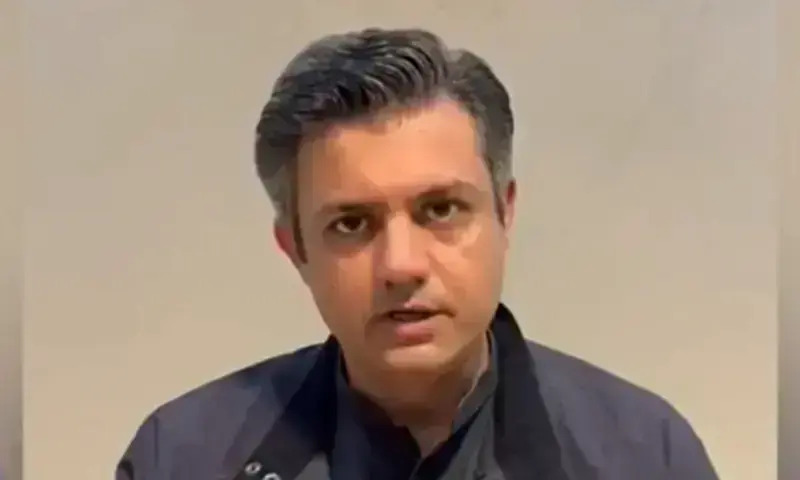
The Core Development An Anti-Terrorism [Court](/news/indian-court-hands-capital-punishment-blue-drum-murder-case) (ATC) in Lahore on Thursday granted a 12-day extension in the physical remand of prominent Pakistan Tehreek-e-Insaf (PTI) leader and former federal minister Hammad Azhar. The proceedings, conducted before ATC Judge Sardar Muhammad Akram, center on allegations stemming from the violent unrest of May 9, 2023, specifically the attack and ransacking of Jinnah House, which serves as the Lahore Corps Commander's residence.
The Sarwar Road police, who previously registered first information reports against senior PTI leadership and associated political workers, produced the accused before the court following the expiration of an earlier remand period. During the formal hearing, the investigating officer petitioned the bench for additional custody, arguing that sustained physical custody was essential to complete investigative procedures. Specifically, law enforcement officials cited the requirement to conduct specialized forensic examinations, including a polygraph test and photogrammetric analyses, to determine Azhar's exact role in coordinating or inciting the civil unrest following the arrest of former prime minister Imran Khan. After hearing arguments from both the state prosecution and defense counsel, Judge Akram acceded to the police request, instructing the authorities to re-present the former minister alongside an exhaustive case progress report on the conclusion of the 12-day window.
Commercial & Economic Implications While the proceedings remain formally rooted in anti-terrorism and criminal jurisprudence, prolonged high-profile political litigation carries tangible secondary consequences for Pakistan's macro-financial stability. Hammad Azhar previously served as federal minister for finance, revenue, and energy, rendering his prolonged detention symbolically significant to corporate and financial circles that monitor political risk indices.
For wholesale merchants, commercial importers, and domestic retail networks, ongoing political friction represents sustained institutional friction. Episodes of acute civil strife, such as those witnessed on May 9, directly disrupt supply chains, close major transport corridors between provincial hubs, and incur operational downtime for commercial centers. Prolonged judicial actions against senior opposition leaders prolong an environment of domestic political uncertainty. This dynamic exacerbates risk premiums across capital markets, hampers long-term domestic capital formation, and dampens consumer confidence across high-value retail and commercial sectors in urban centers like Lahore and Karachi.
Related Intelligence: Indian Court Hands Capital Punishment in High-Profile Blue Drum Murder Case
Stakeholder Perspectives & Market Reactions Legal representatives representing the defense have consistently maintained that the allegations against Azhar are politically motivated, asserting that consecutive remands without immediate trial resolution violate statutory due process standards. Defense advocates argued before the bench that physical custody had already yielded sufficient investigative access, rendering extended incarceration unnecessary.
Conversely, state prosecutors and law enforcement authorities maintain that due process requires rigorous forensic verification, particularly given the severity of attacks on state installations. Meanwhile, trade bodies, business leadership, and financial market participants observe the legal developments with caution. Industrial chambers in Punjab have repeatedly emphasized that economic recovery, currency stabilization, and foreign direct investment depend on a reduction in systemic political polarization. Persistent legal battles and sporadic street-level mobilization risks deter foreign commercial delegations and disrupt domestic retail operations, especially in metropolitan distribution hubs.
Forward Outlook & Key Watchpoints The immediate milestone centers on the conclusion of the 12-day remand window, when Sarwar Road police must submit findings from the polygraph and forensic investigations before the Lahore Anti-Terrorism Court. Observers will monitor whether state authorities seek judicial remand to transfer the former minister to prison, or attempt further physical detention through ancillary cases registered in connection with the May 9 demonstrations.
From a national perspective, the court's handling of top-tier opposition leadership will serve as a bellwether for wider political stability. Commercial enterprises and institutional investors will closely track whether ongoing legal maneuvers trigger localized civil protests, affect transport corridors, or prompt international commentary on governance metrics. Ensuring continuity in legislative focus and administrative governance will remain vital as Pakistan navigates stringent structural adjustments and sustained fiscal consolidation under ongoing multilateral financing frameworks.
Join Our Official WhatsApp Channel
Receive live commodity alerts, policy changes, and commercial intelligence directly on WhatsApp.