
Israeli Elections Test Fragile Diplomatic and Trade Ties Across Africa
Israel's upcoming election stands as a major inflection point for its continental strategy in Africa, testing bilateral trade, security agreements, and diplomatic ties strained by the Gaza conflict.
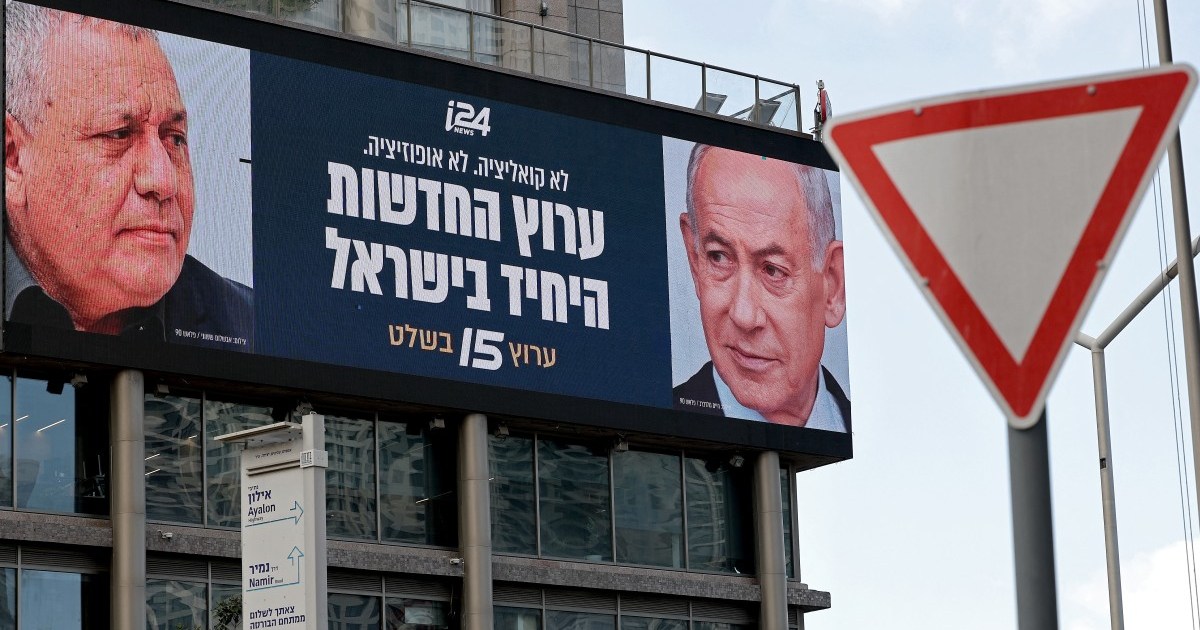
Geopolitical & Core Developments
The domestic political trajectory in Israel is drawing intense scrutiny across African capitals, stretching from Rabat to Pretoria. As voters head to the polls, the outcome is expected to define whether Israel can preserve its hard-won diplomatic inroads on the continent or face systemic retrenchment triggered by the war in Gaza. Over the last decade, Israeli foreign policy prioritized continental expansion under the doctrine of exchanging agricultural technology, intelligence architecture, and cyber defense systems for diplomatic backing at multilateral forums such as the United Nations.
However, the regional escalation following the October 7 events and subsequent military campaigns in Gaza has fractured this fragile consensus. The continent is increasingly divided into distinct camps. North African partners, notably Morocco, normalized relations under the United States-brokered Abraham Accords, securing defense deals and bilateral commerce. Conversely, sub-Saharan states led by South Africa have spearheaded international legal opposition, mounting genocide allegations at the International Court of Justice in The Hague. For African governments balancing domestic popular support for Palestinian sovereignty against practical security interests, the composition of the next administration in Tel Aviv will determine whether formal engagements remain politically viable.
Global Trade & Economic Ripples
The commercial implications of shifting Israeli-African relations extend into critical sectors, particularly security technology, critical minerals, and agriculture. Israeli firms have established significant footprints across East and West Africa, delivering drip irrigation, desalination systems, and surveillance infrastructure. A prolonged political impasse or the ascension of an uncompromising nationalist coalition could imperil pending contracts and public-private partnerships, especially in nations facing intense domestic protests.
Furthermore, the geopolitical friction risks complicating maritime logistics along the Red Sea corridor. Sustained hostilities involving regional actors have already disrupted shipping lanes off the Horn of Africa, raising container freight rates and insurance premiums for African agricultural exporters targeting European markets. Critical mineral extraction, including diamond processing and cobalt supply chains linking Southern Africa to Middle Eastern trading hubs, faces heightened due-diligence scrutiny. While direct trade volumes between Israel and sub-Saharan Africa remain modest in comparison to trade with Europe or China, Israeli enterprise serves as a pivotal channel for technical capital in food security projects across arid zones.
Related Intelligence: G20 Finance Chiefs Convene in Thailand Amid Surging Energy Shock and Iran Escalation
International Reactions & Diplomatic Stances
Reactions across the African Union (AU) reflect deep institutional polarization. The AU Commission has repeatedly condemned military actions affecting civilian infrastructure in Gaza, dampening Israel’s long-standing bid to regain official observer status within the 55-member bloc. Diplomatic envoys from Pretoria maintain that bilateral relations cannot proceed on an ordinary footing while regional destabilization continues, asserting that trade policy must align with international humanitarian law.
In contrast, administrations in Kenya, Rwanda, and Morocco have adopted more measured postures, emphasizing counterterrorism cooperation and private-sector investment. Rabat has preserved formal diplomatic channels despite sustained domestic demonstrations demanding the annulment of normalization agreements. Western allies, notably Washington and European Union members, are monitoring the political fallout closely, eager to prevent a diplomatic vacuum in Africa that strategic competitors, including China, Russia, and Iran, could exploit through expanded security guarantees and infrastructure financing.
Strategic Outlook & Future Scenarios
Moving forward, the durability of Israel's continental posture depends heavily on the policy priorities of the incoming government. Should an incoming administration double down on unilateral actions in Gaza and the West Bank, pressure will mount on moderate African leaders to freeze bilateral security memorandums and recalibrate ministerial-level visits. In such an environment, the Abraham Accords framework in Africa could face operational paralysis, reducing interactions to covert intelligence sharing.
Alternatively, a political reconfiguration in Tel Aviv signaling a return to multilateral negotiations and humanitarian de-escalation could provide political cover for African states to re-engage. Trade delegations, particularly in fintech and agritech sectors, are expected to delay high-profile commitments until the political mandate is established. Ultimately, the election will not only chart Israel's domestic trajectory but will also decide whether its decade-long diplomatic renaissance across Africa survives its greatest geopolitical stress test.
Join Our Official WhatsApp Channel
Receive live commodity alerts, policy changes, and commercial intelligence directly on WhatsApp.