
Security Forces Clear Strategic N-25 Highway, Rescuing 23 Hostages Near Kalat
Security forces eliminated five militants and rescued 23 hostages along the strategic N-25 highway near Kalat, dismantling an extortion and kidnapping operation targeting Pakistan's vital interprovincial freight corridor.
The Core Development
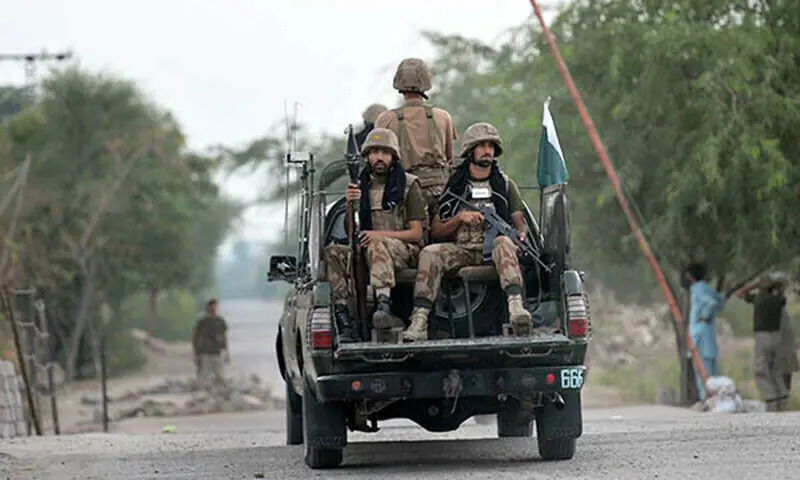
In a decisive tactical operation, Pakistani security forces neutralized five armed militants and secured the release of 23 abducted civilians near Kalat in Balochistan along the critical N-25 National Highway. The counter-terrorism engagement, confirmed by the Inter-Services Public Relations (ISPR), was initiated after intelligence confirmed that hostile elements had set up an illegal interdiction point between the night of September 18 and September 19.
According to the military's media wing, the operatives—identified as part of state-designated hostile proxies—attempted to disrupt vehicular movement by mounting an impromptu checkpoint designed for kidnappings for ransom, systemic extortion, and cargo vehicle hijacking. Security forces mobilized immediate interdiction units, engaging the combatants in an intense firefight. Five armed assailants were killed on site, allowing counter-terror teams to breach the militant hideout and liberate 23 hostages unharmed. The N-25 highway, formally recognized as the Pakistan Expressway, spans 813 kilometers and functions as the definitive ground line of communication connecting the Arabian Sea ports of Karachi to Quetta and onward to the Chaman border crossing.
Commercial & Economic Implications
From a macroeconomic and trade distribution perspective, the security of the N-25 corridor is vital to domestic commercial equilibrium and bilateral transit logistics. The highway handles thousands of heavy transport vehicles daily, carrying agricultural output, industrial inputs, fuels, and foreign transit freight destined for landlocked Central Asian markets and Afghanistan. Recurring threats along this artery inflict direct financial strain on wholesale networks and retail markets across Sindh and Balochistan.
When security risks escalate on the Kalat-Surab-Quetta stretch, commercial logistics providers face steep cost increases. Fleet operators routinely implement hazard surcharges, while insurers either increase freight transit premiums or revoke overland risk underwriting. Perishable produce, including high-value horticultural exports from Balochistan, suffers from transport curfews and nighttime travel halts, resulting in terminal spoilage that aggravates domestic food inflation. Concurrently, delays in returning empty containerized freight back to Karachi Port exacerbate demurrage fees, locking up corporate working capital and raising wholesale landed costs across key urban consumer centers.
Related Intelligence: Security Forces Neutralize Five Terrorists, Secure Hostages Along Kalat Highway
Stakeholder Perspectives & Market Reactions
Regional trade organizations and transport federations have expressed relief over the rapid tactical response while calling for enduring protection frameworks along transit routes. The All Pakistan Goods Transport Owners Association has continually pressed federal and provincial law enforcement authorities to institute dedicated highway escort corridors, fortified security posts, and coordinated aerial patrols on vulnerable mountainous choke points.
Chambers of commerce in Quetta, Chaman, and Karachi reiterated that trade predictability relies entirely on the unimpeded operation of national highways. Business leaders stressed that frequent illicit checkpoints and extortion schemes discourage commercial drivers, depress cross-border trade volumes, and impede domestic investment in logistics infrastructure. Legal and trade policy experts underscored that maintaining an ironclad security umbrella along primary freight routes is essential to maintaining investor sentiment and safeguarding multilateral trade commitments.
Forward Outlook & Key Watchpoints
In the aftermath of the Kalat operation, government and law enforcement agencies are anticipated to expand joint patrol operations and intelligence sweeps across the adjacent mountain ranges of central Balochistan. Key areas to monitor include the operationalization of integrated electronic surveillance systems, checkpoint fortification, and the deployment of quick-reaction paramilitary detachments along vulnerable segments of the N-25.
Commercial stakeholders will track freight tariff revisions, insurer route-risk assessments, and weekly cargo turnaround intervals between Karachi and Quetta. The sustained stabilization of the N-25 arterial corridor remains essential to controlling trade logistics overheads, securing wholesale distribution channels, and preserving uninterrupted economic mobility throughout Pakistan.
Join Our Official WhatsApp Channel
Receive live commodity alerts, policy changes, and commercial intelligence directly on WhatsApp.