
Pakistan Confronts Afghan Regime Over Kohat Terror Surge and Trade Disruption
Islamabad has issued a stern rebuke to Kabul following a deadly militant assault in Kohat, warning that unchecked cross-border terrorism directly imperils bilateral security and critical trade routes.
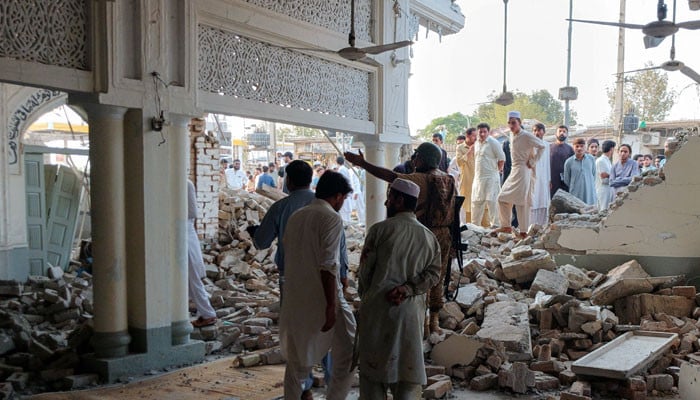
The Core Development
Pakistan has lodged an unequivocal diplomatic rebuke against the Afghan Taliban administration following a coordinated militant strike in the Kohat district of Khyber Pakhtunkhwa. The assault targeted security personnel and local enforcement infrastructure, resulting in fatal casualties and highlighting the persistent vulnerability of strategic transit corridors in the northwest. According to official diplomatic and security sources, the perpetrators operated with operational leeway traced directly back to safe havens inside Afghanistan.
Islamabad has formally demanded that Kabul dismantle command nodes affiliated with the outlawed Tehreek-e-Taliban Pakistan (TTP), officially designated by the state as Fitna al-Khawarij. The Ministry of Foreign Affairs underscored that the interim Afghan regime has consistently failed to honor its bilateral and international commitments to prevent its territory from being used as a staging ground for terrorism against Pakistan. The incident in Kohat represents a critical escalation point, as the district serves as an administrative and geographical bridge connecting Peshawar with the southern districts of Karak, Bannu, and Dera Ismail Khan via the National Highway 55 (Indus Highway).
Commercial & Economic Implications
Beyond immediate national security concerns, the resurgence of militant violence along primary KP arterials carries profound ramifications for Pakistan's trade logistics and distribution networks. Kohat occupies an indispensable position in domestic manufacturing; it houses one of the country’s premier cement industrial clusters, supplying building materials to domestic real estate markets and export points across the western border.
Escalating security threats along the N-55 corridor have triggered immediate operational friction. Fleet operators and commercial haulage syndicates have instituted risk premiums, driving freight tariffs upward by an estimated 8 to 12 percent across southern provincial routes. Lengthy military cordons, intelligence-based sweeps, and unscheduled transit halts have severely disrupted supply lead times for wholesale distributors dealing in FMCG products, agricultural produce, and construction raw materials. For retail markets in urban KP hubs, extended transit delays risk heightening inventory holding costs, which are inevitably passed on to consumers already burdened by high structural inflation.
Related Intelligence: Government-JI Talks Stalled as Islamabad Cites Security Threats
Stakeholder Perspectives & Market Reactions
Business syndicates across the region have expressed acute distress over the deteriorating security perimeter. Representatives from the Sarhad Chamber of Commerce and Industry (SCCI) and local transport unions have pointed out that repeated disruptions along transport corridors dampen inter-provincial trade and depress investor sentiment. Commercial operators emphasize that without predictable security guarantees on northern and western thoroughfares, capital flight toward safer central regions will accelerate.
From a diplomatic and strategic perspective, defense analysts observe that Islamabad’s patience with Kabul’s calculated inaction has reached an absolute threshold. Legal experts note that Pakistan retains inherent rights under international law to defend its territorial integrity against non-state actors operating extraterritorially. Commercial stakeholders, meanwhile, have urged the federal government to decouple strictly commercial transit clearances from geopolitical disputes wherever feasible, while recognizing that sustained economic stability cannot exist in an environment of chronic militant violence.
Forward Outlook & Key Watchpoints
In the coming weeks, market participants should anticipate heightened security enforcement and potential kinetic escalations under the renewed counter-terrorism framework, Operation Azm-e-Istehkam. Key watchpoints include potential tactical closures or tightened verification protocols at critical border crossings, including Torkham, Ghulam Khan, and Kharlachi, which could momentarily constrict Pakistan-Afghanistan transit trade flows.
Traders must also monitor the progress of upcoming regional security dialogues and bilateral engagements between Islamabad and Central Asian republics, which increasingly depend on stable transit across Khyber Pakhtunkhwa. If cross-border aggression persists, the federal government may impose further regulatory scrutiny on unregistered foreign nationals and commercial transit flows, requiring logistics firms to implement contingency routing and buffer inventory management to mitigate sudden corridor disruptions.
Join Our Official WhatsApp Channel
Receive live commodity alerts, policy changes, and commercial intelligence directly on WhatsApp.