
Moscow Drone Barrage Kills Two as Geopolitical Risks Escalate
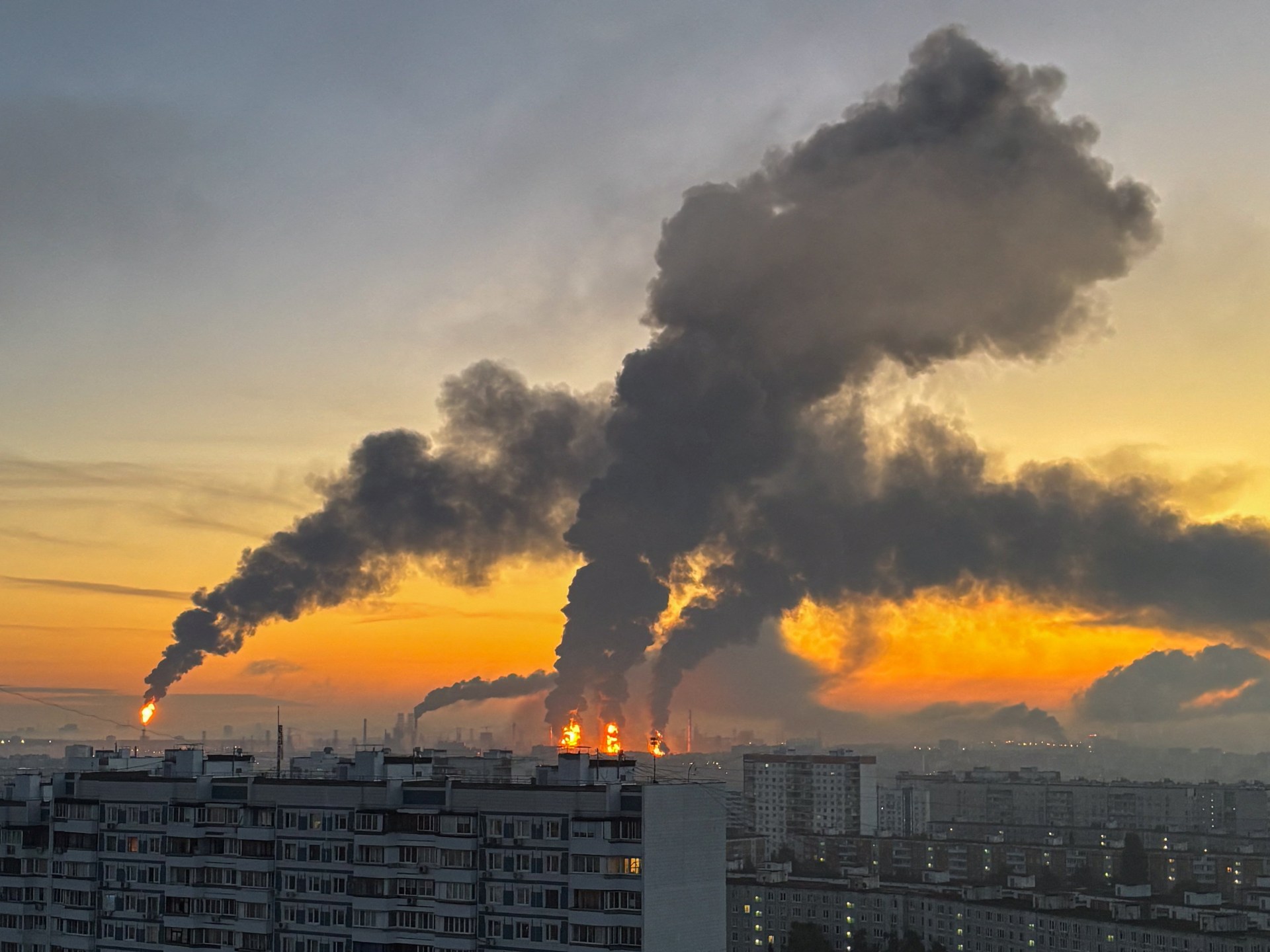
An unprecedented Ukrainian drone barrage struck the Moscow region, killing two and closing airspace. The escalation strains regional air defenses and injects fresh risk premiums into Eurasian logistics and energy markets.
Geopolitical & Core Developments
Russian authorities have reported an unprecedented wave of unmanned aerial vehicle incursions across the capital region and western border oblasts, resulting in at least two civilian fatalities and widespread disruption to civilian infrastructure. Moscow Mayor Sergei Sobyanin characterized the multi-tiered barrage as an attempt at systemic destabilization, asserting that air defense networks neutralized an unprecedented volume of inbound targets navigating toward strategic corridors and commercial districts. The timing of the assault coincides with regional administrative milestones, prompting the Kremlin to frame the offensive as calculated political interference orchestrated by Kyiv to undermine domestic governance.
For Ukraine, the escalating frequency and scale of deep-strike operations demonstrate an evolving doctrine of asymmetric warfare. Unable to match Russia's artillery superiority along the static frontline in the Donbas, Kyiv has systematically expanded long-range strike capabilities using domestically manufactured loitering munitions. By penetrating dense layered air defense shields around Moscow, the Ukrainian military command aims to challenge the perception of domestic insulation in the Russian heartland, disrupt command-and-control nodes, and force the reallocation of advanced air defense batteries away from front-line combat theaters.
Global Trade & Economic Ripples
The materialization of large-scale strikes on Russia's central administrative and industrial core reverberates directly through international commodity and logistics markets. Repeated grounding of commercial flights across Moscow's primary international aviation hubs—including Domodedovo, Sheremetyevo, and Vnukovo—has compounded supply chain delays for high-value air cargo traversing Eurasian corridors. Freight operators and commercial carriers are increasingly forced to factor in heightened insurance surcharges, rerouting costs, and operational downtime.
Concurrently, energy markets remain acutely sensitive to physical infrastructure vulnerabilities within the Russian interior. While direct hits on major export conduits were averted in this specific wave, the persistent proximity of drone vectors to refining hubs, power grids, and pipeline junctions maintains an elevated geopolitical risk premium across international benchmarks. Brent crude and regional refined product spreads registered immediate baseline sensitivity as traders weighed the potential for localized processing outages or retaliatory disruptions to maritime energy and fertilizer shipments traversing the Black Sea.
Related Intelligence: India Education Deficit Exposes Human Capital Risks Amid Supply Chain Push
International Reactions & Diplomatic Stances
The diplomatic fallout underscores a widening divide across multilateral institutions. In Moscow, the Russian Foreign Ministry denounced the incursion as an act of state-sponsored terrorism designed to intimidate civilian populations, warning that armed forces retain the sovereign right to respond with severe, disproportionate retaliatory measures. Russian delegates to multilateral bodies signaled intentions to raise the incident before the United Nations Security Council, framing the strikes as evidence of Western-enabled horizontal escalation.
Conversely, Ukrainian officials maintained that military operations targeting the territory of the Russian Federation constitute legitimate self-defense under Article 51 of the United Nations Charter, aiming exclusively at logistical and industrial nodes that sustain military aggression. Western capitals reiterated their established posture, maintaining standard caveats regarding the use of donated long-range Western missile systems while recognizing Kyiv's sovereign prerogative to conduct deep-reconnaissance and interdiction operations utilizing indigenous unmanned platforms.
Strategic Outlook & Future Scenarios
The tactical scale of the assault indicates that the war of attrition has entered a sustained phase of deep cross-border power projection. Moving forward, the strategic equilibrium will increasingly hinge on the cost economics of air defense. The wide cost disparity between mass-produced, low-cost loitering drones and high-end surface-to-air missile interceptors, such as Russia's Pantsir and S-400 systems, presents a long-term sustainability challenge for defensive perimeters around urban centers.
In the immediate term, defense analysts anticipate intensified Russian retaliatory missile barrages against Ukrainian energy generation facilities, dual-use industrial nodes, and transport interchanges. On the diplomatic front, the recurrent targeting of core sovereign centers diminishes the viability of near-term ceasefire negotiations, locking both belligerents into a cycle of punitive strikes. Global commercial operators must prepare for prolonged volatility across Eastern European transit corridors, fluctuating maritime security conditions, and persistent geopolitical friction in baseline commodity pricing.
Join Our Official WhatsApp Channel
Receive live commodity alerts, policy changes, and commercial intelligence directly on WhatsApp.