
US Secretary Marco Rubio Visits India to Deepen Strategic Trade Ties
US Secretary of State Marco Rubio has arrived in India to accelerate bilateral economic alignment, conducting high-level discussions in Mumbai alongside a pivotal tour of critical energy infrastructure.
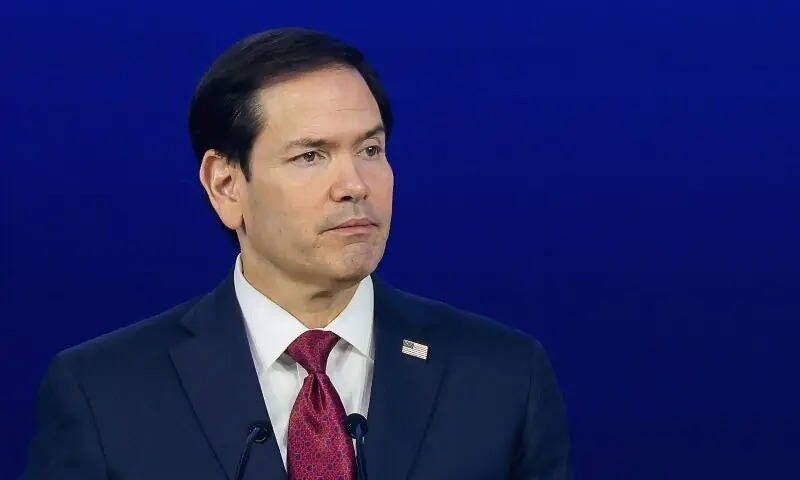
The Core Development
United States Secretary of State Marco Rubio has embarked on an official mission to India, marking his second diplomatic trip to the nation this year as Washington intensifies its strategic engagement across Asia. Arriving from high-level engagements in Uzbekistan—where the US delegation championed enhanced partnerships with Central Asian markets—Rubio's current tour deliberately bridges conventional diplomacy with industrial commerce.
The diplomatic itinerary shifts focus away from traditional protocol in New Delhi toward commercial hubs. In Mumbai, Rubio is slated to hold bilateral discussions with Indian External Affairs Minister Subrahmanyam Jaishankar alongside prominent domestic business executives. Departing from his previous visit in May, which incorporated meetings with Prime Minister Narendra Modi, this mission prioritizes commercial infrastructure. Key among Rubio's stops is Jamnagar in the western state of Gujarat, the strategic hub housing the sprawling petrochemical complex of Mukesh Ambani's Reliance Industries, which operates the world's largest crude oil refining facility. Rubio is also scheduled to commemorate victims of the 2008 Mumbai terror attacks, reflecting Washington's continued counter-terrorism alignment with India.
Commercial & Economic Implications
Rubio's concentration on private conglomerates and energy processing infrastructure signals a pronounced recalibration of US Indo-Pacific policy. For regional markets including Pakistan, shifts in Western trade patterns and supply-chain diversification exert distinct economic pressures. As Washington incentivizes industrial supply-chain realignments toward India, regional manufacturing and retail distribution networks must navigate shifting bilateral trade incentives.
The explicit spotlight on refining capacity in Jamnagar underscores global energy realignment. With global oil markets subject to tight margins and persistent currency fluctuations, reinforced commercial ties between American energy interests and Indian downstream processors threaten to create asymmetries in regional petroleum product trade. For Pakistan's domestic wholesale markets, any reconfiguration of regional hydrocarbon distribution pathways or freight insurance parameters could influence landed fuel costs, indirectly affecting transport overheads, retail logistics, and inflationary pressures on imported consumer goods.
Stakeholder Perspectives & Market Reactions
Regional corporate bodies and commercial observers are monitoring Washington's bilateral economic posturing with scrutiny. Financial market analysts view Rubio's meetings with Indian industrial leaders as an attempt to institutionalize supply-chain 'friend-shoring' outside the bounds of traditional bureaucratic negotiations. Corporate stakeholders in South Asia note that preferential access to American capital goods, technology transfers, and export waivers could further concentrate multinational manufacturing footprints in select hubs.
Conversely, geopolitical and trade strategists in Islamabad and regional capitals caution that expanding bilateral concessions between the US and India must not come at the expense of equitable regional connectivity. Pakistan's industrial and export associations emphasize that domestic enterprises must accelerate supply-chain competitiveness, productivity, and regional value-addition to prevent being sidelined by expanding preferential trading arrangements elsewhere in the subcontinent.
Forward Outlook & Key Watchpoints
In the near term, bilateral outcomes from the Mumbai dialogues between Rubio and Jaishankar will reveal whether new memorandums on critical industrial inputs, maritime logistics, or clean energy technology will immediately materialize. Close attention will remain centered on the specifics of any public-private agreements facilitated during the Jamnagar refinery visit, specifically regarding long-term crude sourcing agreements and refined petroleum export corridors.
Over the subsequent quarters, economic planners across South Asia must track whether Washington's targeted trade diplomacy translates into enhanced legislative preferences or targeted tariff restructuring. The degree to which private sector alignments impact global fuel margins and regional freight corridors will determine the financial fallout for neighboring consumer goods importers, wholesale distributors, and broader macroeconomic stability.
Join Our Official WhatsApp Channel
Receive live commodity alerts, policy changes, and commercial intelligence directly on WhatsApp.