
Morocco Cabinet Reshuffle Signals Continuity Amid North African Economic Pressures
Morocco's recalibrated cabinet underscores policy continuity under Prime Minister Aziz Akhannouch, balancing severe domestic drought challenges with expansive infrastructure and industrial ambitions amid regional volatility.
Geopolitical & Core Developments
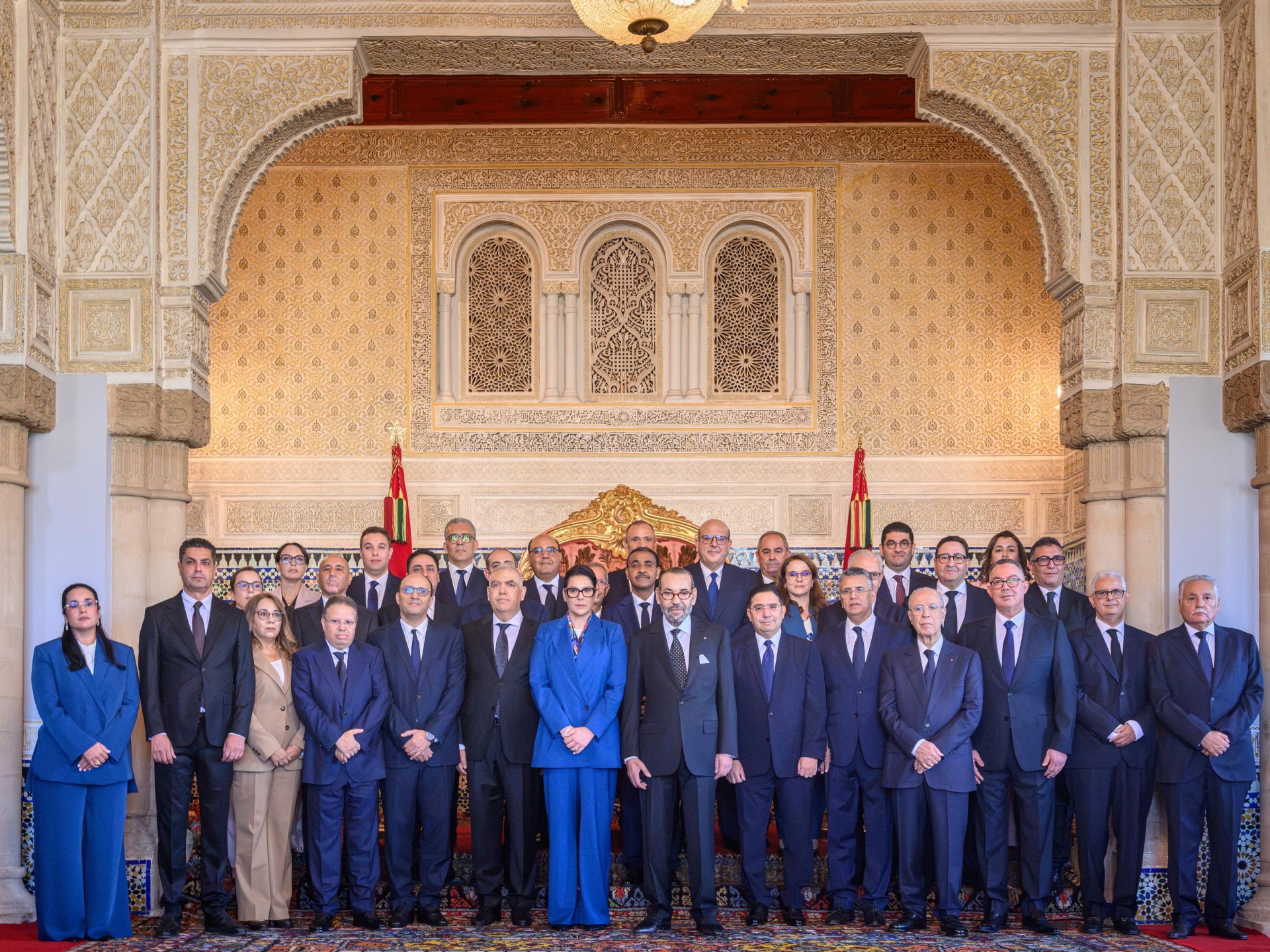
Morocco has finalized a significant government reshuffle, marking a strategic recommitment to continuity rather than structural divergence. Under the direction of King Mohammed VI and Prime Minister Aziz Akhannouch, the revised executive lineup retains key ministerial portfolios, particularly in finance, foreign affairs, and interior administration, while replacing mid-tier portfolios to accelerate administrative execution. The political consolidation comes during heightened geopolitical sensitivity across North Africa and the wider Mediterranean rim, where energy transitions, migration diplomacy, and sovereign stability remain precarious.
Rabat’s foreign policy architecture remains anchored on consolidating diplomatic recognition over Western Sahara and advancing its Atlantic African Initiative, which aims to provide landlocked Sahelian states access to maritime trade infrastructure. Concurrently, Morocco maintains an intricate diplomatic equilibrium, leveraging its normalized relations with Israel under the Abraham Accords alongside historical commitments to Arab and Palestinian statehood diplomacy. Domestically, the government faces pressing socio-economic expectations. Consecutive years of devastating drought have disrupted rural employment, while urban populations grapple with persistent living-cost pressures, prompting the monarchy and cabinet to prioritize institutional stability over partisan realignment.
Global Trade & Economic Ripples
The strategic posture of the Moroccan government carries direct implications for cross-Mediterranean commerce, maritime logistics, and strategic commodity markets. Morocco controls approximately 70 percent of global phosphate rock reserves, making state-owned OCP Group a linchpin in international agricultural supply chains and global food security. Cabinet stability ensures uninterrupted capital deployment into specialized fertilizer production, green ammonia, and battery-grade phosphate extraction.
Simultaneously, Morocco is aggressively executing extensive infrastructure spending ahead of co-hosting the 2030 FIFA World Cup alongside Spain and Portugal. This undertaking demands substantial external borrowing, public-private partnerships, and foreign direct investment in port logistics, high-speed rail, and desalinization infrastructure. On the industrial front, the port of Tanger Med continues to solidify its role as a premier transshipment hub connecting Europe, the Americas, and West Africa. Any operational or policy bottlenecks within Morocco’s trade apparatus directly affect European automotive and aerospace supply chains, which increasingly rely on Moroccan manufacturing clusters for nearshoring advantages.
Related Intelligence: Pakistan and Qatar Expand Bilateral Internal Security and Strategic Cooperation
International Reactions & Diplomatic Stances
International capital markets and multilateral institutions have reacted to the cabinet announcement with measured confidence. Credit rating agencies and European institutional investors view the retention of macroeconomic leadership as a guarantee that fiscal consolidation programs negotiated with the International Monetary Fund will remain on track. Brussels broadly welcomed the continuity, viewing Rabat as an indispensable security partner in maritime migration governance and renewable energy exports.
Market analysts note that Morocco's sovereign bond yields remained stable following the announcement, reflecting trust in central bank governance and macroeconomic predictability. European Union diplomats privately emphasize that internal administrative stability in Rabat is crucial for realizing the EU-Morocco Green Partnership, which envisions extensive solar and green hydrogen transit from North Africa into the European single market over the next decade.
Strategic Outlook & Future Scenarios
The medium-term trajectory of Morocco’s executive agenda will be dictated by its capacity to manage resource scarcity while sustaining elevated state-led capital expenditure. Severe water stress remains the primary structural vulnerability, threatening agricultural outputs and domestic food inflation. In response, accelerated commissioning of seawater desalinization facilities and water highway transfers between northern and central river basins will serve as critical performance benchmarks for the renewed administration.
Geopolitically, the enduring rupture in diplomatic relations with neighboring Algeria prevents regional economic integration across the Maghreb, forcing Rabat to deepen bilateral corridors with sub-Saharan Africa, the Gulf Cooperation Council, and European partners. Should domestic purchasing power erode further due to international commodity fluctuations, the government may face renewed domestic labor pressures. However, institutional continuity positions Rabat to maintain its sovereign investment commitments, manage regional volatility, and advance its positioning as a premier industrial and logistics platform bridging the Global South and European economies.
Join Our Official WhatsApp Channel
Receive live commodity alerts, policy changes, and commercial intelligence directly on WhatsApp.