
Historic El Nino Intensifies Threatening Global Food Supply Chains and Trade
An intensifying El Nino is driving unprecedented global climate shocks, threatening maritime shipping, agricultural production, and macroeconomic stability across multiple continents.
Geopolitical & Core Developments
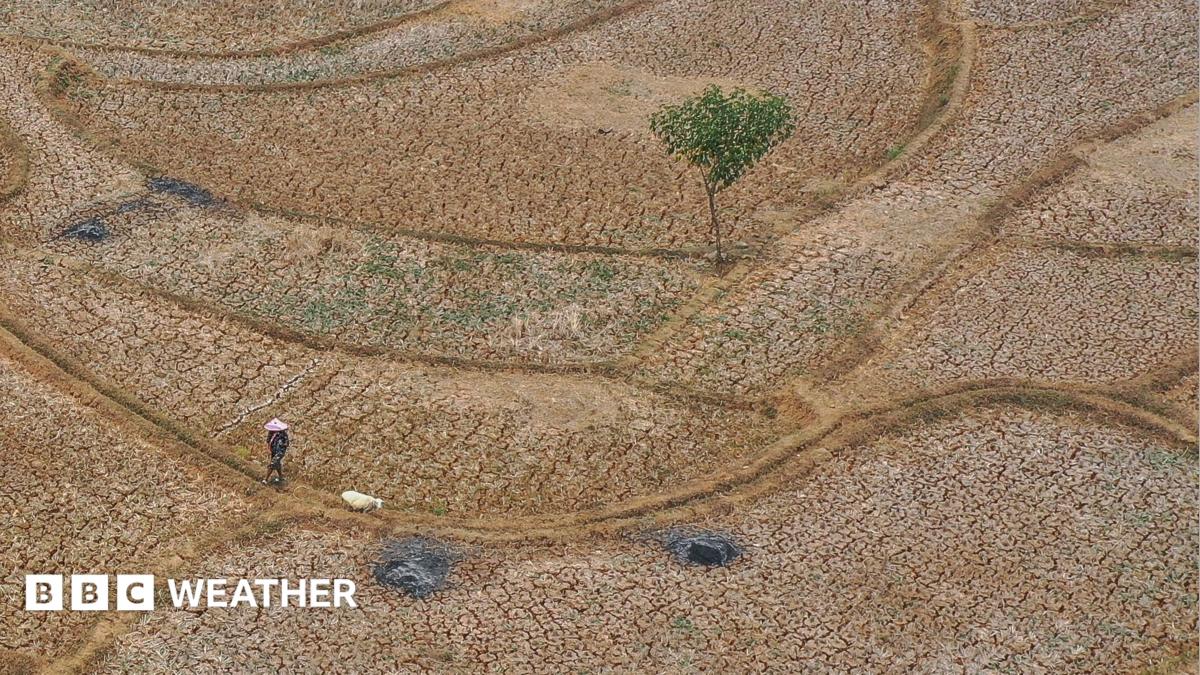
The current El Nino phenomenon has surged to historic intensity, reshaping meteorological patterns across the globe and confronting governments with acute geopolitical and environmental vulnerabilities. Characterized by anomalous warming in the central and eastern equatorial Pacific, the event has triggered severe deviations from long-term weather baselines. In Southeast Asia and Australasia, prolonged dry spells and heatwaves have depleted reservoir levels and heightened the risk of devastating forest fires. Concurrently, western South America and the Horn of Africa have experienced torrential rainfall and flash flooding, displacing vulnerable populations and eroding civil infrastructure.
State actors are increasingly treating the climatic cycle as a national security issue. In Latin America, emergency cabinets have mobilized disaster relief and allocated contingent fiscal reserves to reinforce flood defenses. Across the Pacific basin, water rationing protocols and energy conservation mandates have been deployed to mitigate secondary domestic shocks. The crisis has exposed structural deficits in civil preparedness, compounding pre-existing socio-economic friction across several emerging economies.
Global Trade & Economic Ripples
The commercial implications of the accelerating El Nino are reverberating through international commodity markets and global supply networks. Agricultural yields for essential staples—including rice, sugar, robusta coffee, and palm oil—face substantial downward revisions. Export bans and protective tariffs implemented by key producers to safeguard domestic reserves have contracted cross-border trade flows, triggering sharp price appreciation on major international exchanges.
Beyond agrarian sectors, transport logistics have suffered acute operational bottlenecks. Persistent drought conditions have reduced draft depths in the Panama Canal, forcing administrative authorities to restrict daily vessel transits and cargo weight limits. This reduction in throughput has disrupted global maritime trade routes, rerouting dry-bulk and container vessels around protracted Cape routes, inflating bunker fuel expenditures, and elevating spot freight rates. Furthermore, declining river discharge in hydropower-reliant regions has compelled state utilities to reactivate fossil-fuel power generation, driving spot demand for liquefied natural gas and thermal coal.
Related Intelligence: Trump Realigns with Netanyahu Raising Middle East Escalation and Energy Concerns
International Reactions & Diplomatic Stances
Multilateral bodies and financial institutions have issued urgent warnings concerning the macroeconomic spillovers of these climate shocks. The United Nations Food and Agriculture Organization (FAO) stated that the confluence of El Nino disruptions and geopolitical conflict poses an imminent risk of acute food insecurity for millions, particularly in import-dependent developing nations. The World Meteorological Organization (WMO) emphasized that the phenomenon is compounding underlying anthropomorphic warming trends, necessitating coordinated early-warning mechanisms.
Central banking authorities in impacted regions, notably across the Association of Southeast Asian Nations (ASEAN) and Latin America, have noted the inflationary pass-through effects of rising agricultural costs. Market analysts warn that central banks may be forced to prolong elevated interest rate regimes to counteract food and energy inflation, damping sovereign growth trajectories. International development banks have commenced emergency financing facilities to assist heavily impacted sovereign borrowers facing worsening terms of trade.
Strategic Outlook & Future Scenarios
The trajectory of this El Nino cycle suggests prolonged volatility extending through upcoming quarters. If ocean temperatures remain at record highs, secondary agricultural planting cycles will suffer further yield degradation, sustaining upward pressure on global food indices into the next harvest year. Such conditions elevate the likelihood of additional state-level export protectionism, fragmenting international agricultural markets further.
Diplomatically, the crisis will dominate agendas at impending multilateral climate dialogues and G20 finance ministerial sessions. Emerging economies are anticipated to accelerate demands for loss-and-damage climate financing and tariff concessions from developed economies. Sovereign balance sheets will face intensified stress testing as debt obligations collide with the imperatives of post-disaster reconstruction and emergency food procurement, establishing climate-driven fiscal risks as a primary determinant of sovereign credit stability.
Join Our Official WhatsApp Channel
Receive live commodity alerts, policy changes, and commercial intelligence directly on WhatsApp.