
Riyadh Airport Strike Escalates Gulf Crisis and Threatens Trade Routes
Fresh Houthi missile strikes on Riyadh international airport escalate the Yemen conflict, threatening regional stability and posing severe economic and supply chain risks for Pakistan.
The Core Development
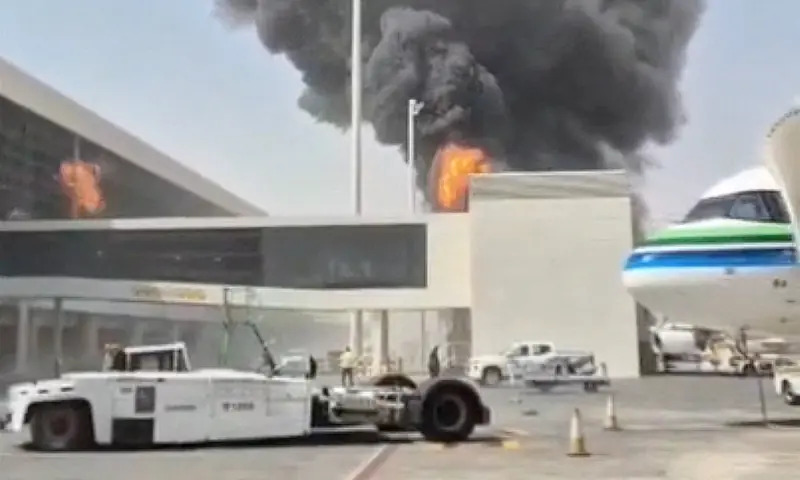
A fresh wave of Houthi strikes targeted Riyadh’s international airport on Sunday, plunging the region into a deeper security crisis just a day after a devastating assault killed at least a dozen people. Saturday's unprecedented attack forced emergency shutdowns of key aviation facilities, marking the deadliest assault on Saudi soil in over a decade. The escalation signifies a dangerous tactical shift in the protracted Yemen war, where Riyadh leads a coalition backing the internationally recognized government against the Houthi movement.
Yemeni military spokesman Yahya Saree announced that the group executed four separate operations within a 24-hour window, employing a combination of ballistic missiles, cruise missiles, and explosive-laden drones. The Houthis explicitly declared civilian transit hubs and international airports across the kingdom as active military targets, designating them as a theatre of operations. This aggressive posture has shattered relative lulls in aerial bombardments, raising alarms among international monitors, regional diplomats, and trade corridors dependent on Gulf airspace.
Commercial & Economic Implications
For Pakistan, the escalation in Riyadh carries profound economic reverberations. As a major importer of Gulf energy and a primary destination for Pakistani expatriate remittances, any prolonged disruption to Saudi Arabia's critical infrastructure poses direct threats to macroeconomic stability. The temporary closure of Riyadh's transit hubs threatens air cargo logistics, affecting high-value perishable exports, textiles, and manufactured goods destined for Middle Eastern markets.
Furthermore, heightened geopolitical risk premiums in the Arabian Peninsula immediately translate into volatility in global crude oil markets. Any sustained threat to Saudi oil and transport infrastructure risks driving up international fuel prices. For Pakistan, a net energy importer, surging global oil prices aggravate domestic inflation, widen the current account deficit, expand trade imbalances, and place immense upward pressure on retail transport and manufacturing costs.
Related Intelligence: Houthi Strikes on Riyadh Airport Escalates Middle East Energy Risks
Stakeholder Perspectives & Market Reactions
Business councils, trade associations, and logistics operators in Pakistan have expressed deep concern over the deteriorating security paradigm in the Gulf. Exporters relying on Gulf carriers for cargo space fear escalating freight rates and shipping delays. Industry bodies note that insurance underwriters are already reviewing risk premiums for commercial flights and maritime shipping lanes operating near the Red Sea and Gulf zones, potentially inflating transaction costs for regional trade.
Official circles in Islamabad are closely monitoring the developments, balancing diplomatic ties with Saudi Arabia against the imperative of protecting overseas Pakistani workers and safeguarding trade lanes. Financial analysts warn that sustained regional conflict could dampen investor sentiment across emerging markets, constraining foreign portfolio inflows and complicating debt servicing arrangements if global economic conditions tighten further.
Forward Outlook & Key Watchpoints
As Saudi air defense systems remain on maximum alert, the immediate outlook hinges on the coalition's military response and potential diplomatic interventions by regional mediators. Key indicators for policymakers and business leaders include the duration of flight suspensions at Riyadh airport, stability in international crude benchmarks, and any subsequent retaliatory actions in Yemen.
Failure to establish effective deterrence against cross-border drone and missile attacks could force structural adjustments in Gulf supply chains, prompting businesses to diversify trade routes. For Pakistan, navigating this volatile landscape requires robust contingency planning, strategic energy reserves management, and proactive trade diversification to insulate local markets from external geopolitical shocks.
Join Our Official WhatsApp Channel
Receive live commodity alerts, policy changes, and commercial intelligence directly on WhatsApp.