
Nepal Flash Floods Trigger Humanitarian Crisis and Disrupt Supply Chains
Severe flash floods in central Nepal have left five missing and disrupted crucial regional trade corridors, prompting emergency evacuations and highlighting Himalayan climate vulnerability.
Geopolitical & Core Developments
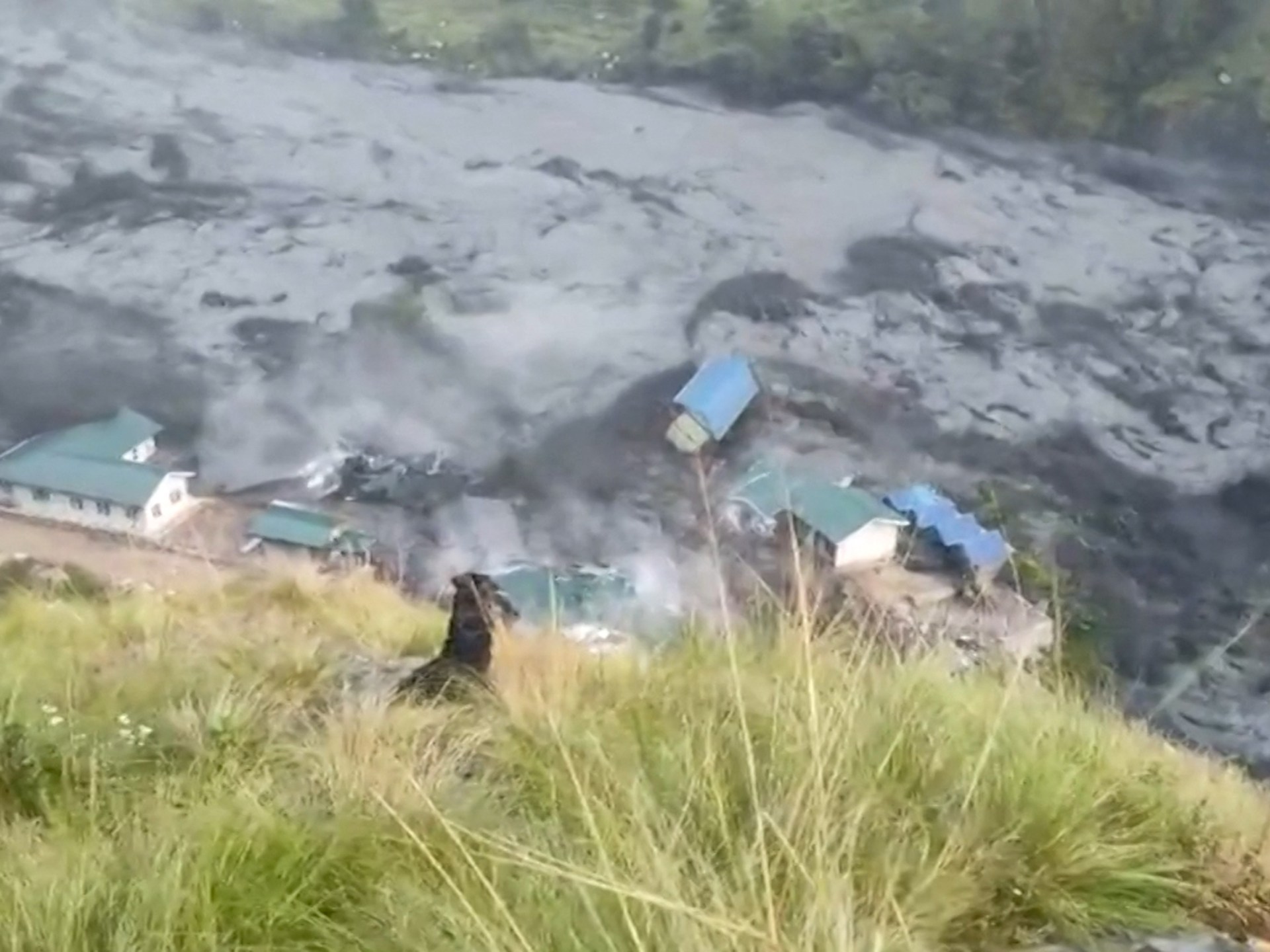
Catastrophic flash floods in central Nepal have triggered a major emergency response after swollen Himalayan rivers breached their banks, sweeping away residential structures and infrastructure. Local administrative authorities and emergency management services report that at least five individuals remain missing, while rescue operations are severely hampered by ongoing torrential rainfall and compromised communication networks. The disaster underscores the acute vulnerability of South Asian topography to extreme weather events driven by shifting monsoon patterns. Central government ministries in Kathmandu have mobilized national security forces and disaster relief units to assist affected districts, urging rural populations situated along river basins to immediately relocate to designated higher-ground shelters. The unfolding crisis places immediate pressure on domestic governance structures and highlights the compounding challenges of disaster preparedness in landlocked, mountainous developing nations.
Global Trade & Economic Ripples
Beyond the immediate humanitarian toll, the disruption in central Nepal carries notable implications for regional commerce and supply chain resilience. The affected zones encompass vital transportation arteries and cross-border trade routes connecting landlocked supply networks between South Asian markets. Logistics firms report temporary halts in cargo movement along primary arterial highways, creating bottlenecks for regional commodity transit, agricultural distribution, and light industrial inputs. While global commodity markets for oil and metals remain insulated from direct price shocks due to Nepal's modest direct share in global exports, the incident reinforces broader systemic anxieties regarding climate-induced vulnerabilities in global supply chains. Insurance underwriters and multinational logistics operators are closely monitoring Himalayan transport corridors, anticipating rising transit premiums and increased scrutiny over infrastructure climate-resilience standards across developing emerging markets.
Related Intelligence: Poland School Stabbings Spark National Security and Digital Extremism Debate
International Reactions & Diplomatic Stances
Regional neighbors and international multilateral bodies have expressed deep concern over the disaster, offering technical assistance and emergency relief support. The United Nations Office for the Coordination of Humanitarian Affairs (OCHA) has maintained active communication with Kathmandu to assess humanitarian needs and coordinate rapid-response logistics if requested. Neighboring diplomatic missions have offered condolences and signaled readiness to dispatch specialized search-and-rescue teams. Economic analysts note that recurrent climate shocks in the Hindu Kush Himalayan region are increasingly factoring into international development aid allocations, with multilateral lenders emphasizing the urgent need for climate-resilient infrastructure financing across South Asia to safeguard both human security and cross-border commercial stability.
Strategic Outlook & Future Scenarios
As emergency teams race against time to locate missing persons, the medium-term trajectory depends heavily on meteorological forecasts indicating whether the heavy monsoon pressure will persist across the central Himalayan range. Policymakers in Kathmandu face mounting pressure to accelerate long-term infrastructural adaptations, including early-warning sensor networks along glacial and river basins. Upcoming regional environmental summits are expected to spotlight the disproportionate climate burden borne by landlocked mountainous economies, potentially catalyzing new multilateral frameworks for climate adaptation financing. For international businesses operating in South Asia, this event serves as a stark reminder to integrate rigorous climate risk modeling into regional supply chain mapping and contingency planning.
Join Our Official WhatsApp Channel
Receive live commodity alerts, policy changes, and commercial intelligence directly on WhatsApp.