
Middle East Conflict and Sovereign Debt Overshadow IMF and World Bank Bangkok Summit
The US-Israel conflict with Iran and its severe inflationary repercussions take center stage at the IMF-World Bank annual meetings in Bangkok, as global financial leaders grapple with mounting sovereign debt and energy market instability.
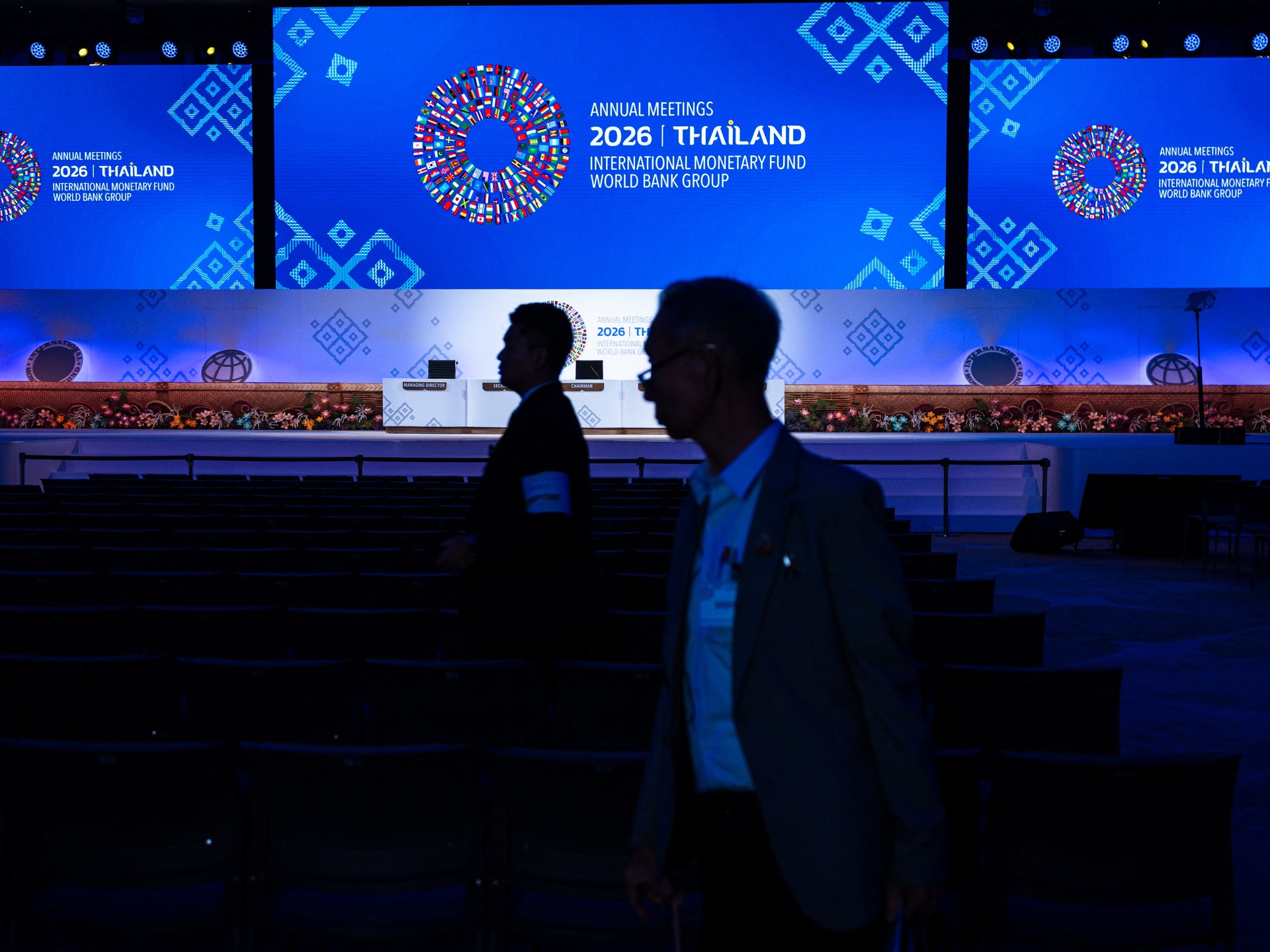
Geopolitical & Core Developments
The annual joint meetings of the International Monetary Fund and the World Bank in Bangkok have opened under the heavy shadow of escalating geopolitical conflict in the Middle East. The ongoing military confrontation involving the United States, Israel, and Iran has rapidly evolved from a regional security crisis into a systemic shock for the global economy. State actors and multilateral diplomats gathered in the Thai capital are confronting an environment where traditional fiscal stabilization frameworks are proving inadequate against the backdrop of open-ended hostilities. The strategic stakes have intensified dramatically following strikes on critical energy infrastructure and key transit corridors, halting diplomatic channels and replacing them with contingency postures. Chronologically, the escalation has outpaced the response capacity of international institutions, forcing finance ministers and central bank governors to pivot from routine developmental agendas toward immediate crisis management. The convergence of active warfare in the Persian Gulf and entrenched great-power competition has paralyzed consensus-building within the United Nations Security Council, leaving financial institutions as the primary arena for multilateral negotiation.
Global Trade & Economic Ripples
The commercial implications of the conflict extend far beyond the immediate theater of war, sending severe shockwaves through global commodity markets, shipping lanes, and currency exchanges. Crude oil benchmarks experienced immediate volatility as risk premiums surged, driven by fears of prolonged disruptions in the Strait of Hormuz, a vital artery for global petroleum shipments. This energy shock has directly reignited inflationary pressures across both advanced and emerging economies, complicating central bank monetary policy trajectories just as many were preparing to ease interest rates. International supply chains are experiencing secondary bottlenecks as maritime insurers reroute vessels around the African cape, driving up freight rates and lengthening delivery times for critical raw materials and manufactured goods. Concurrently, developing nations burdened by heavy foreign-currency debt are facing a punishing squeeze as capital flees to safe-haven assets like the US dollar, depreciating local currencies and severely restricting import capacities for food and fuel.
Related Intelligence: Riyadh Airport Strike Escalates Gulf Crisis and Threatens Trade Routes
International Reactions & Diplomatic Stances
Official responses from multilateral bodies and national governments reflect deep anxiety over the trajectory of the global economy. Leadership from the International Monetary Fund has warned of severe downside risks to global growth, urging member states to rebuild fiscal buffers while simultaneously preparing emergency liquidity facilities for affected economies. Representatives from the Global South have voiced sharp criticism during the Bangkok sessions, accusing major powers of exacerbating sovereign debt distress through prolonged geopolitical brinkmanship and inconsistent monetary tightening. Market analysts and rating agencies have issued synchronized downgrades for several frontier economies, noting that structural vulnerabilities are being dangerously compounded by the energy price shocks. Meanwhile, European Union officials have expressed profound concern over secondary inflationary spikes, calling for intensified diplomatic engagement to secure maritime trade routes, though concrete multilateral consensus remains elusive amid competing national interests.
Strategic Outlook & Future Scenarios
Looking ahead, the trajectory of the global economy will be inextricably bound to the duration and intensity of the Middle East conflict. Upcoming international summits face the daunting challenge of designing coordinated fiscal backstops that can insulate vulnerable emerging markets from sustained energy inflation and capital flight. Sanctions regimes are expected to tighten further, potentially targeting secondary trade channels and financial intermediaries facilitating energy exports from sanctioned jurisdictions, which could further fragment global payment systems. Geopolitical escalation points remain precariously acute, with analysts warning that any miscalculation in regional waterways could trigger a permanent structural shift in global trade architecture. Ultimately, the Bangkok meetings serve as a sobering watershed, highlighting the vulnerability of the post-war economic order to sudden military shocks and the urgent need for resilient multilateral frameworks.
Join Our Official WhatsApp Channel
Receive live commodity alerts, policy changes, and commercial intelligence directly on WhatsApp.