
Houthi Strikes on Riyadh Airport Escalates Middle East Energy Risks
Consecutive weekend drone strikes by Yemen's Houthi movement on Riyadh's international airport have killed 13 people, triggering immediate volatility in global energy markets and heightening geopolitical risk premiums across the Middle East.
Geopolitical & Core Developments
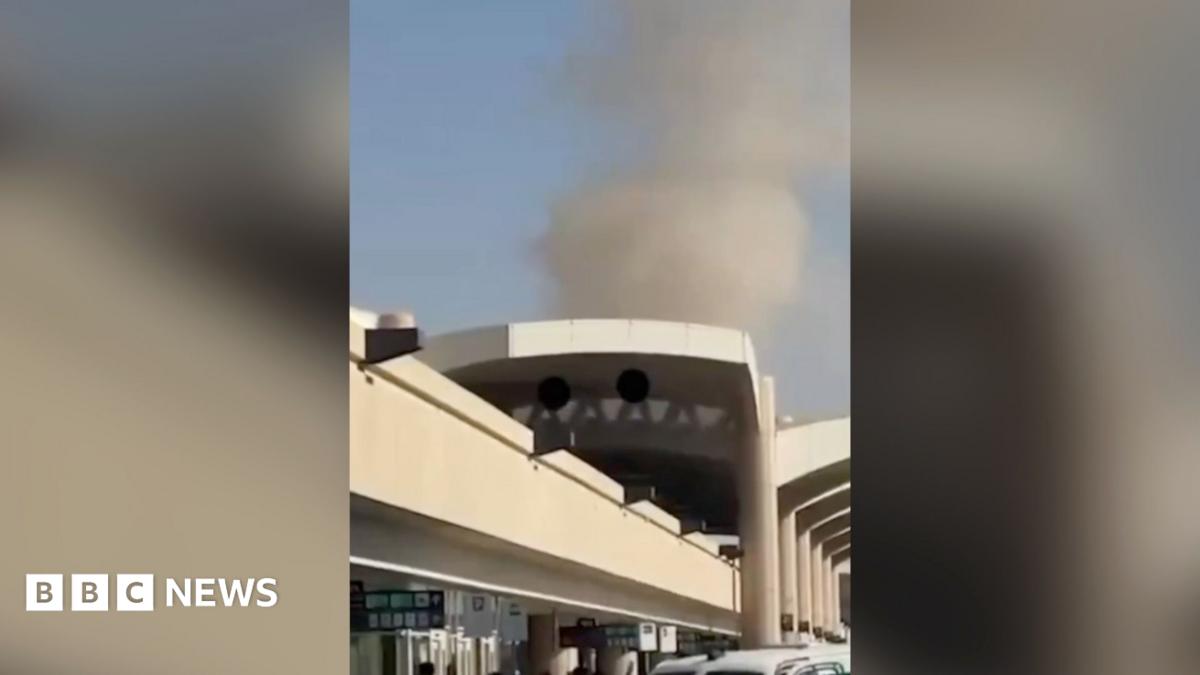
The security architecture of the Arabian Peninsula faced a severe test over the weekend as Yemen's Houthi movement launched consecutive, high-profile drone strikes targeting King Khalid International Airport in the Saudi capital of Riyadh. The coordinated attacks, which claimed at least 13 lives and caused significant infrastructural damage, mark a dangerous escalation in the prolonged regional conflict. Riyadh's air defense systems intercepted multiple incoming projectiles, yet the successful penetration of critical urban airspace underscores the persistent vulnerability of strategic transport and civil aviation hubs to asymmetric warfare tactics.
The strikes represent a tactical shift in the multi-year conflict, drawing immediate condemnation from regional allies and intelligence agencies monitoring cross-border threat proliferation. For the Saudi-led coalition, the breach of the capital's perimeter demands a robust military and diplomatic recalibration. The escalation disrupts months of fragile, behind-the-scenes de-escalation talks brokered by international intermediaries, threatening to unravel tentative ceasefires along the southern border and plunging the Kingdom back into an active posture of high-alert defense.
Global Trade & Economic Ripples
International commodity markets reacted swiftly to the security shock in Riyadh. Crude oil futures climbed during early Asian trading sessions, driven by heightened risk premiums and trader anxieties regarding the potential disruption of critical energy infrastructure and maritime supply chains. While King Khalid International Airport is primarily a civil and commercial aviation facility, its location within the administrative heart of the world's leading petroleum exporter serves as a psychological and operational bellwether for global investors.
Beyond immediate energy pricing, shipping logistics, cargo insurers, and multinational supply chain operators are rapidly reassessing the freight risk profile across the Gulf Cooperation Council region. Commercial carriers operating in Middle Eastern airspace face escalating insurance surcharges and potential routing adjustments. The ongoing hostilities threaten investor confidence in major economic diversification projects tied to Saudi Arabia's Vision 2030, reminding global markets that regional geopolitical instability remains a primary systemic threat to international trade flows and macroeconomic stability.
Related Intelligence: Riyadh Airport Attack Escalates Gulf Security Risks for Pakistani Trade
International Reactions & Diplomatic Stances
The international community responded with unified alarm. The United Nations Security Council convened an emergency session, with the Secretary-General strongly condemning the civilian casualties and warning against any actions that could ignite broader regional conflagrations. Western capitals issued stern rebukes of the Houthi leadership, reiterating their commitment to Saudi territorial integrity and the defense of critical civilian infrastructure.
Simultaneously, diplomatic channels across Washington, London, and regional capitals have intensified pressure for an immediate cessation of hostilities. Energy analysts and geopolitical risk consultancies note that Western nations find themselves walking a delicate diplomatic tightrope: maintaining military assistance and deterrence capabilities for Gulf partners while attempting to revive stalled political dialogues aimed at achieving a permanent, inclusive settlement in Yemen.
Strategic Outlook & Future Scenarios
Looking ahead, the Riyadh airport attacks threaten to redefine the strategic trajectory of the Arabian Peninsula. Anticipated retaliatory actions by the Saudi-led coalition could intensity coalition air operations over Yemen, potentially freezing humanitarian corridors and complicating ongoing regional normalization initiatives involving key regional stakeholders.
Market participants and policy planners must now price in a prolonged period of elevated geopolitical uncertainty. Upcoming multilateral summits, including scheduled OPEC+ ministerial meetings and G20 engagements, will likely be dominated by discussions surrounding maritime security, critical infrastructure protection, and the containment of asymmetric warfare. Without a swift and credible diplomatic breakthrough, the region faces a high-stakes cycle of escalation that could permanently alter energy market dynamics and trade routes for the foreseeable future.
Join Our Official WhatsApp Channel
Receive live commodity alerts, policy changes, and commercial intelligence directly on WhatsApp.