
Borneo Wildfires Force Critical Orangutan Relocation Amid Global Environmental Scrutiny
Emergency conservation efforts in Borneo have successfully relocated displaced orangutans following severe summer wildfires, heightening international scrutiny over commodity supply chain sustainability.
Geopolitical & Core Developments
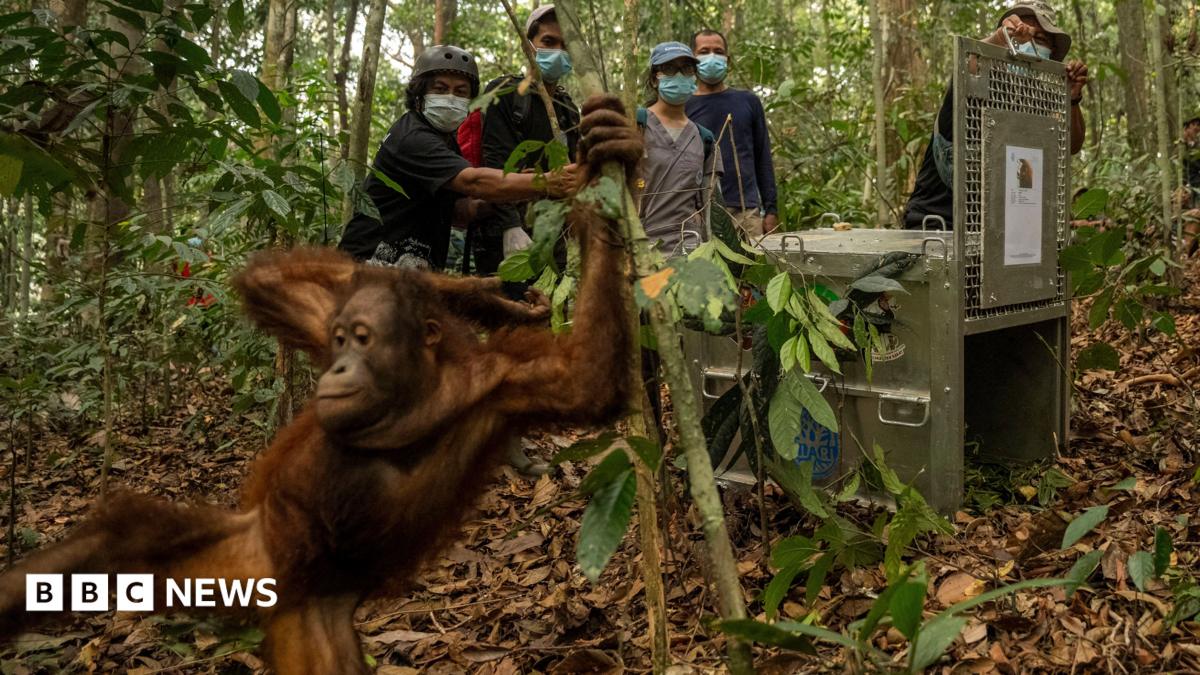
Intense seasonal wildfires across the dense rainforests of Indonesian Borneo have triggered a renewed humanitarian and environmental crisis, forcing wildlife authorities to execute emergency rescue and relocation operations. Over the summer months, surging temperatures and prolonged drought conditions accelerated the spread of uncontrolled blazes across carbon-rich peatlands. These fires directly threatened fragile lowland ecosystems that serve as the last remaining natural strongholds for critically endangered Bornean orangutans. Conservation teams, operating under severe logistical constraints and hazardous smoke conditions, intervened to extract displaced apes from encroaching flames and agricultural buffer zones. Following intensive veterinary rehabilitation, the rescued primates have now been successfully released back into secure, designated rainforest reserves far from human-wildlife conflict zones. This crisis underscores the compounding vulnerabilities faced by Southeast Asian governments attempting to balance rapid agrarian economic development with binding international biodiversity commitments.
Global Trade & Economic Ripples
Beyond the immediate ecological tragedy, the Borneo wildfires have intensified global scrutiny on international commodity supply chains, particularly concerning tropical agriculture and forestry exports. Indonesia remains the world's leading producer of palm oil and a major exporter of timber and pulp products, sectors frequently linked to land-clearing practices that exacerbate regional fire risks. International consumer goods conglomerates and institutional investors are increasingly applying rigorous environmental, social, and governance criteria to procurement strategies. Consequently, regulatory frameworks such as the European Union Deforestation Regulation are accelerating compliance shifts, forcing international traders to trace commodity origins strictly. Supply chain disruptions resulting from localized environmental degradation risk inflating commodity price volatility, increasing compliance overheads for multinational importers, and shifting trade flows toward jurisdictions with less stringent environmental oversight.
Related Intelligence: Khyber Pakhtunkhwa Constitutional Crisis Threatens National Economic Stability
International Reactions & Diplomatic Stances
Global environmental bodies and multilateral institutions have responded to the Borneo blazes with urgent calls for enhanced cross-border disaster management and stronger regulatory enforcement. The United Nations Environment Programme emphasized that recurrent tropical wildfires significantly accelerate global carbon emissions, undermining Paris Agreement targets and threatening planetary climate stability. Diplomatic channels between Jakarta and importing nations have increasingly focused on technical cooperation, financial incentives for sustainable land management, and satellite-based early warning systems. Meanwhile, international market analysts and trade associations have noted that continued environmental degradation in key production hubs could trigger consumer boycotts, sovereign credit rating downgrades for non-compliant producers, and retaliatory trade measures from Western economies demanding strict ecological accountability.
Strategic Outlook & Future Scenarios
Looking ahead, the trajectory of forest management and wildlife conservation in Southeast Asia will depend heavily on upcoming international climate summits and domestic policy enforcement. As climate change increases the frequency of severe El Nino weather patterns, regional governments face mounting pressure to upgrade firefighting infrastructure, penalize illegal land-clearing, and expand protected conservation corridors. Failure to mitigate these environmental risks could lead to severe trade sanctions, restricted market access for primary commodities, and long-term ecological collapse that irreversibly damages regional economic stability. Strategic foresight dictates that sustainable development, transparent supply chain auditing, and robust climate adaptation strategies are no longer optional corporate policies, but critical prerequisites for continued participation in global commerce.
Join Our Official WhatsApp Channel
Receive live commodity alerts, policy changes, and commercial intelligence directly on WhatsApp.