
Renewed Ethiopian Conflict Sparks Global Concerns Over Regional Stability
Renewed fighting in northern Ethiopia threatens to plunge the region back into a devastating blackout and humanitarian blockade, reviving memories of the deadly 2020-2022 civil war.
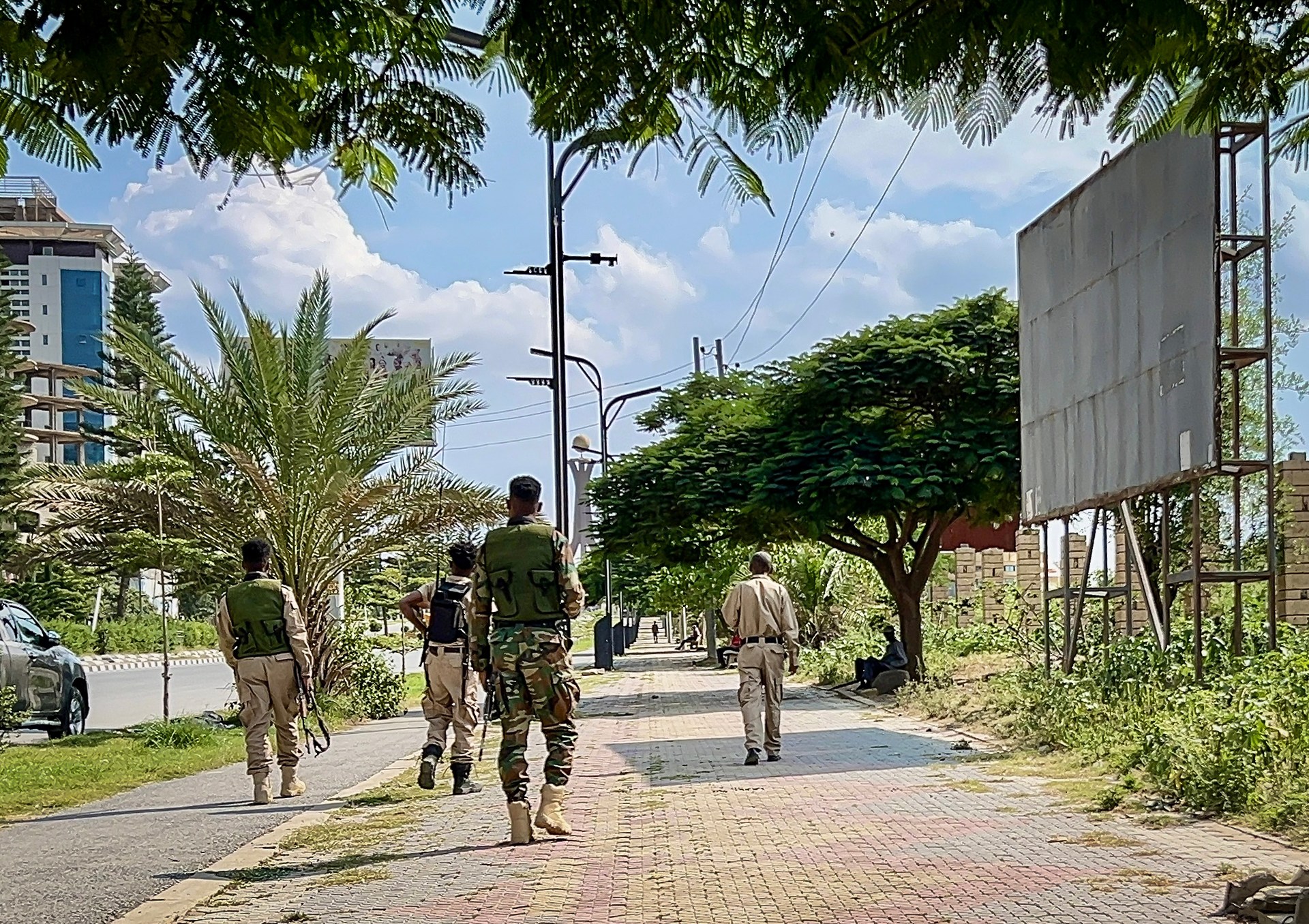
Geopolitical & Core Developments
Tensions in northern Ethiopia have escalated sharply, triggering widespread anxiety over a potential return to the catastrophic conditions witnessed during the 2020-2022 civil war. That devastating conflict, which formally ended with the Pretoria Cessation of Hostilities Agreement, resulted in an estimated 600,000 fatalities and left the Tigray region structurally shattered. Recent military maneuvers and localized skirmishes have disrupted fragile peace-building efforts, raising the specter of renewed state fragmentation and severe civil unrest. State actors and regional authorities are currently engaged in high-stakes diplomatic maneuvering, yet the breakdown of trust between federal forces and regional leadership threatens to ignite a wider conflagration across the Horn of Africa.
The strategic stakes for the central government in Addis Ababa center on maintaining territorial integrity and projecting state authority. However, persistent grievances regarding governance, resource allocation, and the implementation of peace accords remain unaddressed. Observers note that military escalation could severely undermine regional stability, drawing in external proxies and complicating ongoing counter-terrorism operations across East Africa. The risk of communications blackdowns and comprehensive transport blockades remains acute, threatening to isolate millions of civilians from humanitarian aid and independent news reporting.
Global Trade & Economic Ripples
While northern Ethiopia is not a primary driver of global commodity exports, the geopolitical instability radiating from the Horn of Africa carries significant economic implications for international trade corridors and regional commerce. Ethiopia serves as a vital anchor economy in East Africa, and prolonged domestic conflict directly impacts cross-border trade, infrastructure projects, and foreign direct investment. Supply chains originating from or transiting through the region face severe disruption, affecting agricultural exports such as coffee and sesame, which are critical to the nation's foreign exchange reserves.
Furthermore, heightened security risks in the Red Sea corridor and adjacent overland routes amplify insurance premiums and freight costs for international shipping companies. Global energy markets and commodity traders remain vigilant, as regional instability in East Africa intersects with broader geopolitical flashpoints in the Middle East and the Red Sea. Currency volatility, foreign exchange shortages, and inflationary pressures within Ethiopia are anticipated to worsen, compounding the economic hardship faced by commercial enterprises operating in the region and increasing sovereign debt default risks.
Related Intelligence: Pakistan and Turkey Weigh Regional Security Alignment with Riyadh
International Reactions & Diplomatic Stances
The international community has responded to the renewed hostilities with mounting alarm and urgent calls for immediate de-escalation. The United Nations, the African Union, and key Western governments have issued joint appeals urging all parties to respect international humanitarian law and immediately cease military operations. Multilateral bodies emphasize that a return to total conflict would erase the fragile developmental gains achieved since late 2022 and trigger a massive refugee crisis across neighboring states.
Market analysts and geopolitical risk consultancies warn that international donors may condition future financial assistance and debt relief on verifiable compliance with peace agreements. Diplomatic missions in Addis Ababa are closely monitoring the security situation, advising foreign nationals to exercise extreme caution while preparing contingency plans for potential evacuation routes and severe telecommunications disruptions.
Strategic Outlook & Future Scenarios
Looking ahead, the trajectory of the crisis depends heavily on the willingness of domestic political and military leaders to resume substantive negotiations under African Union auspices. If current hostilities escalate into a protracted war, the international community may consider targeted diplomatic sanctions or travel restrictions against key instigators to compel a return to the negotiating table.
Upcoming regional summits will likely focus on reinforcing the Pretoria agreement and establishing robust monitoring mechanisms to prevent ceasefire violations. However, without a comprehensive political settlement addressing the root causes of marginalization and regional autonomy, northern Ethiopia will remain a persistent vulnerability within the global geopolitical landscape, threatening both regional security and international commercial stability.
Join Our Official WhatsApp Channel
Receive live commodity alerts, policy changes, and commercial intelligence directly on WhatsApp.