
UNGA Focuses on Middle East Crisis as Regional Conflict Threatens Global Markets
As the UN General Assembly enters its fourth day, leaders from Lebanon, Iraq, and Pakistan address the escalating US-Israel conflict with Iran, triggering widespread anxiety across global commodity markets and international shipping corridors.
Geopolitical & Core Developments
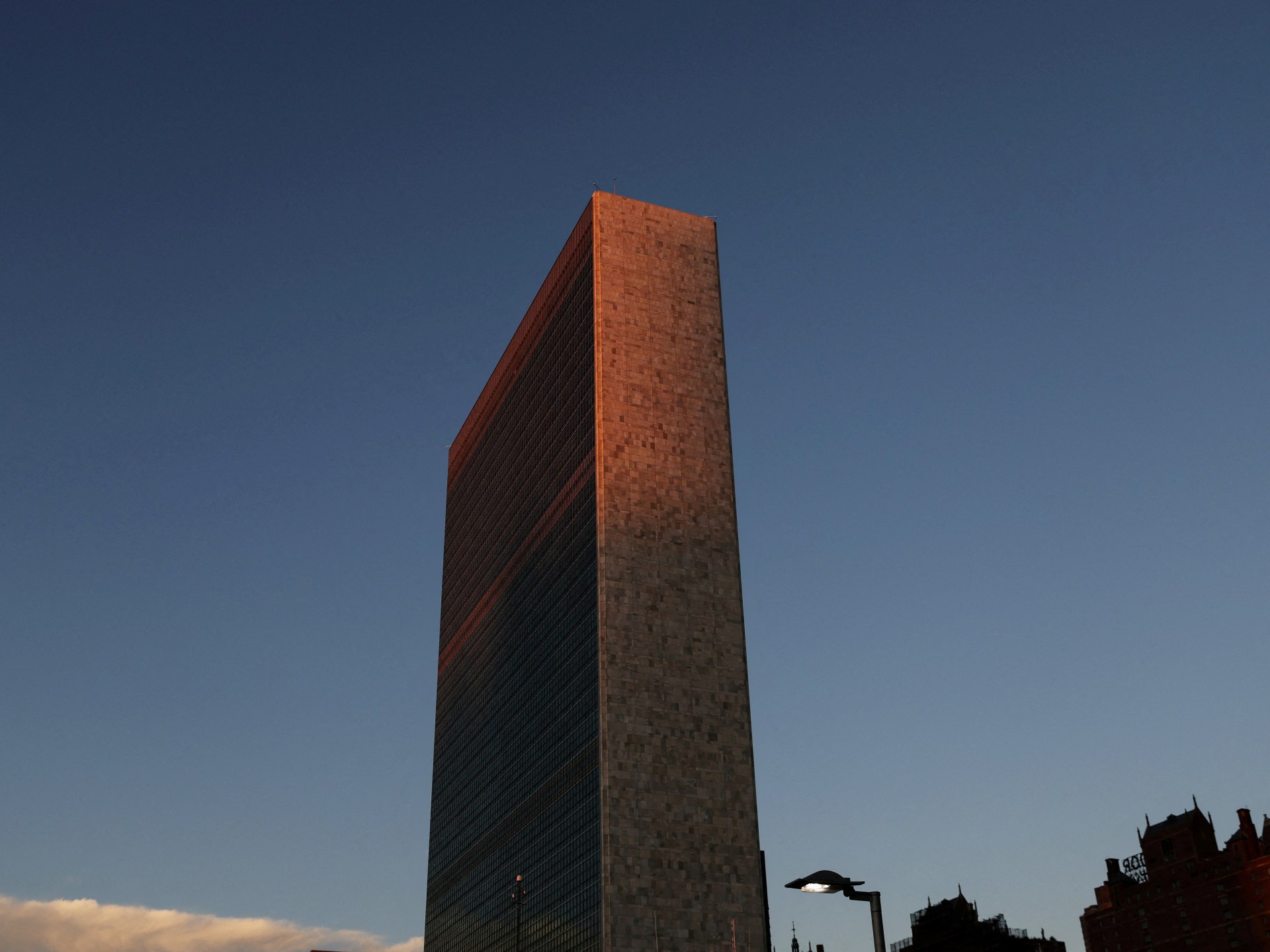
The Seventy-Ninth Session of the United Nations General Assembly has entered a critical fourth day, dominated entirely by the widening military confrontation involving the United States, Israel, and Iran. Delegations from across the globe have converged in New York under a dark cloud of regional instability, with scheduled addresses from the leaders of Lebanon, Iraq, and Pakistan taking center stage. The diplomatic discourse has shifted rapidly from routine multilateral cooperation to frantic crisis management as hostilities threaten to engulf the broader Middle East.
The strategic stakes reached a fever pitch following a series of retaliatory strikes and counter-strikes that have effectively dismantled conventional deterrence frameworks. State actors in the region are finding themselves increasingly compelled to take definitive diplomatic postures, testing traditional alliances and creating dangerous fault lines within the UN Security Council. Analysts note that the current trajectory reflects a complete breakdown of preventive diplomacy, leaving regional capitals exposed to asymmetric warfare, cyber attacks, and proxy escalations that could persist indefinitely without immediate international intervention.
Global Trade & Economic Ripples
The geopolitical shockwaves generated by the conflict are reverberating violently through global commodity markets, most notably in the energy sector. Brent crude futures experienced sharp upward corrections as traders factored in the growing probability of prolonged disruptions to the Strait of Hormuz, a crucial maritime choke point through which approximately twenty percent of the world's petroleum passes. Any sustained interdiction in these vital shipping lanes threatens to trigger an immediate energy shock, pushing global fuel prices higher and exacerbating inflationary pressures across both developed and developing economies.
Beyond crude oil, agricultural commodities and industrial metals are experiencing heightened volatility. International shipping lines are proactively rerouting vessels around the Cape of Good Hope to avoid potential missile and drone threats in the Red Sea and the Persian Gulf. This necessary detour adds thousands of nautical miles and weeks of transit time to Asia-Europe trade routes, inflating freight rates, straining container availability, and creating severe bottlenecks in global supply chains. Central banks worldwide are monitoring these developments with deep concern, as renewed supply-side inflation complicates monetary policy easing cycles.
Related Intelligence: Iran Proposes Seven-Day Plan to Reopen Strait of Hormuz Amid Global Energy Pressures
International Reactions & Diplomatic Stances
The United Nations leadership has issued repeated, urgent appeals for an immediate cessation of hostilities, warning that a full-scale regional war would carry catastrophic humanitarian and economic consequences. However, deep divisions among the P5 members of the Security Council continue to paralyze decisive collective action. Western capitals have condemned Iranian regional posture while attempting to calibrate their support for Israeli military operations to prevent a total conflagration.
Meanwhile, emerging economies and major energy importers, including Asian powerhouses heavily reliant on Middle Eastern hydrocarbons, have expressed profound alarm. Market analysts from leading financial institutions point out that risk premiums across sovereign debt and equity markets in the Middle East have surged to multi-year highs. Investors are aggressively hedging against systemic risk, reallocating capital into safe-haven assets such as the US dollar, gold, and short-term government bonds as the visibility of corporate earnings across trade-dependent sectors diminishes.
Strategic Outlook & Future Scenarios
Looking ahead, the immediate trajectory of the crisis hinges on whether backchannel diplomatic initiatives can establish tentative ceasefires in Lebanon and Gaza before the conflict metastasizes further. Upcoming emergency ministerial meetings on the sidelines of the UNGA are expected to focus on drafting binding resolutions for humanitarian corridors and maritime security guarantees. However, skepticism remains pervasive among geopolitical risk consultants regarding the efficacy of such measures given the entrenched positions of the belligerent parties.
Sanctions regimes are anticipated to tighten significantly, with Western nations preparing expansive secondary sanctions targeting financial networks and petrochemical exports linked to Iran's regional proxies. For global businesses, the imperative moving forward is robust supply chain diversification and contingency planning against sudden energy price spikes and trade route closures. The unfolding situation at the United Nations underscores a fragile new global order where geopolitical friction directly dictates macroeconomic stability and commercial viability across international markets.
Join Our Official WhatsApp Channel
Receive live commodity alerts, policy changes, and commercial intelligence directly on WhatsApp.