
Brazil's High-Stakes Presidential Clash Threatens Global Commodity Markets
Brazil's polarized electoral showdown between incumbent Lula da Silva and right-wing rival Flávio Bolsonaro threatens to reshape global trade, environmental policy, and commodity pricing.
Geopolitical & Core Developments
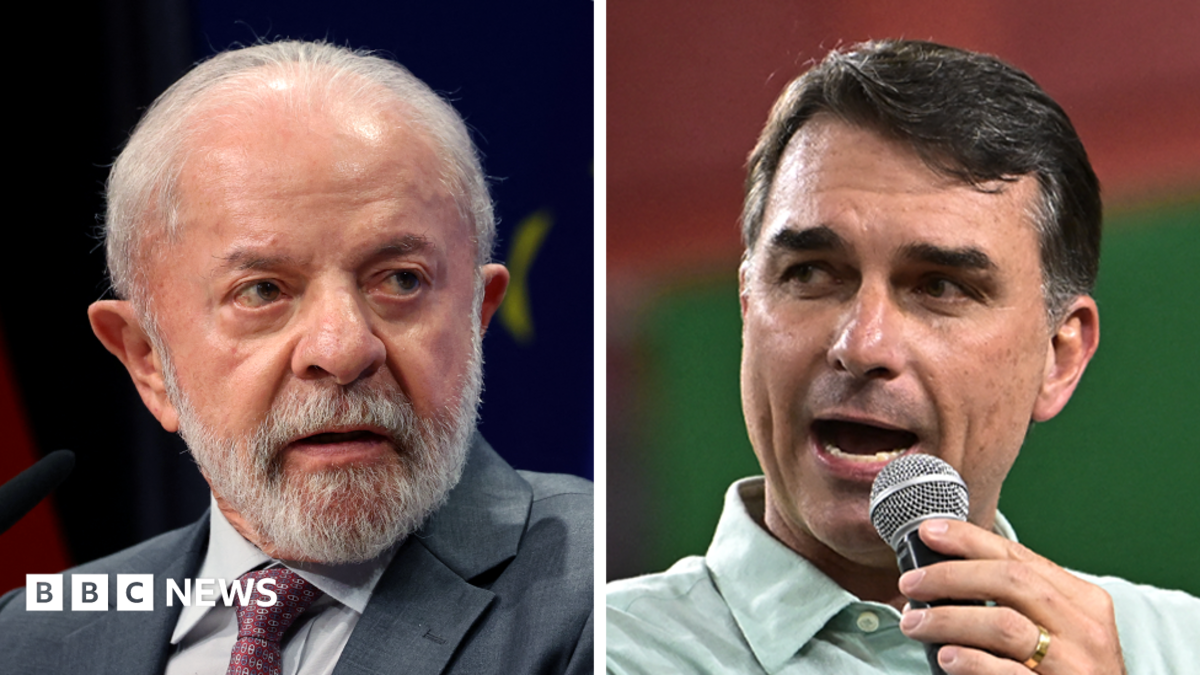
Brazil is bracing for a momentous political watershed as the country prepares for a fiercely contested presidential election pitting incumbent left-wing leader Luiz Inácio Lula da Silva against right-wing challenger Flávio Bolsonaro. Recent opinion polls indicate an intensely polarized electorate, setting the stage for a dramatic political showdown that will determine the trajectory of Latin America's largest economy. The electoral landscape is defined by deep ideological divides, pitting Lula's traditional coalition of labor unions, social movements, and center-left parties against the nationalist, conservative bedrock championed by the Bolsonaro family.
The geopolitical stakes extend far beyond Brasília. As a BRICS founding member and a diplomatic heavyweight in the Global South, Brazil's leadership direction influences multilateral climate negotiations, trade pacts, and regional security architectures. The campaign has already catalyzed intense domestic mobilization, raising concerns over institutional stability and the resilience of Brazilian democratic norms. State actors across the Americas and Europe are closely monitoring the administrative machinery and electoral transparency measures as the campaign enters its decisive phase.
Global Trade & Economic Ripples
For international commerce and global commodity markets, the Brazilian election represents a critical stress point. Brazil stands as a dominant superpower in global agriculture, serving as the world's leading exporter of soybeans, coffee, beef, and iron ore. Any shift in executive leadership risks altering domestic tax structures, export tariffs, and environmental compliance frameworks that directly govern these vast supply chains. A victory for the incumbent administration typically signals a continuation of state-supported agricultural credit alongside stricter environmental oversight in the Amazon basin, which heavily impacts European Union trade compliance under recent deforestation regulations.
Conversely, a triumph for the right-wing opposition under Flávio Bolsonaro would likely herald an aggressive deregulation push, privatization of state-owned enterprises, and a loosening of environmental enforcement. While such policies could provide short-term production windfalls for agribusiness conglomerates and reduce operational hurdles, they threaten to provoke retaliatory carbon tariffs and trade barriers from Western trading partners. Furthermore, foreign exchange markets are pricing in heightened currency volatility for the Brazilian Real, directly impacting capital flows, hedging strategies for multinational corporations, and international pricing benchmarks for soft commodities and critical minerals.
Related Intelligence: Kashmir Resolution Essential for Regional Stability and Trade Growth: Rana Qasim Noon
International Reactions & Diplomatic Stances
Multilateral institutions and international financial centers have adopted a posture of watchful diplomacy. Officials at the United Nations and the World Trade Organization are emphasizing the necessity of transparent, peaceful electoral proceedings, recognizing Brazil's indispensable role in global food security and multilateral climate agreements. Major investment banks and sovereign wealth funds have issued advisory notes cautioning clients to prepare for portfolio reallocation, citing potential policy reversals depending on the victor.
European capitals are particularly focused on the environmental dimension of the ballot, signaling that future trade ratification processes—such as the long-delayed EU-Mercosur trade agreement—remain inextricably linked to Brazil's conservation commitments and governance standards. Meanwhile, emerging market creditors are analyzing debt sustainability metrics, fiscal deficit projections, and central bank autonomy, which could face renewed political pressure depending on legislative alignments post-election.
Strategic Outlook & Future Scenarios
As the electoral calendar progresses toward the final ballot, market participants and foreign ministries are modeling multiple strategic scenarios. A narrow victory for either candidate will likely produce a divided legislature, potentially resulting in legislative gridlock that could constrain sweeping policy overhauls but reassure markets against radical reforms. Conversely, a decisive mandate for either the left or the right could trigger rapid regulatory transformations in energy policy, land-use laws, and foreign investment treaties.
Upcoming international summits, including G20 ministerial meetings and COP climate conferences, will serve as crucial barometers for how the incoming administration intends to position Brazil on the global stage. For international traders, shipping operators, and multinational investors, navigating this period requires agile risk management strategies, robust currency hedging, and continuous evaluation of shifting regulatory landscapes across South America's economic anchor.
Join Our Official WhatsApp Channel
Receive live commodity alerts, policy changes, and commercial intelligence directly on WhatsApp.