
Middle East Escalation Threatens Global Supply Chains as Trump Warns Iran
Renewed conflict in Yemen and stern warnings from Washington against Tehran heighten geopolitical risks, triggering immediate anxiety across global commodity and energy markets.
Geopolitical & Core Developments
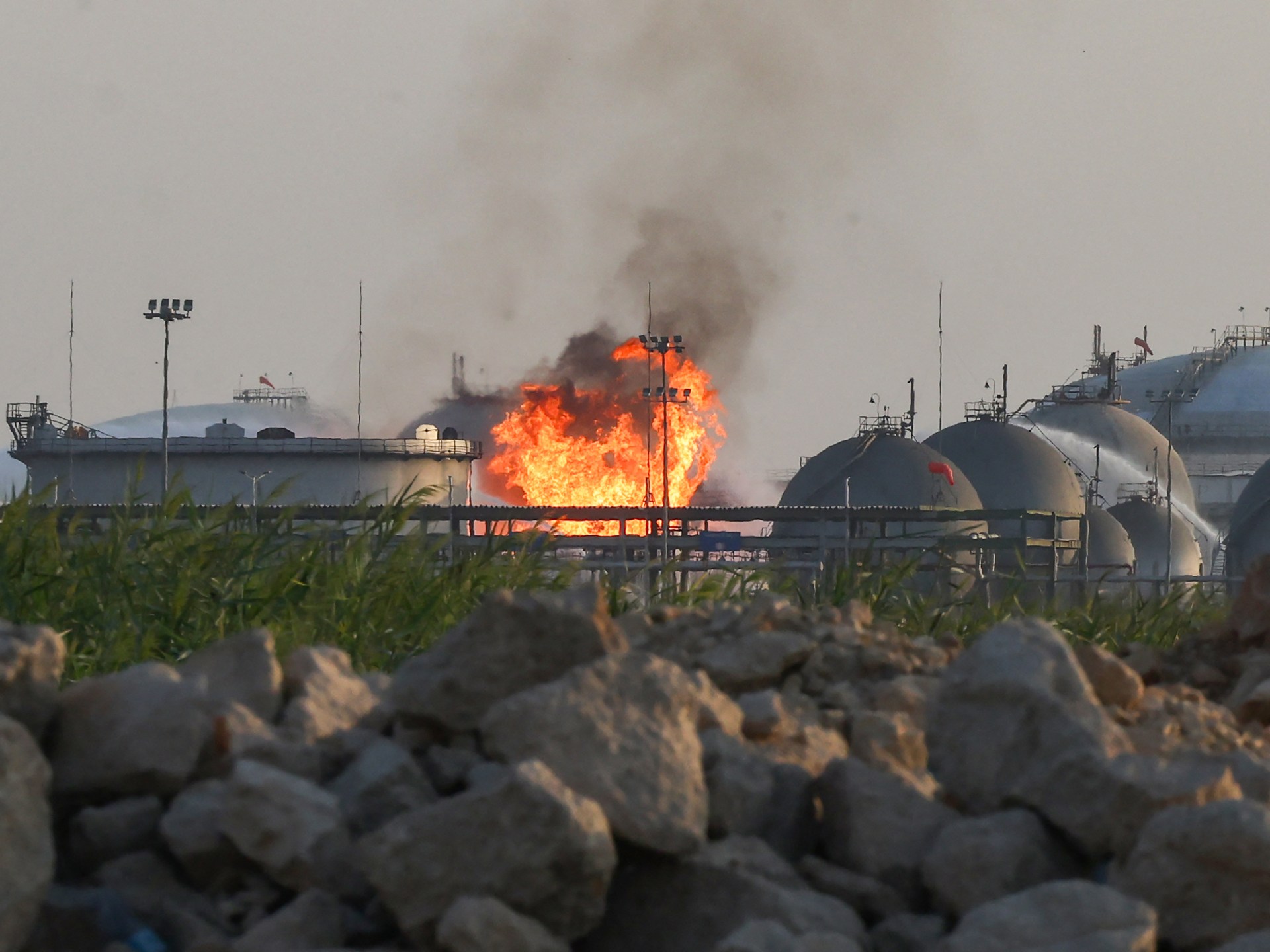
The complex geopolitical landscape of the Middle East has entered a highly volatile phase following intense military engagements in Yemen and a sharp escalation in rhetoric from Washington. Yemeni forces conducted strategic operations around the capital of Sanaa, leading to a surge in civilian displacement and compounding an already devastating humanitarian crisis. At the same time, international attention has pivoted sharply toward Tehran as incoming United States leadership signals a hardline stance. President-elect Donald Trump publicly warned Iranian authorities of severe consequences, stating that a definitive decision regarding Washington's policy trajectory toward the Islamic Republic is imminent. This convergence of active regional kinetic activity and high-stakes diplomatic brinkmanship underscores a profound deterioration in regional security architecture. State actors across the Gulf are urgently reassessing their security postures, while intelligence agencies monitor proxy networks for potential retaliatory actions targeting critical infrastructure and international shipping corridors.
Global Trade & Economic Ripples
The compounding crises in Yemen and the escalating standoff between the United States and Iran have sent immediate shockwaves through global trade networks and commodity markets. Energy markets remain acutely sensitive to disruptions in the Bab el-Mandeb strait and the broader Red Sea corridor, a vital maritime artery handling a significant share of global container shipping and energy transit. Any sustained military escalation threatens to force further maritime rerouting around the Cape of Good Hope, inflating shipping insurance premiums, extending transit times, and driving up freight rates globally. Crude oil futures experienced upward pressure as traders priced in the growing risk of supply interruptions from the Persian Gulf. Furthermore, agricultural commodities and industrial raw materials transported via these critical maritime routes face potential delivery delays, threatening to reignite inflationary pressures across major importing economies in Europe and Asia.
Related Intelligence: Brazil Election Nears as Tight Polls Stir Global Market Anxiety
International Reactions & Diplomatic Stances
Multilateral institutions and international capitals have responded with mounting alarm to the unfolding events. United Nations humanitarian agencies expressed deep concern over the escalating civilian toll in Yemen, calling for immediate, unhindered access for relief supplies and a cessation of hostilities. European Union foreign policy representatives urged maximum restraint from all parties, emphasizing that diplomatic channels must remain open to prevent a region-wide conflagration. Meanwhile, market analysts and geopolitical risk consultancies have upgraded their threat assessments for the Middle East, advising institutional investors to hedge against potential energy shocks and currency fluctuations. Major Asian energy importers, heavily reliant on Middle Eastern crude and liquefied natural gas, have initiated emergency consultations to secure alternative supply pathways in the event of a prolonged maritime blockade or direct regional conflict.
Strategic Outlook & Future Scenarios
Looking ahead, the trajectory of the crisis hinges heavily on the formal inauguration of the incoming US administration and the specific nature of the punitive measures or diplomatic ultimatums directed at Tehran. Analysts anticipate a multi-pronged containment strategy combining tighter financial sanctions, increased naval patrols in regional waters, and heightened diplomatic pressure on Iran's regional allies. Should Tehran respond to increased pressure with asymmetric maritime disruptions or proxy attacks on energy infrastructure, global markets could experience severe price spikes, prompting emergency interventions by the International Energy Agency. Conversely, a managed de-escalation remains possible if backchannel diplomacy succeeds in establishing strict rules of engagement, though the margin for error among military commanders on the ground narrows by the day.
Join Our Official WhatsApp Channel
Receive live commodity alerts, policy changes, and commercial intelligence directly on WhatsApp.