
Qatar and France Bolster Defense Partnership at Biennial Milipol Security Exhibition
Qatar and France signed a three-year security action plan at the Milipol exhibition in Doha, deepening bilateral defense ties to protect critical energy infrastructure and regional trade corridors.
Geopolitical & Core Developments
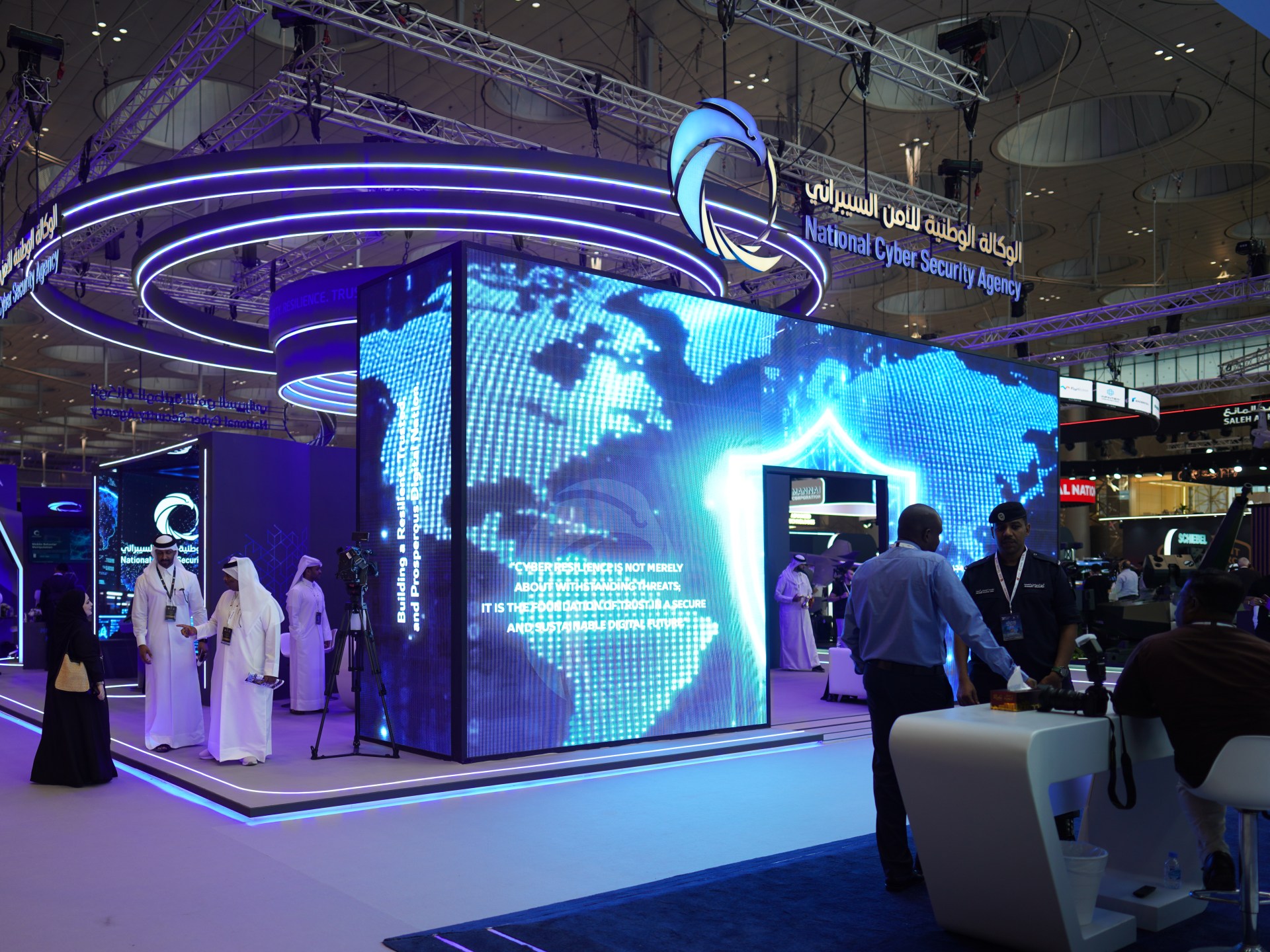
The 15th edition of Milipol Qatar, the Middle East's flagship exhibition for homeland security and safety, convened in Doha against a backdrop of escalating regional tensions. Marking a significant diplomatic milestone on the sidelines of the event, the State of Qatar and the French Republic formalized a comprehensive three-year security cooperation action plan. The agreement, signed by high-ranking defense and interior officials from both nations, outlines joint frameworks for major event management, counterterrorism tactical training, intelligence sharing, and cyber resilience.
Doha and Paris maintain a mature strategic partnership spanning defense procurement, military aviation, and energy exploration. France has long served as a primary defense contractor for the Qatari Armed Forces, having previously supplied Rafale multirole fighter aircraft, naval frigates, and air defense radar systems. This latest pact broadens the bilateral aperture toward homeland surveillance, coastal defense, and border monitoring. By solidifying institutional cooperation through 2027, Qatar aims to consolidate its defense capabilities amidst shifting regional security dynamics and asymmetric threats targeting critical sovereign infrastructure.
Global Trade & Economic Ripples
While outwardly focused on domestic security, the strategic alliance carries immediate consequences for international commerce and maritime supply chains. Qatar stands as one of the world's preeminent exporters of liquefied natural gas (LNG), supplying vital baseload energy to both European industrial hubs and Asian utilities. Securing maritime approaches, offshore extraction platforms in the North Field, and coastal processing terminals in Ras Laffan is imperative for global energy price stability.
Heightened defense cooperation with France directly bolsters the deterrence umbrella shielding Qatari maritime logistics lanes throughout the Strait of Hormuz. Any systemic threat to Persian Gulf commercial shipping risks immediate freight rate inflation, skyrocketing marine war risk insurance premiums, and speculative volatility in Brent crude and European Title Transfer Facility (TTF) natural gas futures. Moreover, the commercial engagements brokered at Milipol signal sustained capital expenditure by Gulf sovereign entities in dual-use technologies, advanced surveillance equipment, and unmanned security assets, creating lucrative pipelines for European defense contractors seeking to offset domestic procurement constraints.
Related Intelligence: Russia Backs Iran Amid Rising Middle East Tensions and Energy Windfalls
International Reactions & Diplomatic Stances
Official communiques from Doha and Paris emphasized the shared commitment to regional de-escalation, maritime navigation rights, and sovereign stability. French representatives characterized the bilateral action plan as an extension of a decades-long relationship built on mutual defense interoperability and operational alignment. Qatari officials reiterated that investments in homeland security architecture are foundational to maintaining domestic stability and safeguarding the nation's economic assets.
International market observers and defense analysts viewed the accord as a pragmatic alignment of European strategic interests with Gulf capital and supply security. Multilateral bodies and regional security monitors noted that the reinforcement of Gulf homeland security infrastructure contributes to standardizing counterterrorism protocols across international supply nodes. Analysts also highlighted that Western-Gulf defense bilateralism continues to serve as an indispensable hedge against asymmetric maritime sabotage in vital commercial choke points.
Strategic Outlook & Future Scenarios
The implementation of the three-year security framework will likely unfold through synchronized tactical exercises, institutional exchange programs, and accelerated defense procurement contracts. As Qatar advances its massive North Field expansion projects to expand LNG export capacity by mid-decade, state authorities are projected to heavily integrate artificial intelligence, counter-unmanned aerial systems (C-UAS), and advanced perimeter monitoring to insulate energy assets from external disruption.
Going forward, the trajectory of this bilateral alliance will be tested by broader Middle Eastern geopolitical volatility. Should maritime proxy incidents intensify across regional waterways, the operational integration between French technical advisors and Qatari security forces will be critical to sustaining logistics corridors. Further strategic dialogues are expected ahead of upcoming international defense symposiums, where Doha is anticipated to leverage its diplomatic capital and energy leverage to secure additional high-technology security pacts across Europe and North America.
Join Our Official WhatsApp Channel
Receive live commodity alerts, policy changes, and commercial intelligence directly on WhatsApp.