
Cornell University Leadership Crisis Intensifies Ahead of Decisive Governance Vote
Cornell University faces escalating institutional turmoil as leadership disputes a complainant's account of misconduct handling ahead of a faculty no-confidence vote.
Geopolitical & Core Developments
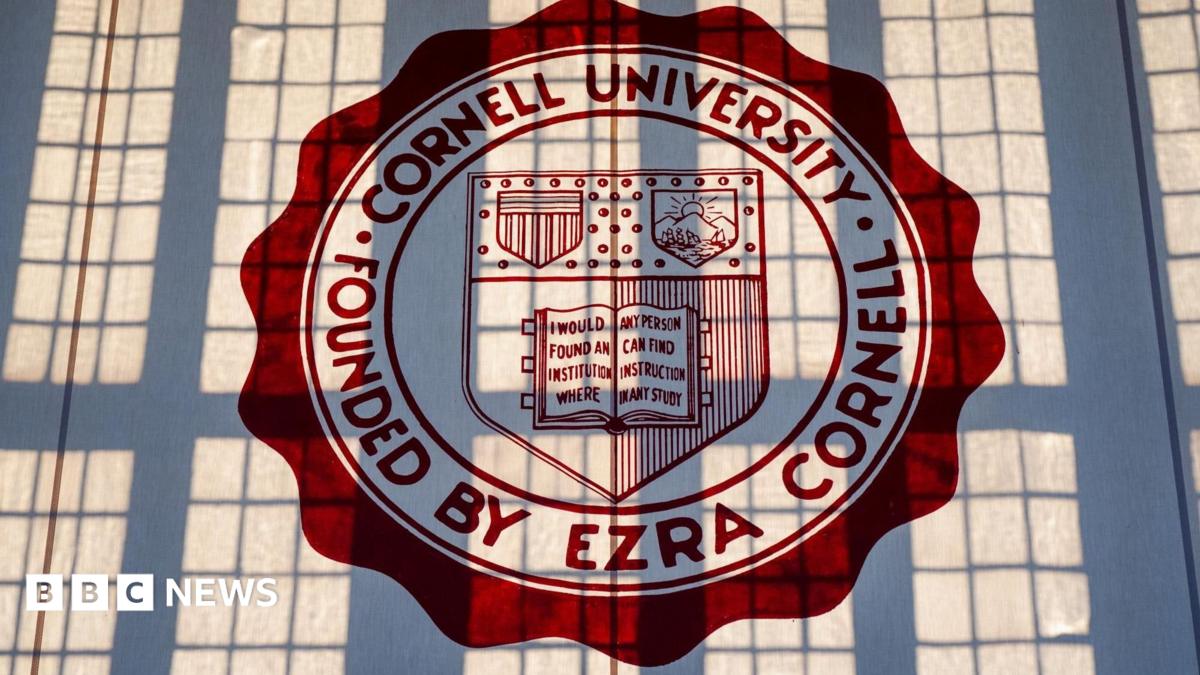
Cornell University, a premier institution within the United States Ivy League network, is confronting an acute institutional crisis as its leadership faces a critical faculty vote of no confidence. The escalation follows public claims by an anonymous complainant, identified as Jane Doe, alleging that the university head expressed skepticism toward her report of an off-campus gang-rape. In response, university communications officials issued formal statements characterizing the representation of the president's conduct as factually incorrect and misaligned with institutional records.
The confrontation arrives during an unprecedented era of scrutiny targeting executive leadership across elite Western research hubs. Over the past eighteen months, leadership instability within Tier-1 academic institutions has accelerated under simultaneous pressures involving federal regulatory compliance, free-speech controversies, donor revolts, and Title IX administrative obligations. At Cornell, the timing of the grievance directly compounds internal fissures between faculty governing bodies, administrative leadership, and the board of trustees. The impending vote marks a critical juncture for institutional governance, determining whether the executive office maintains the mandate required to steer complex operations, extensive federal grant allocations, and extensive multinational academic partnerships.
[Global Trade](/news/us-midterm-elections-geopolitical-impact-global-trade) & Economic Ripples
While rooted in institutional oversight and campus civil rights frameworks, the leadership destabilization at premier American universities carries measurable economic ramifications. Research-intensive global universities operate as major financial hubs, controlling multi-billion-dollar endowments, directing advanced technological research, and managing extensive procurement pipelines across scientific, biomedical, and administrative supply chains. Cornell's endowment, valued in excess of $10 billion, interfaces directly with international capital markets, private equity allocations, and cross-border commercial ventures.
Institutional volatility introduces governance risk that institutional allocators, philanthropic foundations, and corporate research partners increasingly factor into due diligence assessments. Persistent administrative friction threatens to disrupt multi-year corporate-sponsored research initiatives, clinical trial timelines, and public-private innovation hubs. Furthermore, the global academic talent pipeline remains highly sensitive to reputational turbulence; disruptions at elite institutions influence the cross-border mobility of top-tier international scholars, graduate researchers, and foreign direct investment funneled into university-linked technology incubators.
Related Intelligence: US Midterm Stakes Reshape Geopolitical Outlook and Global Trade Trajectory
International Reactions & Diplomatic Stances
Legal scholars, civil rights advocates, and academic trade associations have closely monitored the proceedings, viewing the confrontation as a benchmark for contemporary administrative accountability. The American Association of University Professors (AAUP) and national Title IX advocacy groups have emphasized that administrative fidelity to established federal reporting protocols remains a baseline legal requirement, regardless of an institution's historical prestige or financial standing.
Conversely, legal counsel representing university administrations has underscored the systemic challenges higher-education executives face in balancing confidential adjudications, due process mandates, and rapid media-driven escalations. Regulatory observers point out that systemic lapses in procedural transparency have previously triggered intervention from the U.S. Department of Education’s Office for Civil Rights (OCR). Such reviews routinely invite international scrutiny from partner universities across Europe and East Asia that maintain reciprocal exchange programs and shared international degree frameworks with Ivy League institutions.
Strategic Outlook & Future Scenarios
The trajectory of the dispute hinges on the formal outcome of the upcoming no-confidence ballot and the subsequent response from Cornell's Board of Trustees. Precedents established across peer institutions indicate that even non-binding faculty censures frequently undermine executive viability, accelerating board-directed leadership transitions or emergency structural reviews.
In the medium term, the institution faces the prospect of heightened regulatory audits, external independent reviews of its student safety infrastructure, and intensified donor conditionality on capital campaigns. Should the crisis lead to an executive resignation, it will intensify an ongoing transformation across global higher education, where university presidents are subject to the same stringent corporate governance metrics, stakeholder oversight, and operational risk standards traditionally reserved for public corporate entities.
Join Our Official WhatsApp Channel
Receive live commodity alerts, policy changes, and commercial intelligence directly on WhatsApp.