
Southeast Asian Haze Crisis Escalates as Indonesian Fires Threaten Regional Trade
Escalating forest fires across Indonesia have blanketed Southeast Asia in toxic haze, sparking cross-border diplomatic disputes, threatening palm oil supply chains, and imposing heavy public health and commercial costs across the region.
Geopolitical & Core Developments
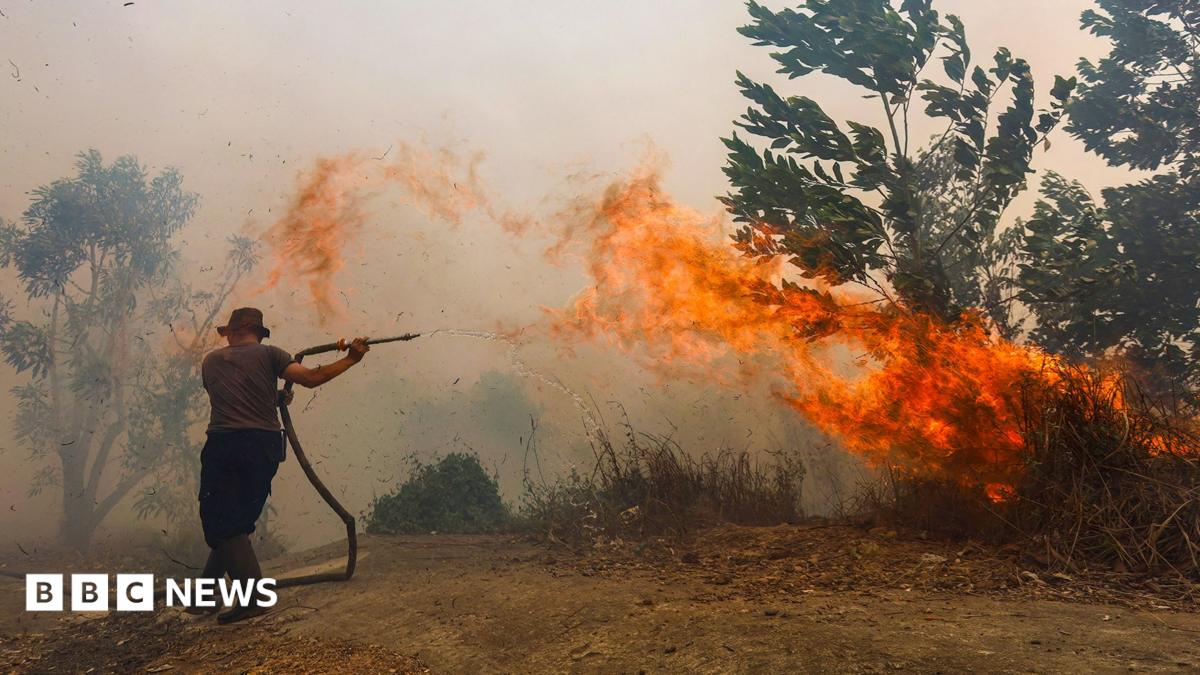
For months, subterranean peat fires and widespread agricultural slash-and-burn clearances across Kalimantan and Sumatra have unleashed dense plumes of transboundary haze across Southeast Asia. The environmental fallout has engulfed major urban centers in Indonesia, Malaysia, and Singapore, pushing Air Pollutant Index (API) readings into hazardous territory and causing acute respiratory illnesses for hundreds of thousands of civilians. The annual recurrence of the crisis has once again laid bare the institutional friction between Jakarta and its regional neighbors, testing the limits of non-interference norms embedded within the Association of Southeast Asian Nations (ASEAN).
Efforts by Indonesian authorities to contain the blazes—deploying water-bombing aircraft, artificial rain-generation technology, and thousands of military personnel—have struggled against dry El Niño weather patterns and deeply desiccated peatlands. The geopolitical stakes center on land governance and regulatory enforcement. While smallholders frequently shoulder the blame for land-clearing, extensive investigations implicate large corporate concessions linked to the global agribusiness sector. The cross-border smoke drift has drawn sharp rebukes from Putrajaya and Singapore, reigniting long-standing debates over sovereignty, liability, and the enforcement of the 2002 ASEAN Agreement on Transboundary Haze Pollution.
[Global Trade](/news/us-midterm-elections-geopolitical-impact-global-trade) & Economic Ripples
The economic fallout extends far beyond local emergency healthcare expenditures. Indonesia is the world's preeminent producer of crude palm oil (CPO), and sustained fires in production corridors introduce immediate volatility into global edible oil markets. Labor disruptions, plantation accessibility issues, and reduced crop yields threaten to tighten global export volumes, driving up baseline pricing for agricultural commodities. Concurrently, regional supply chains face logistical bottlenecks; reduced visibility has intermittently suspended domestic aviation and prompted cautionary navigation advisories along the Malacca Strait, one of the world's most critical maritime chokepoints.
Furthermore, international consumer goods conglomerates face heightened regulatory and consumer scrutiny over their supply chain provenance. With major importing blocs, including the European Union, enforcing strict anti-deforestation due diligence mandates (EUDR), Indonesian exporters risk broader market access restrictions. Institutional investors are reassessing sovereign and corporate environmental, social, and governance (ESG) risk premiums, potentially increasing borrowing costs for regional operators heavily exposed to carbon-intensive land practices.
Related Intelligence: US Midterm Stakes Reshape Geopolitical Outlook and Global Trade Trajectory
International Reactions & Diplomatic Stances
Diplomatic exchanges have grown increasingly pointed. Malaysian environmental officials have formally dispatched diplomatic notes to Jakarta, urging immediate bilateral action and offering technical assistance to extinguish active hotspots. Indonesian officials, however, have historically contested satellite data attributing the origin of the haze entirely to domestic soil, arguing that fires within Malaysian-owned concessions also contribute to the transboundary crisis.
Multilateral bodies and environmental watchdogs have called for enforceable accountability mechanisms. The United Nations Environment Programme (UNEP) emphasized that peatland destruction in Southeast Asia constitutes a dual catastrophe, releasing millions of metric tons of sequestered carbon into the atmosphere while degrading critical biodiversity reserves. Meanwhile, commercial chambers of commerce across Singapore and Kuala Lumpur have warned that prolonged disruptions to tourism, retail, and outdoor labor sectors will shave basis points off quarterly regional GDP growth.
Strategic Outlook & Future Scenarios
The short-term trajectory remains heavily dependent on regional weather shifts and the arrival of the monsoon season to suppress deep-seated peatland fires. However, structurally resolving the crisis demands comprehensive corporate transparency and rigorous enforcement of land-use moratoria. Diplomatic maneuvers at upcoming ASEAN ministerial summits are expected to focus on updating regional haze monitoring frameworks and sharing digital land-titling registries.
Should the environmental crisis persist through extended drought cycles, neighboring states may explore legal avenues under international environmental law or leverage commercial boycotts against non-compliant plantation syndicates. Without systemic land-management reforms and substantial investments in peatland rewetting, Southeast Asia faces recurring geopolitical strain and compounding commercial penalties, dampening the region's broader economic integration agenda.
Join Our Official WhatsApp Channel
Receive live commodity alerts, policy changes, and commercial intelligence directly on WhatsApp.