
Putin Pledges Strategic Support to Iran Amid Rising US Tensions
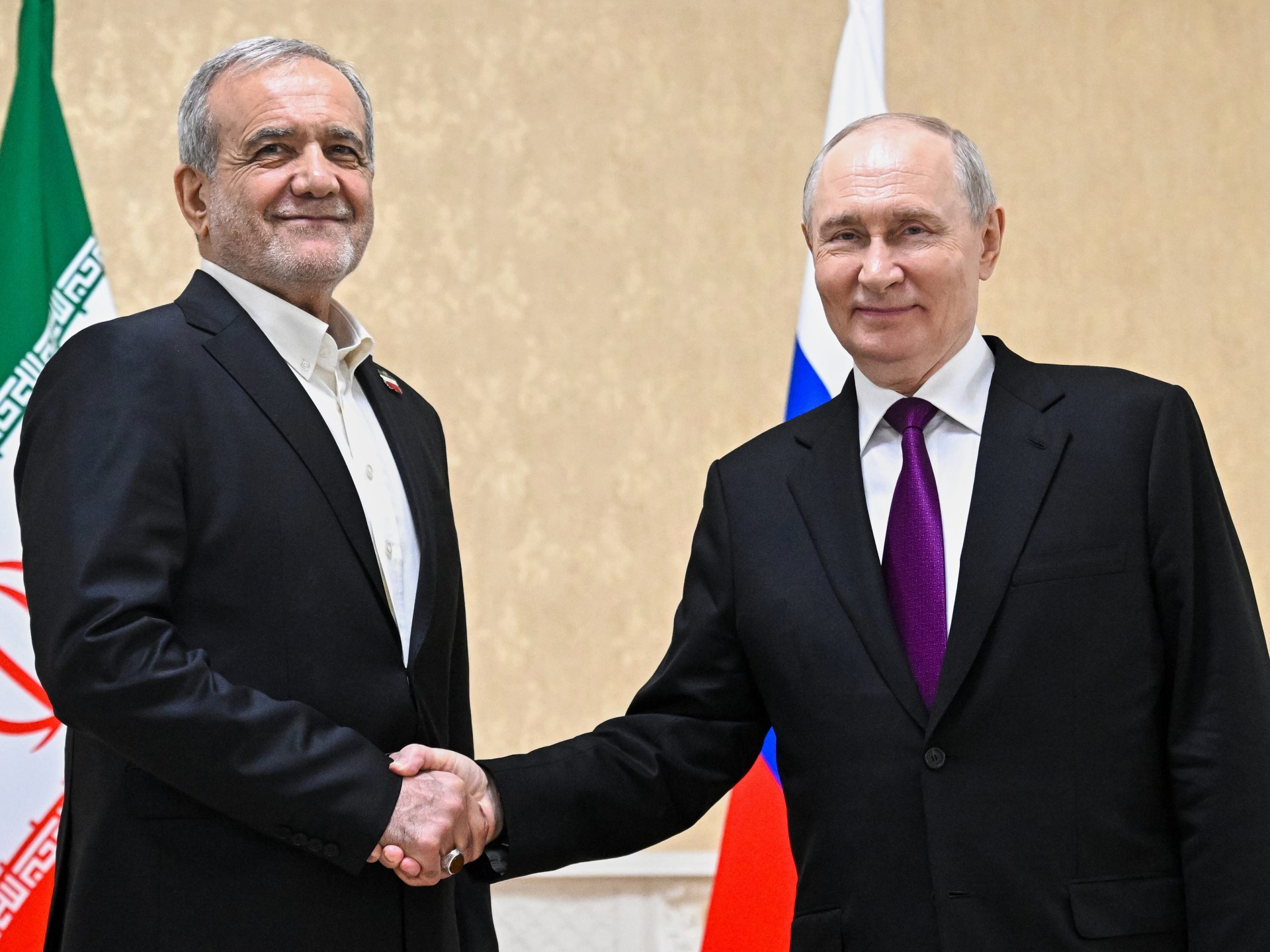
Russian President Vladimir Putin met with his Iranian counterpart in Turkmenistan, offering robust strategic support against US-led policies and signaling deepening bilateral alliances.
Geopolitical & Core Developments
Russian President Vladimir Putin met with the President of Iran during a high-profile diplomatic gathering in Turkmenistan, utilizing the regional summit as a platform to solidify bilateral ties and directly challenge Western hegemony. The meeting, which preceded broader multilateral engagements, underscored a deepening strategic alignment between Moscow and Tehran as both capitals navigate stringent international sanctions and escalating confrontations with Washington.
During the discussions, President Putin explicitly criticized United States-led policies in the Middle East, characterizing ongoing geopolitical pressures on Tehran as an illegitimate escalation. Moscow's formal pledge of support marks a significant diplomatic milestone, signaling that Russia is prepared to deepen political, technological, and military cooperation with Iran. This axis of cooperation has intensified considerably since the onset of the conflict in Ukraine, transforming bilateral relations from tactical expediency into a comprehensive strategic partnership.
Global Trade & Economic Ripples
For global commodity markets and international shipping lanes, the deepening alliance between Russia and Iran carries profound implications, particularly for energy security. Both nations possess vast hydrocarbon reserves and have increasingly bypassed Western financial infrastructure by utilizing alternative settlement currencies, bilateral barter arrangements, and shadow fleet tankers to maintain petroleum exports.
Any formal consolidation of political support between Moscow and Tehran threatens to further insulate their energy sectors from Western embargoes, altering traditional trade flows toward Asian consumer markets, notably China and India. International traders are closely monitoring potential disruptions in critical maritime chokepoints, including the Strait of Hormuz. Sustained geopolitical friction in this corridor directly impacts global crude pricing benchmarks, marine insurance premiums, and liquefied natural gas (LNG) delivery schedules across Europe and Asia.
Related Intelligence: Premier League Financial Disputes Threaten Global Commercial Stability
International Reactions & Diplomatic Stances
Western capitals have responded with heightened concern to the expanding partnership between Moscow and Tehran, viewing the consolidation of ties as a direct challenge to the rules-based international order. United States and European Union officials have reiterated warnings regarding military technology transfers between the two states, emphasizing that such cooperation undermines regional security in the Middle East and prolongs instability in Eastern Europe.
Meanwhile, multilateral bodies such as the United Nations have issued calls for restraint, urging all regional and global stakeholders to prevent further escalation. Energy market analysts note that institutional responses from the West have largely been limited to the intensification of secondary sanctions, though compliance enforcement remains uneven across major emerging economies that continue to trade actively with both Russia and Iran.
Strategic Outlook & Future Scenarios
Looking ahead, the trajectory of Russian-Iranian relations points toward institutionalized economic integration, likely anchored by expanded multilateral frameworks such as the Shanghai Cooperation Organisation (SCO) and BRICS. Upcoming regional summits will likely formalize new trade corridors, such the International North-South Transport Corridor (INSTC), designed to facilitate secure logistics between Eurasian markets while bypassing Western-controlled maritime routes.
Geopolitical escalation points remain centered around potential military miscalculations in the Persian Gulf and further tightening of Western sanctions targeting financial networks utilized by both nations. As bilateral cooperation deepens, global commercial operators must prepare for a permanently fractured trade landscape characterized by bifurcated supply chains and heightened regulatory scrutiny.
Join Our Official WhatsApp Channel
Receive live commodity alerts, policy changes, and commercial intelligence directly on WhatsApp.