
Kenya Avoids Major Ebola Escalation as Suspected Patient Tests Negative
Preliminary laboratory tests for a suspected Ebola patient in Kenya have returned negative, easing fears of a secondary domestic outbreak following the nation's first-ever confirmed case earlier this week.
Geopolitical & Core Developments
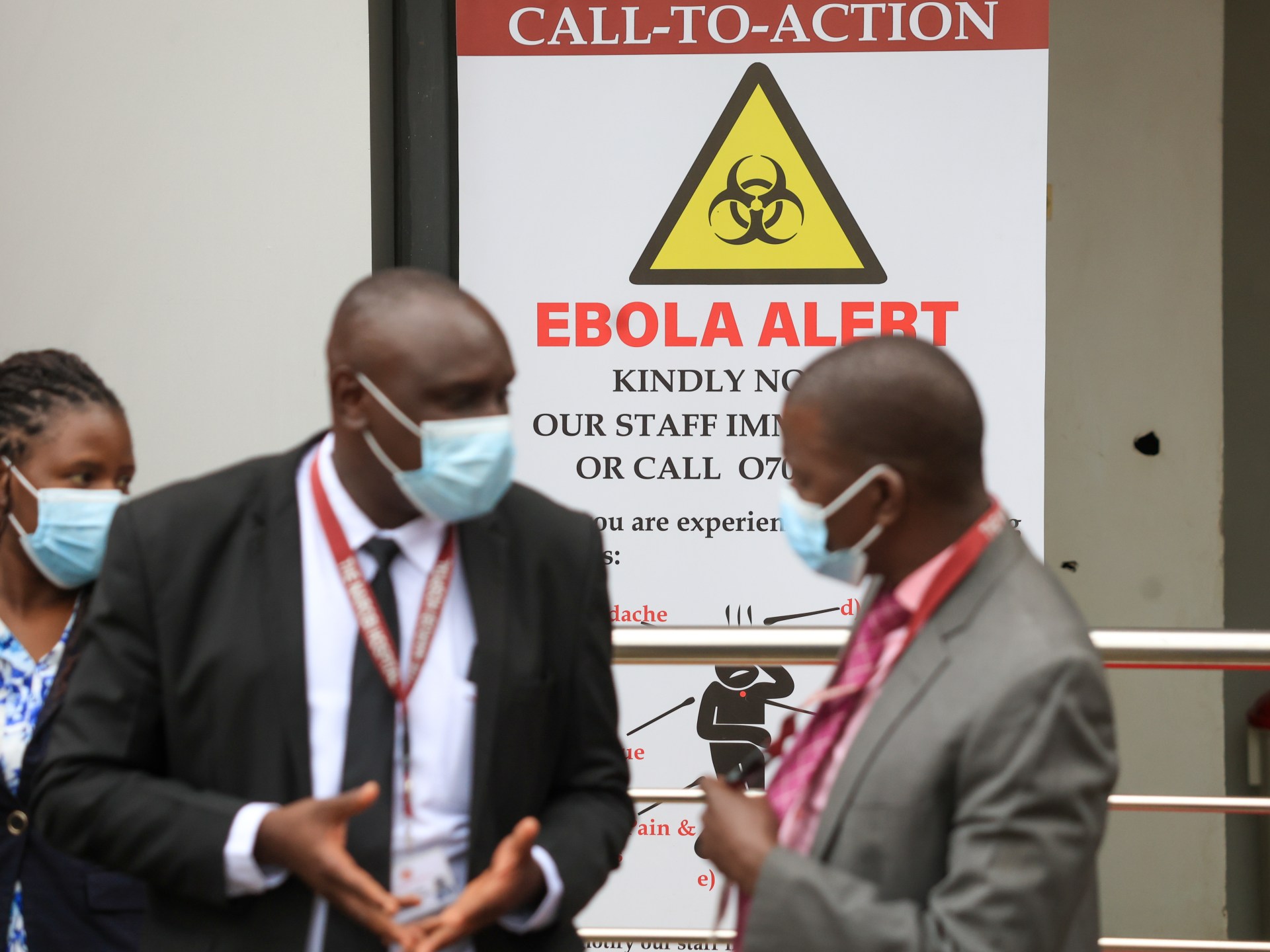
Kenya has averted an immediate escalation of a public health crisis after health authorities confirmed that a patient suspected of contracting the Ebola virus tested negative. The preliminary laboratory results provide profound relief to government officials and healthcare workers across East Africa, coming on the heels of the country reporting its first-ever historical case earlier this week. The initial confirmation had triggered emergency protocols across Nairobi and key transit hubs, prompting immediate contact tracing and heightened surveillance at international border crossings. State actors and regional health ministries scrambled to coordinate containment strategies, underscoring the delicate vulnerability of cross-border stability in the Horn of Africa. While this negative test result successfully mitigates the immediate threat of a multi-case domestic cluster, the incident highlights the ongoing challenges of managing infectious disease vectors in densely populated commercial corridors where human mobility is exceptionally high.
[Global Trade](/news/wto-upgrades-global-trade-forecast-pakistan-gains-middle-east-disruptions) & Economic Ripples
The temporary panic surrounding a potential second Ebola case sent immediate tremors through regional markets, directly threatening East Africa's vital transport and logistics infrastructure. Kenya serves as the primary commercial gateway for landlocked economies including Uganda, Rwanda, and the Democratic Republic of Congo, making any health-related disruption a critical risk for international supply chains. Had the suspected case tested positive, prospective border closures, quarantine protocols, and trade restrictions would have severely impacted agricultural exports, tea and coffee shipments, and petroleum transit corridors originating from the Port of Mombasa. Although market stability has been restored following the negative diagnosis, commodity traders and shipping insurers maintain heightened vigilance. The episode serves as a sharp reminder of how biological risks can instantly jeopardize currency valuations, elevate logistics costs, and disrupt the seamless flow of essential commodities across sub-Saharan trade routes.
Related Intelligence: South African Asylum Ruling Sparks Violent Unrest and Trade Disruptions
International Reactions & Diplomatic Stances
International bodies and diplomatic missions closely monitored the unfolding situation in Nairobi, offering technical assistance and epidemiological support to the Kenyan Ministry of Health. The World Health Organization and regional partners praised the rapid deployment of diagnostic protocols and transparency demonstrated by Kenyan authorities. Economic analysts and risk advisory firms noted that swift containment measures prevented a broader panic among foreign investors and international airlines, which typically react to epidemic threats by suspending routes and instituting travel advisories. Diplomatic channels emphasized the necessity of cross-border data sharing and collaborative medical stockpiling to prevent localized health emergencies from transforming into systemic regional crises. The international community's measured response highlights a mature post-pandemic framework for managing localized infectious disease outbreaks without resorting to economically devastating isolationist policies.
Strategic Outlook & Future Scenarios
Looking ahead, the scare has forced East African governments to re-evaluate their long-term pandemic preparedness and border health infrastructure. Upcoming regional economic summits are expected to prioritize joint health security frameworks, integrated epidemiological surveillance systems, and streamlined supply chains for medical countermeasures. While the immediate geopolitical and commercial threat has receded, governments across the region remain on high alert. The incident underscores that strategic resilience in global trade is inextricably linked to robust public health defenses. Moving forward, policymakers must balance open trade corridors with stringent biosafety monitoring to safeguard both human life and uninterrupted commercial activity across critical international markets.
Join Our Official WhatsApp Channel
Receive live commodity alerts, policy changes, and commercial intelligence directly on WhatsApp.