
Premier League Financial Disputes Threaten Global Commercial Stability
Elite football clubs demand financial reimbursements following regulatory charges against Manchester City, with Liverpool facing the reigning champions amid escalating commercial governance tensions.
Geopolitical & Core Developments
The contemporary landscape of elite international sports governance faces an unprecedented institutional crisis following sweeping regulatory charges leveled against Manchester City Football Club. At the heart of the controversy is a deepening rift among elite English Premier League stakeholders, with prominent clubs reportedly pursuing formal financial reimbursements and structural damages. This unprecedented pushback stems from allegations of systemic financial rule breaches spanning multiple seasons, which competitors argue undermined competitive integrity and distorted fair market valuations within the domestic and continental ecosystems.
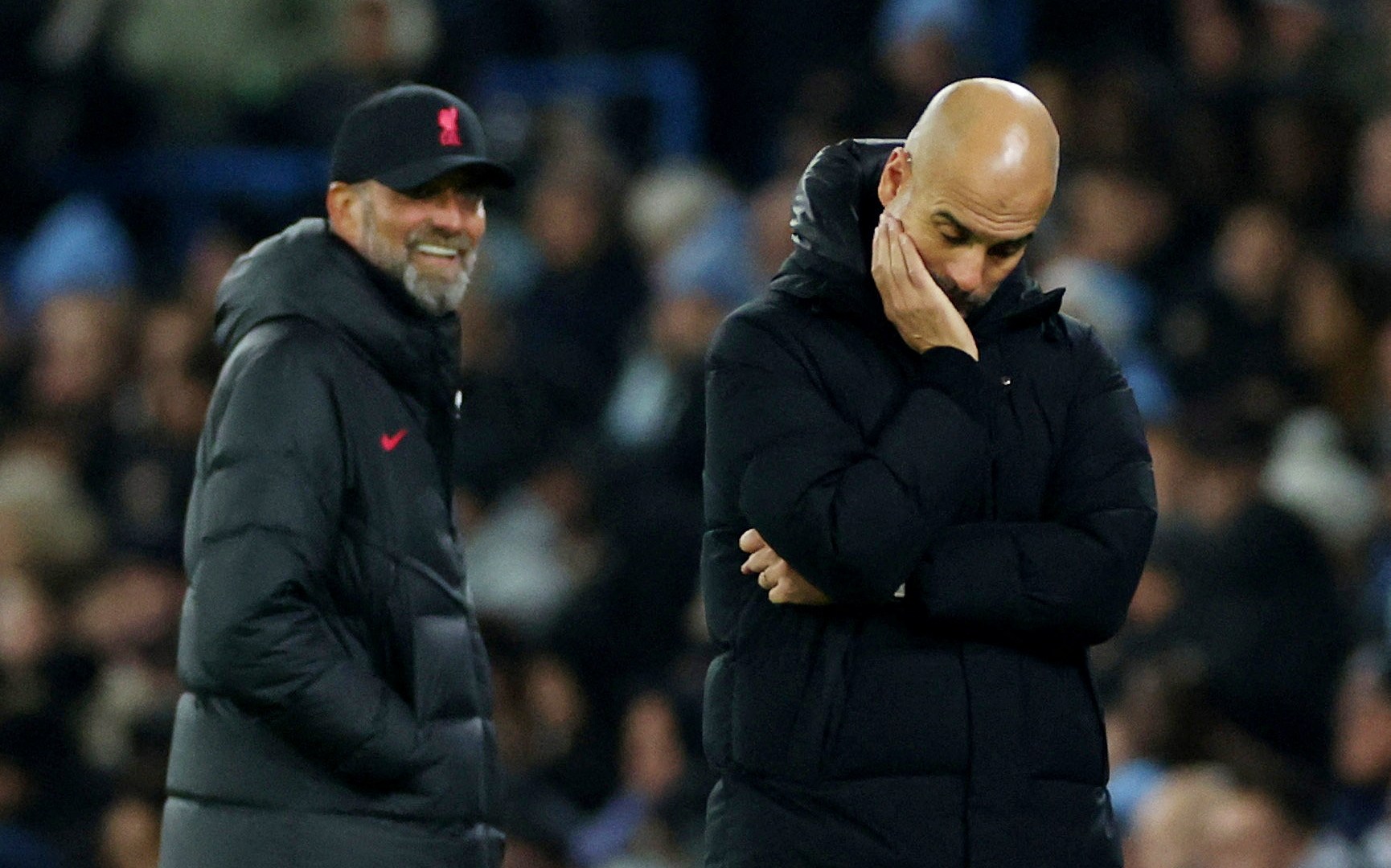
The timing of these administrative grievances has amplified geopolitical and institutional friction, culminating in high-stakes sporting fixtures that carry profound symbolic and commercial weight. Liverpool Football Club, long positioned as a vocal advocate for rigorous financial regulation and sustainable operational models within European football, stands as the immediate opponent in this high-voltage sporting fallout. The convergence of intense on-pitch competition and underlying corporate governance disputes has transformed a standard league fixture into a broader battleground over the future regulatory architecture of transnational sports capital.
[Global Trade](/news/wto-upgrades-global-trade-forecast-pakistan-gains-middle-east-disruptions) & Economic Ripples
Beyond the stadium walls, the Manchester City regulatory dispute resonates deeply within the broader architecture of global sports economics, media rights valuation, and international investment flows. Sovereign wealth funds and transnational private equity entities have increasingly integrated elite European football clubs into diversified global portfolios, treating premier athletic franchises as strategic assets comparable to high-yield commodities or marquee real estate. Consequently, any regulatory disruption or legal cloud hanging over a dominant market participant threatens the stability of broadcast rights valuations, global merchandise supply chains, and international sponsorship yields.
Market analysts note that institutional investors are closely monitoring the proceedings for precedent-setting ramifications. The potential implementation of retroactive sanctions, point deductions, or mandatory financial restitution introduces a high degree of regulatory risk into sports-adjacent commercial markets. Sponsors and multinational conglomerates holding multi-million-dollar partnerships across the Premier League ecosystem are recalibrating their risk assessments, wary of reputational spillover effects and potential volatility in viewership metrics should the competitive balance be artificially or legally upended.
Related Intelligence: Manchester City Governance Crisis Collides with Premier League Commercial Stability
International Reactions & Diplomatic Stances
While traditional multilateral bodies like the United Nations remain outside the immediate purview of domestic athletic governance, international sports regulators—including UEFA and FIFA—are observing the Premier League proceedings with intense scrutiny. European football authorities view the English top-flight as a bellwether for continental financial fair play enforcement. Independent market analysts and sports economists have expressed divergent views, with some praising the Premier League for enforcing robust accountability measures, while others warn of protracted legal battles that could paralyze commercial decision-making.
Prominent figures within the global sports administration framework emphasize that transparency and uniform enforcement are vital for preserving the multi-billion-dollar global entertainment product. Conversely, legal representatives for affected clubs maintain that historical financial imbalances demand rigorous remedial action to restore market equilibrium, signaling that institutional resistance to unchecked capital injection will remain a defining theme of modern sports administration.
Strategic Outlook & Future Scenarios
Looking ahead, the trajectory of the Manchester City regulatory dispute will likely establish a critical legal precedent for transnational sports leagues worldwide. The immediate outcome of upcoming high-profile fixtures, such as the Liverpool encounter, will serve as a psychological barometer for the league's ability to manage internal dissent. Over the medium term, anticipated judicial panels and independent arbitration hearings will determine whether the Premier League can effectively police elite-tier financial conduct without alienating pivotal commercial stakeholders.
Failure to reach a transparent, enforceable resolution risks precipitating a broader schism among elite clubs, potentially accelerating discussions regarding breakaway European super-leagues or alternative governance models. As international regulators tighten oversight on sovereign and private investment in public goods, the unfolding crisis in English football underscores the urgent need for harmonized global standards governing elite sports economy and commercial operations.
Join Our Official WhatsApp Channel
Receive live commodity alerts, policy changes, and commercial intelligence directly on WhatsApp.