
US Military Aviation Losses in Iran Conflict Exceed Three Billion Dollars
A Congressional Budget Office report reveals that at least 81 US aircraft worth up to $3.3 billion were lost or damaged in the Iran conflict, escalating political pressure regarding war expenditures.
Geopolitical & Core Developments
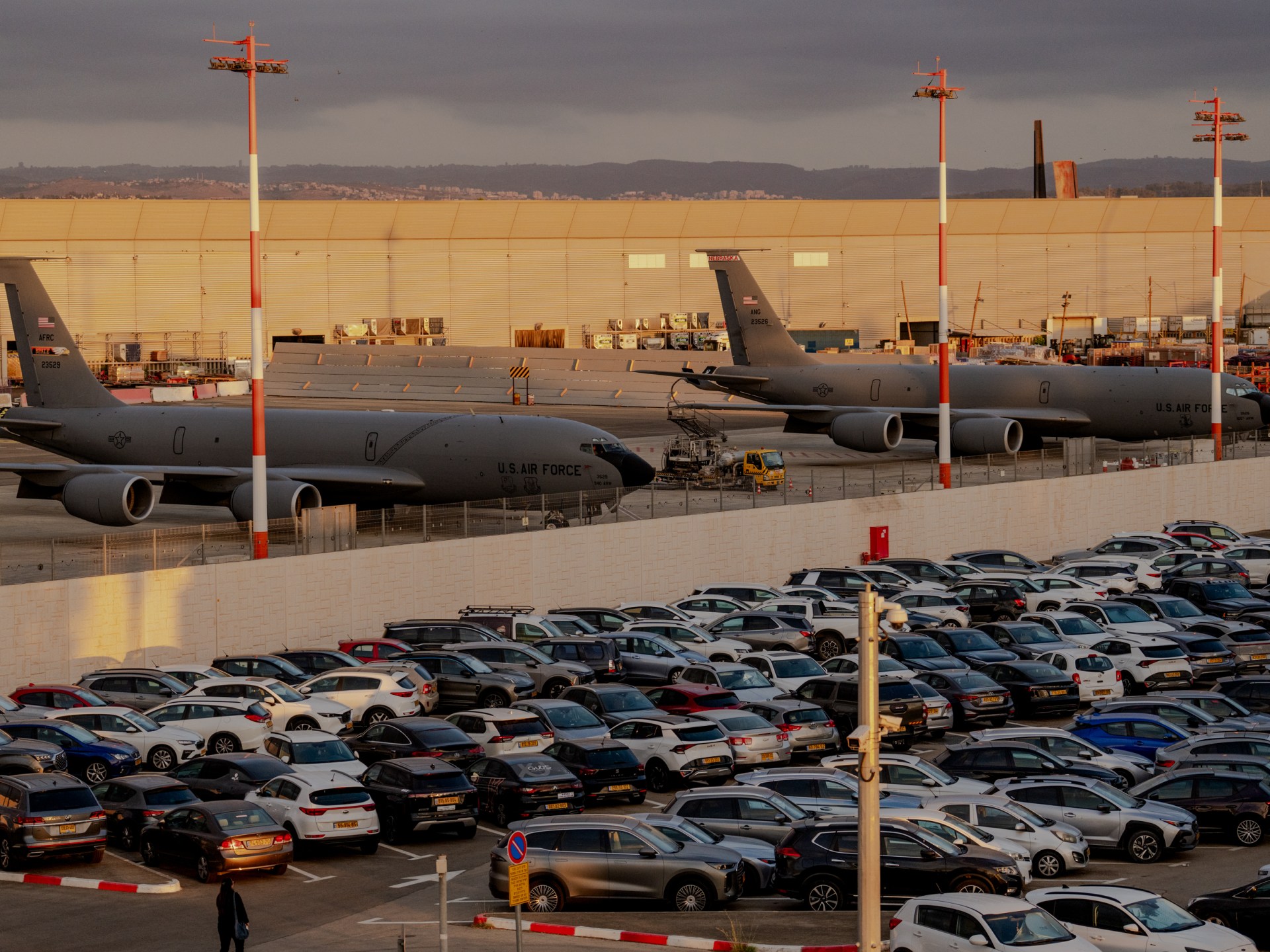
A recent Congressional Budget Office (CBO) report has brought to light the staggering material costs of the ongoing confrontation with Iran, revealing that at least 81 United States military aircraft have been either completely destroyed or severely damaged. Valued at an estimated $3.3 billion, these losses underscore the high-intensity nature of modern aerial engagements and the vulnerability of advanced military hardware in contested regional airspace. The revelations arrive at a politically sensitive juncture for the administration of President Donald Trump, who faces intensifying scrutiny from lawmakers regarding the ballooning financial and strategic price tag of the military campaign.
The conflict, which has seen asymmetric warfare tactics employed by Tehran alongside sophisticated missile and drone barrages, has strained US force posture across the Middle East. Strategic assets, traditionally viewed as infallible, have faced persistent threats from integrated air defense systems and precision loitering munitions. As military planners reevaluate operational parameters, the sheer volume of equipment attrition highlights the limits of power projection in protracted regional engagements. The timeline of escalation, marked by rapid retaliatory cycles, has demonstrated that state actors with robust indigenous defense capabilities can inflict asymmetric attrition on technologically superior adversaries.
[Global Trade](/news/wto-upgrades-global-trade-forecast-pakistan-gains-middle-east-disruptions) & Economic Ripples
The revelation of multi-billion-dollar military expenditures directly impacts global macroeconomic stability and investor sentiment across commodity markets. Defense spending of this magnitude contributes to wider fiscal deficits, influencing sovereign debt ratings and stoking inflationary pressures within the United States economy. Furthermore, the persistent threat environment in the Middle East continues to cast a shadow over critical maritime chokepoints, notably the Strait of Hormuz, through which a significant share of the world's petroleum passes.
Global energy markets remain acutely sensitive to any indication of prolonged military entanglement involving major producers. Crude oil benchmarks have experienced heightened volatility as traders price in potential supply disruptions, insurance premium spikes for commercial shipping, and rerouting costs around the Cape of Good Hope. Industrial supply chains dependent on stable Middle Eastern energy flows face structural vulnerabilities, threatening to cascade into broader commodity price inflation. For international commodity traders and logistics firms, the sustained geopolitical friction necessitates continuous risk mitigation strategies, hedging against abrupt currency fluctuations and escalating freight rates.
Related Intelligence: Pakistan Adjusts Fuel Prices as Petrol Rises to Rs398.96
International Reactions & Diplomatic Stances
The release of the CBO figures has drawn sharp reactions from international observers, multilateral institutions, and financial analysts worldwide. United Nations officials have repeatedly voiced concern over the humanitarian and economic fallout of widening regional hostilities, calling for immediate de-escalation and a return to diplomatic frameworks. European allies, while expressing solidarity with Washington's strategic objectives, have privately and publicly fretted over the diversion of military resources and the destabilizing effects on global trade corridors.
Market analysts at major financial institutions have begun downgrading regional growth forecasts, citing persistent geopolitical risk premiums. Multilateral bodies monitoring global economic health warn that prolonged military expenditures among major powers risk crowding out critical investments in green energy transition and post-pandemic recovery frameworks. Diplomatic missions in Geneva and Vienna report heightened back-channel maneuvers, though formal peace talks remain deadlocked as both Washington and Tehran maintain entrenched positions.
Strategic Outlook & Future Scenarios
Looking ahead, the trajectory of the conflict points toward a protracted war of attrition rather than a decisive military resolution. Upcoming international summits will likely focus heavily on establishing maritime security corridors and containing the economic fallout of the regional escalation. Lawmakers in Washington are expected to push for stricter legislative oversight on emergency supplemental funding requests, potentially constraining the executive branch's capacity to sustain high-tempo operations indefinitely.
Sanctions enforcement remains a primary tool of economic warfare, with Treasury officials signaling tighter controls on illicit petroleum networks and front companies facilitating Iran's military procurement. However, the efficacy of these measures is increasingly questioned by trade experts who point to sophisticated evasion tactics involving third-party intermediaries. Ultimately, the durability of US deterrence strategy in the region will depend on balancing immediate military readiness with long-term fiscal sustainability, as the true cost of regional hegemony becomes starkly apparent on domestic and international balance sheets.
Join Our Official WhatsApp Channel
Receive live commodity alerts, policy changes, and commercial intelligence directly on WhatsApp.