
Ethiopian Conflict Resurgence Threatens Horn of Africa Stability
The resurgence of armed conflict in Ethiopia's Tigray region tests fragile regional alliances, threatening vital trade corridors and international commodity markets across East Africa.
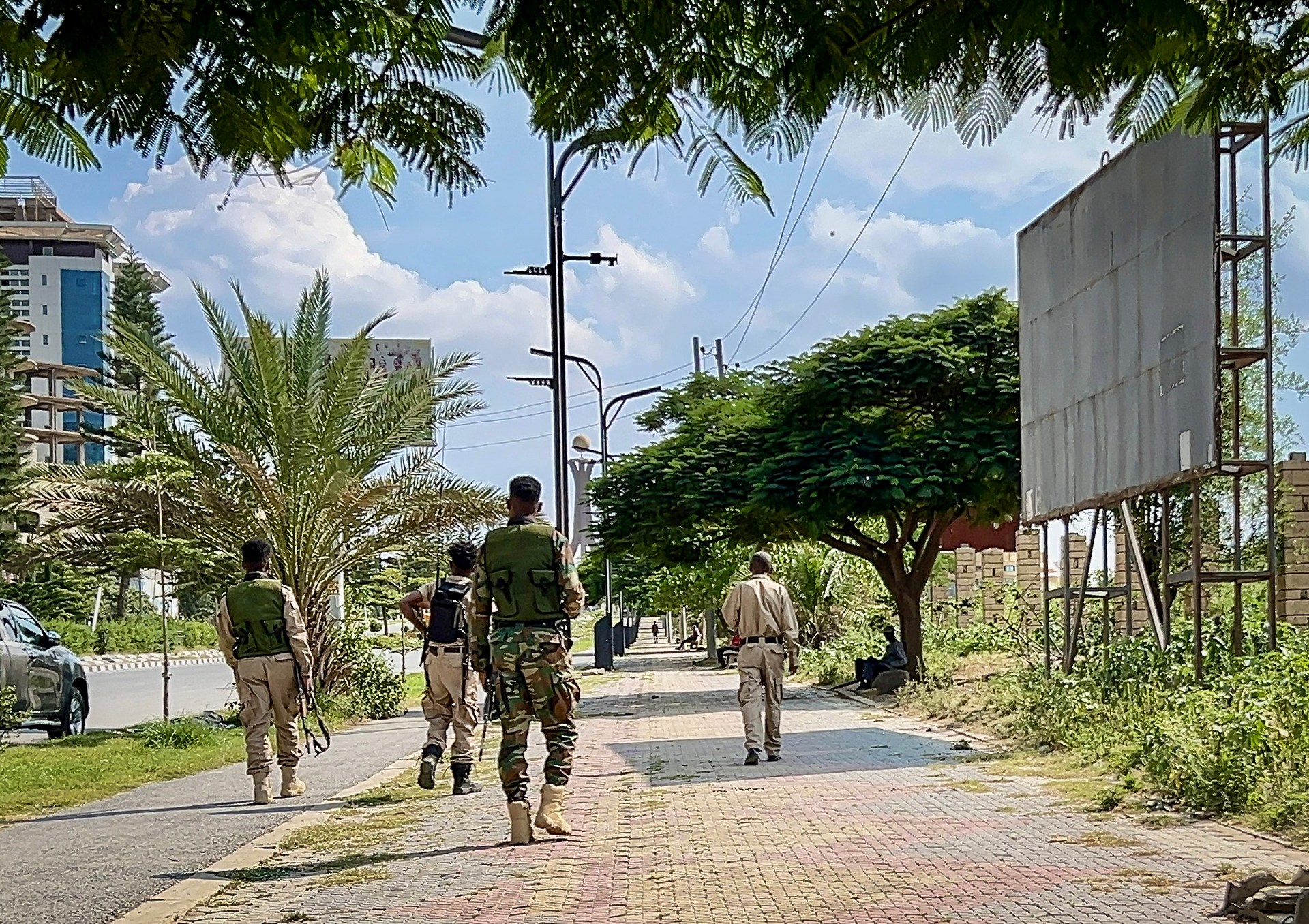
Geopolitical & Core Developments
The collapse of the humanitarian truce in Ethiopia has reignited a devastating conflict in the Tigray region, drawing intense scrutiny from international observers and neighboring states. Addis Ababa faces a complex strategic landscape as federal forces clash with regional authorities, shattering months of precarious diplomatic engagement. The resumption of hostilities not only intensifies internal displacement and humanitarian distress within the Horn of Africa but also places immense pressure on Ethiopia's bilateral relations with Eritrea, Sudan, and Somalia. Regional actors are increasingly drawn into the security dilemma, balancing sovereign security concerns against the risk of military spillover. Diplomatic channels, spearheaded by the African Union and regional bodies, face mounting urgency to establish immediate ceasefires and prevent a prolonged multi-front engagement that could fracture the Ethiopian state.
[Global Trade](/news/wto-upgrades-global-trade-forecast-pakistan-gains-middle-east-disruptions) & Economic Ripples
Beyond the immediate humanitarian catastrophe, the escalating conflict carries profound implications for global supply chains, regional logistics, and commodity pricing. The Horn of Africa serves as a critical geographic bridge connecting the Middle East, African interior, and vital maritime trade routes leading to the Bab el-Mandeb strait and the Suez Canal. Persistent insecurity along major transport corridors threatens the overland transit of agricultural exports, coffee, and essential imports, compounding global inflationary pressures. International shipping firms and logistics operators are re-evaluating risk matrices for East African operations, leading to higher freight insurance premiums and potential rerouting. Furthermore, capital flight and currency depreciation within Ethiopia risk spilling over into neighboring economies heavily reliant on cross-border trade, stoking broader economic instability across the broader East African trade bloc.
Related Intelligence: Gaza Crisis Deepens Amid Escalating Casualties and Humanitarian Emergency
International Reactions & Diplomatic Stances
Global capitals and multilateral organizations have expressed profound alarm over the deteriorating security situation. The United Nations Security Council and senior officials from the European Union have issued stern appeals for an immediate cessation of hostilities, emphasizing the imperative of unhindered humanitarian access to besieged populations. Market analysts and international risk consultancies note that prolonged instability could trigger targeted economic sanctions or conditional foreign aid freezes from Western donors. Meanwhile, regional powers are divided; while some advocate for aggressive mediation through multilateral frameworks, others pursue bilateral interventions to safeguard border security. The lack of a unified international deterrence posture risks emboldening hardliners on all sides, complicating efforts to construct a durable peace framework.
Strategic Outlook & Future Scenarios
Looking ahead, the trajectory of the Tigray conflict will heavily influence the geopolitical architecture of East Africa through the medium term. Upcoming diplomatic summits of the Intergovernmental Authority on Development and the African Union will serve as crucial testing grounds for regional conflict resolution mechanisms. If fighting persists, the risk of a protracted insurgency increases exponentially, threatening state cohesion and drawing neighboring militaries into deeper entanglements. Conversely, a breakthrough in backchannel negotiations could restore a semblance of economic predictability and reopen vital trade arteries. For international investors and commodity traders, monitoring political risk indicators in Addis Ababa remains essential to navigating the volatile macroeconomic landscape of the Horn of Africa.
Join Our Official WhatsApp Channel
Receive live commodity alerts, policy changes, and commercial intelligence directly on WhatsApp.