
Pope Leo XIV Undergoes Lung Surgery Following Cancerous Tumour Diagnosis
Pope Leo XIV has successfully undergone surgery in Rome to excise a malignant lung tumour, prompting international focus on Vatican governance stability.
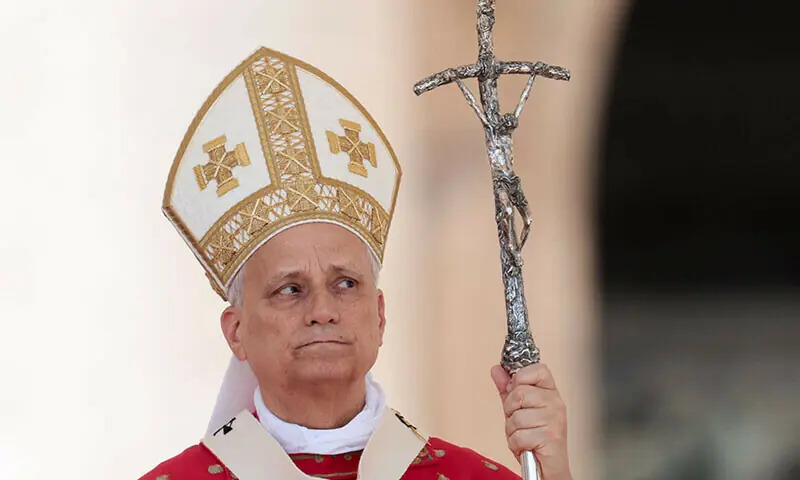
The Core Development
Pope Leo XIV has undergone successful surgical intervention in Rome to excise a malignant tumour from his right lung, the Holy See confirmed on Tuesday. The 71-year-old pontiff was admitted to the Gemelli University Hospital, where a specialized surgical team performed a 90-minute procedure within an overall three-hour operating room session.
Official statements released by the Vatican press office confirmed that post-operative histological evaluations established a diagnosis of pulmonary adenocarcinoma, verifying initial clinical indications identified during pre-operative screening. To ensure complete radical margins and reduce recurrence risk, surgical leads executed a complete lobectomy, removing the lower lobe of the right lung.
Vatican authorities reported that the pontiff woke normally, experienced no acute intraoperative complications, and resumed oral intake shortly after regaining consciousness. Secondary diagnostic protocols and advanced staging evaluations remain underway to ascertain whether any regional micro-metastases have developed. The Gemelli clinic has historically accommodated papal medical emergencies, retaining dedicated clinical teams prepared for immediate post-surgical recovery oversight.
Commercial & Economic Implications
While the medical emergency represents a spiritual and governance concern for the global Catholic apparatus, international institutional markets continuously evaluate papal health disclosures against geopolitical stability and sovereign sentiment. In emerging markets, including Pakistan, broader diplomatic engagement with European states and multilateral bodies often interfaces with institutional continuity in Rome, where the Holy See exercises unique sovereign observer status.
From a trade and commercial perspective, abrupt shifts in global leadership dynamics frequently induce episodic volatility across international development finance, non-governmental humanitarian supply chains, and charitable procurement networks. In Pakistan, faith-based philanthropic networks and medical charity programs supported by bilateral European partners operate with high reliance on centralized governance timelines. Any operational hiatus within Vatican administration slows capital disbursements for critical social sector grants and educational development initiatives run in partnership with overseas missionary funds, impacting local service procurement and liquidity in secondary distribution channels.
Related Intelligence: State-Backed Football Giants Clash Amid Rising Scrutiny Over Sovereign Capital
Stakeholder Perspectives & Market Reactions
Diplomatic channels and interfaith councils across South Asia expressed measured concern, issuing official well-wishes while monitoring communications from the Holy See. The Pakistani diplomatic mission to the Holy See and regional interfaith organizations reiterated the strategic importance of papal advocacy in climate mitigation and third-world debt relief discourse.
International political risk analysts emphasized that modern financial markets monitor papal longevity as an indicator of Vatican Bank governance and sovereign asset stability. Over the past decade, institutional reforms led by the Holy See have integrated strict anti-money laundering and transparency protocols aligned with European regulators. Legal scholars and canonists noted that while prolonged convalescence does not immediately trigger administrative paralysis, persistent health vulnerabilities inevitably spur scrutiny over delegation mandates and sovereign decision-making prerogatives.
Forward Outlook & Key Watchpoints
The immediate trajectory hinges on the upcoming post-operative diagnostic results, which will define whether Pope Leo XIV requires adjuvant oncological therapies, including targeted chemoradiation or immunotherapy. Such treatments could curtail his international diplomatic itinerary and limit high-level bilateral audiences throughout the upcoming fiscal quarters.
Market observers and diplomatic actors will closely track official Vatican bulletins regarding convalescence duration, expected hospital discharge timelines, and the resumption of public audiences. In the medium term, sustained medical intervention could accelerate administrative delegation within the Roman Curia, requiring commercial and non-governmental stakeholders to adjust their liaison strategies as deputy prelates assume extended operational authority. The durability of ongoing interfaith policy initiatives will serve as a principal benchmark for administrative stability in the coming months.
Join Our Official WhatsApp Channel
Receive live commodity alerts, policy changes, and commercial intelligence directly on WhatsApp.