
Pope Leo Diagnosed With Lung Cancer Following Surgery in Rome
Pope Leo has been diagnosed with lung cancer following surgical resection in Rome, prompting significant governance challenges for the Holy See and raising diplomatic concerns worldwide.
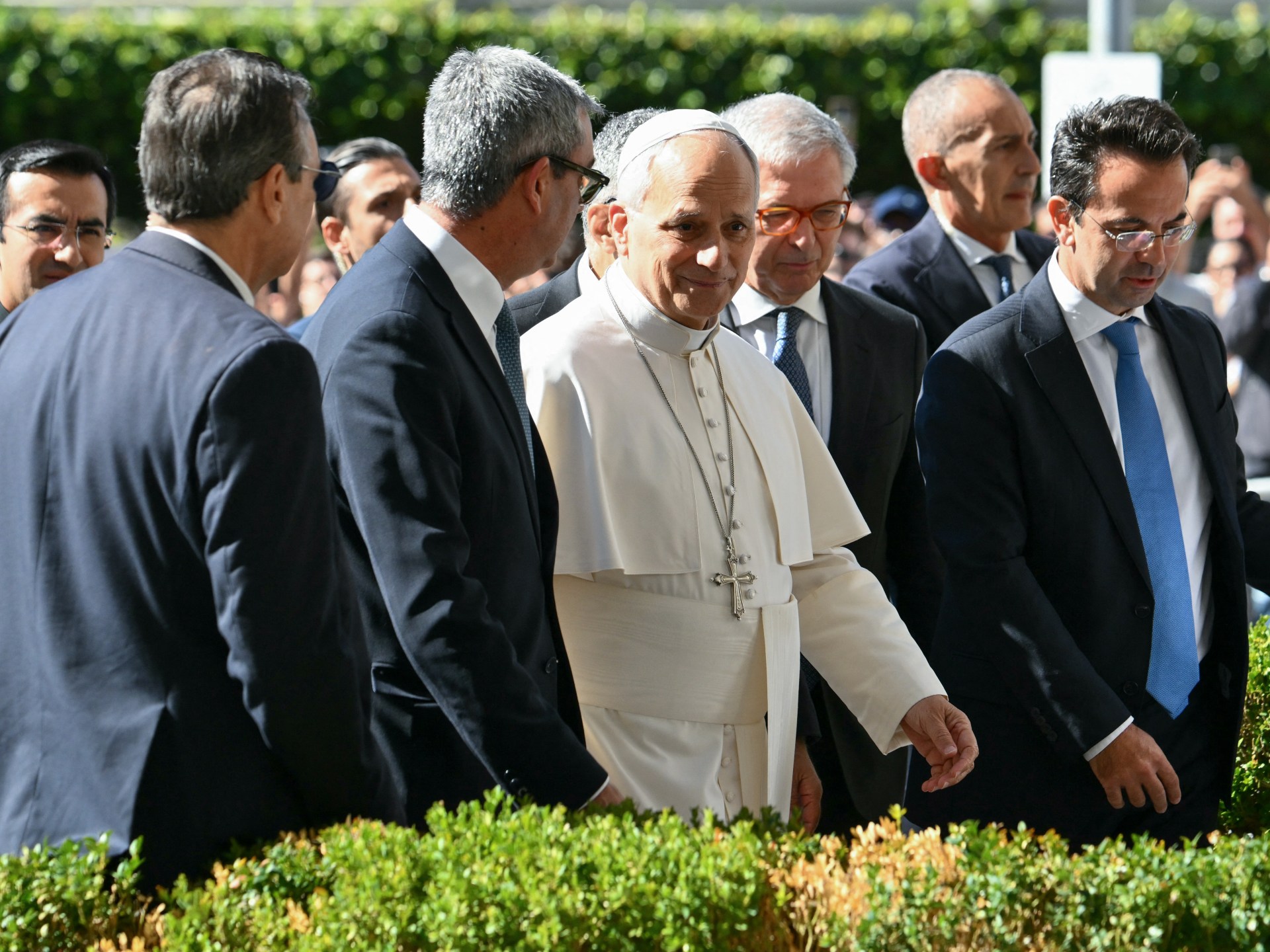
Geopolitical & Core Developments
The Holy See faces a profound governance and institutional challenge following the disclosure that Pope Leo, 71, has been diagnosed with lung cancer following surgery to excise a malignant growth at Rome's Gemelli University Hospital. Vatican medical bulletins confirmed that surgeons successfully performed a partial lung resection, indicating the pontiff is in stable condition while entering a comprehensive post-operative oncology regimen.
The health of the Bishop of Rome carries immense weight across international relations. The Holy See functions not merely as the spiritual core for 1.4 billion Roman Catholics worldwide, but as an active sovereign entity holding permanent observer status at the United Nations and maintaining diplomatic relations with over 180 countries. Pope Leo's tenure has been characterized by active intervention in conflict mediation, particularly across fractured regions in the Global South, Eastern Europe, and the Middle East. With medical specialists signaling an extensive convalescence period, direct papal oversight of the Roman Curia and sensitive diplomatic initiatives will be curtailed, shifting immediate administrative responsibilities toward the Secretariat of State.
Global Trade & Economic Ripples
While the direct operational mechanisms of global commerce are rarely tied to Vatican administrative apparatus, the broader implications of geopolitical stabilization efforts frequently intersect with the Holy See's soft-power diplomacy. The pontiff has served as a central humanitarian mediator in negotiations concerning maritime grain corridors, trade routes through contentious choke points, and sanctions relief discussions aimed at alleviating humanitarian crises in developing economies.
Financial markets consistently track major institutional shifts in sovereign entities with sovereign wealth holdings and real estate portfolios. The Vatican Bank, officially known as the Institute for the Works of Religion (IOR), oversees significant assets across European markets. Concurrently, major Catholic international aid networks—including Caritas Internationalis—rely heavily on papal authority to negotiate logistics corridors and customs dispensations during ongoing supply-chain blockades. A potential leadership vacuum could temporarily decelerate bilateral protocols that ease trade frictions in regions where faith-based diplomatic backchannels complement formal economic frameworks.
Related Intelligence: Sovereign Wealth Sport Investments Face Scrutiny Amid Manchester City Legal Battle
International Reactions & Diplomatic Stances
Global leaders and multilateral organizations reacted swiftly to the medical bulletin released from Rome. The Secretary-General of the United Nations issued a statement recognizing the pontiff's enduring commitment to international dialogue, sustainable development, and humanitarian protection in combat zones. Across European capitals, heads of state offered formal messages of support, emphasizing the critical role the Holy See maintains in preserving regional stability and mediating cross-border humanitarian agreements.
In Washington, the White House conveyed prayers for recovery while reiterating appreciation for Vatican efforts on global migration reform and international debt restructuring for low-income nations. Simultaneously, religious and political leaders across the Global South—where the demographic and operational footprint of the Catholic Church is expanding most rapidly—expressed acute concern. Diplomatic analysts note that sustained medical leaves within the Holy See traditionally trigger discreet preparations among the College of Cardinals, shifting strategic postures as various geographic blocs evaluate institutional leadership.
Strategic Outlook & Future Scenarios
In the immediate term, Vatican administration will operate under heightened devolution of authority. The Cardinal Secretary of State is expected to manage official state visits and diplomatic engagements, while canonical affairs proceed under established administrative protocols. However, major diplomatic missions and upcoming apostolic journeys planned for high-stakes geopolitical summits will likely face deferral or cancellation.
Should the oncology treatments restrict the pontiff's capacity for sustained governance over the medium term, questions surrounding potential resignation versus delegated governance will inevitably resurface, mirroring precedents set over the past two decades. The College of Cardinals will face increasing scrutiny as global observers assess the balance of influence between reformist factions advocating decentralized administrative control and traditionalists seeking centralized institutional reinforcement. In the coming weeks, medical updates from Gemelli Hospital will dictate not only the pace of papal convalescence, but also the momentum of the Holy See's extensive diplomatic machinery.
Join Our Official WhatsApp Channel
Receive live commodity alerts, policy changes, and commercial intelligence directly on WhatsApp.