
Middle East Escalation Risks Energy Supply Chains Following Strikes on Sanaa
Renewed military strikes on energy infrastructure in Sanaa by the Saudi-led coalition threaten regional shipping stability, stoking immediate energy security concerns across import-dependent South Asian markets.
The Core Development
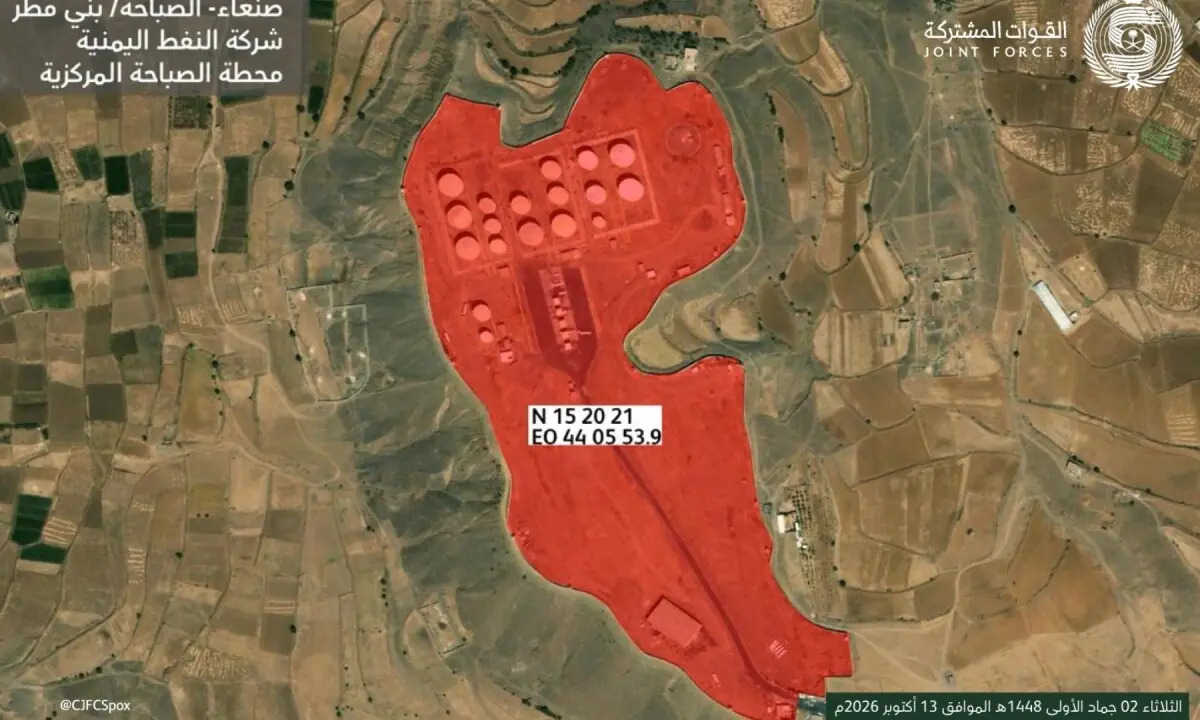
A sharp military escalation has struck the Arabian Peninsula as the Saudi-led coalition reportedly executed targeted strikes against an oil installation in Yemen's capital, Sanaa. According to assertions by Houthi authorities, the air assault struck an oil storage and distribution facility operated by the Yemen Petroleum Company situated along the western peripheries of the metropolitan area.
The operation followed an unprecedented formal evacuation directive issued by the Riyadh-led coalition, instructing civilians and non-combatant personnel to immediately vacate the facility and adjacent areas. This directive marks the coalition's first explicit civilian dispersal warning for Sanaa since regional hostilities reignited following prolonged fragile truces. Coalition representatives cited recent retaliatory measures against strategic infrastructure within Saudi Arabia, including unmanned aerial and missile incursions directed at the Kingdom's aviation terminals and petrochemical facilities. The direct confrontation targeting critical logistical nodes represents a volatile expansion of operational parameters, heightening broader regional security concerns.
Commercial & Economic Implications
For Pakistan’s macroeconomic framework and domestic commercial landscape, disruptions in the Arabian Peninsula reverberate through interconnected commercial channels. Pakistan remains acutely sensitive to crude oil volatility, relying heavily on Gulf petroleum imports to satisfy domestic energy, agricultural, and transportation demands. Escalating conflict near the Bab el-Mandeb strait and Southern Red Sea directly inflates marine war risk premiums, escalating freight rates for maritime cargo bound for Karachi Port and Port Qasim.
In the domestic wholesale distribution and retail sectors, any upward revision in international benchmark crude prices translates immediately into higher ex-refinery prices and transport tariffs. Small-to-medium retail enterprises and commercial distributors in trading centers such as Lahore, Karachi, and Faisalabad face compounding operational overheads. With freight carriers likely passing on fuel surcharges, the pricing of essential consumer goods, manufactured raw materials, and agricultural inputs will face immediate upward momentum, exacerbating domestic headline inflation and straining working capital cycles across retail supply chains.
Related Intelligence: Houthi Threats Against Saudi Aramco Ignite Global Energy Security Concerns
Stakeholder Perspectives & Market Reactions
Energy analysts, logistics operators, and merchant associations have responded with heightened caution. Domestic trade federations, including the Federation of Pakistan Chambers of Commerce and Industry (FPCCI), continue to highlight that elevated global fuel expenditures directly squeeze distributor margins and erode household discretionary spending. Supply chain executives have raised red flags concerning heightened vulnerability along sea lanes, noting that geopolitical volatility in the Gulf corridor directly impacts vessel availability, insurance underwriting terms, and port turnaround times.
Official quarters in Islamabad remain watchful over foreign exchange dynamics, as any sustained premium on imported hydrocarbons tightens balance of payments constraints managed by the State Bank of Pakistan. Meanwhile, international commodity desks have adjusted crude benchmarks higher, factoring in risk premia associated with potential reciprocal operations against upstream infrastructure across the Gulf Cooperation Council (GCC) economies.
Forward Outlook & Key Watchpoints
Over the coming weeks, market participants must monitor retaliatory actions across key maritime choke points, particularly commercial shipping lanes passing through the southern Red Sea and Gulf of Aden. Should hostilities extend to offshore interdictions or commercial tanker harassment, insurance underwriters are projected to institute further rate hikes on maritime transit.
On the domestic front, the immediate focal point centers on the fortnightly petroleum pricing review by Pakistan's Oil and Gas Regulatory Authority (OGRA). A continuation of regional strikes will constrain fiscal flexibility, requiring economic managers to navigate consumer price relief against currency reserves. Stakeholders in commercial distribution, industrial manufacturing, and agricultural transport must hedge procurement timelines and prepare for heightened volatility in operating logistics throughout the coming quarter.
Join Our Official WhatsApp Channel
Receive live commodity alerts, policy changes, and commercial intelligence directly on WhatsApp.