
PML-N Dismisses KP Coalition Speculation Amid Widening Political Frictions
PML-N leader Talal Chaudhry has dismissed power-sharing prospects in Khyber Pakhtunkhwa, criticizing JUI-F and signaling persistent political fragmentation that threatens fiscal and regional economic governance.
The Core Development
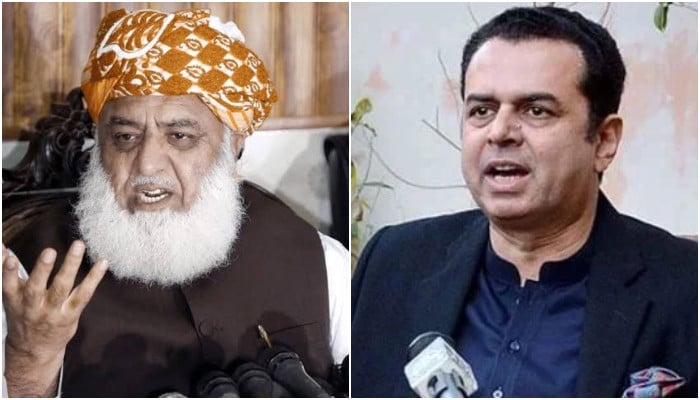
Senior Pakistan Muslim League-Nawaz (PML-N) leader Senator Talal Chaudhry has firmly rejected rumors regarding the formation of a broader political coalition or power-sharing arrangement in Khyber Pakhtunkhwa (KP). Speaking during an official media engagement, Chaudhry clarified that the federal-aligned establishment holds no operational interest in piecemeal governance compromises within the province, taking direct aim at Jamiat Ulema-e-Islam-Fazl (JUI-F) chief Maulana Fazlur Rehman. Chaudhry underscored that provincial administrative mandates must reflect electoral outcomes rather than tactical post-election bargaining.
The development highlights an entrenched divide between the federal ruling alliance and key opposition forces operating across the northern belt. Khyber Pakhtunkhwa remains politically dominated by Pakistan Tehreek-e-Insaf (PTI)-backed lawmakers, while intermediary regional power brokers, notably the JUI-F, have frequently signaled leverage over parliamentary dynamics. Chaudhry's assertions follow a series of speculative backchannel discussions aimed at stabilizing institutional relations between Peshawar and Islamabad. By drawing a hard line against formal power-sharing overtures, the federal party leadership has underscored that governance responsibilities in KP rest squarely on the provincial administration's shoulders, diminishing near-term prospects for cooperative federalism.
Commercial & Economic Implications
From a macroeconomic and commercial perspective, deepening administrative polarization poses acute challenges for Pakistan's recovery program. Khyber Pakhtunkhwa serves as a pivotal overland trade conduit connecting domestic wholesale hubs in Punjab and Sindh with regional transit points into Afghanistan and Central Asia. Lingering political standoffs undermine investor sentiment, delaying critical provincial tax reforms, agricultural revenue integration, and energy sector enforcement—prerequisites under the International Monetary Fund's Extended Fund Facility (EFF).
For retail trade and distribution networks, prolonged federal-provincial acrimony introduces unpredictability into logistics and wholesale operations. Industrial units along the Peshawar-Rawalpindi economic belt face recurring disruptions when political rhetoric escalates into legislative impasses or roadside protests. Moreover, fractured coordination on sales tax harmonization between the Federal Board of Revenue (FBR) and the Khyber Pakhtunkhwa Revenue Authority (KPRA) raises compliance costs for nationwide distributors. Wholesale suppliers and FMCG manufacturers operating across inter-provincial borders remain exposed to inconsistent municipal levies, inconsistent market enforcement schedules, and sluggish infrastructure development funding allocations.
Related Intelligence: Federal Government Defends Governor Rule Imposition in Khyber Pakhtunkhwa
Stakeholder Perspectives & Market Reactions
Market participants and commercial associations have viewed the hardening political posturing with measured caution. Chamber representatives across Peshawar, Mardan, and Hazara have expressed concern that unresolved friction between Islamabad and the provincial secretariat risks sidelining critical infrastructure grants, regional road networks, and border trade modernization initiatives. The All Pakistan Traders Association has consistently urged cross-party consensus on foundational economic policies to insulate supply chains from volatile regional politics.
Legal and policy analysts note that the rhetoric mirrors broader national realignment following the passage of major constitutional amendments. Analysts assert that Chaudhry's direct remarks reflect the ruling coalition's strategy to contain JUI-F's intermediary influence while insulating the federal fiscal framework from regional compromise. Meanwhile, political observers from the JUI-F camp have maintained that the province faces acute administrative and security challenges that necessitate broad-based political dialogue rather than unilateral federal dismissals.
Forward Outlook & Key Watchpoints
The immediate watchpoint will be the trajectory of provincial budgetary disbursements and revenue harmonization negotiations scheduled in upcoming inter-provincial coordination sessions. Stakeholders are closely monitoring whether administrative rhetoric translates into stalled legislative approvals for federal-provincial energy conservation policies and integrated taxation frameworks. If political confrontations persist without operational dialogue, the execution of critical developmental outlays across KP will experience further deceleration. Observers must monitor key fiscal indicators, including provincial surplus targets mandated by multilateral lenders, as well as freight continuity along key transport corridors, to assess the tangible economic fallout of this administrative divide.
Join Our Official WhatsApp Channel
Receive live commodity alerts, policy changes, and commercial intelligence directly on WhatsApp.