
Egypt President Sisi Pledges Exit by 2030 Ruling Out Constitutional Amendment
Egyptian President Abdel Fattah al-Sisi has declared he will step down when his current presidential term concludes in 2030, promising no constitutional alterations to extend his rule.
The Core Development
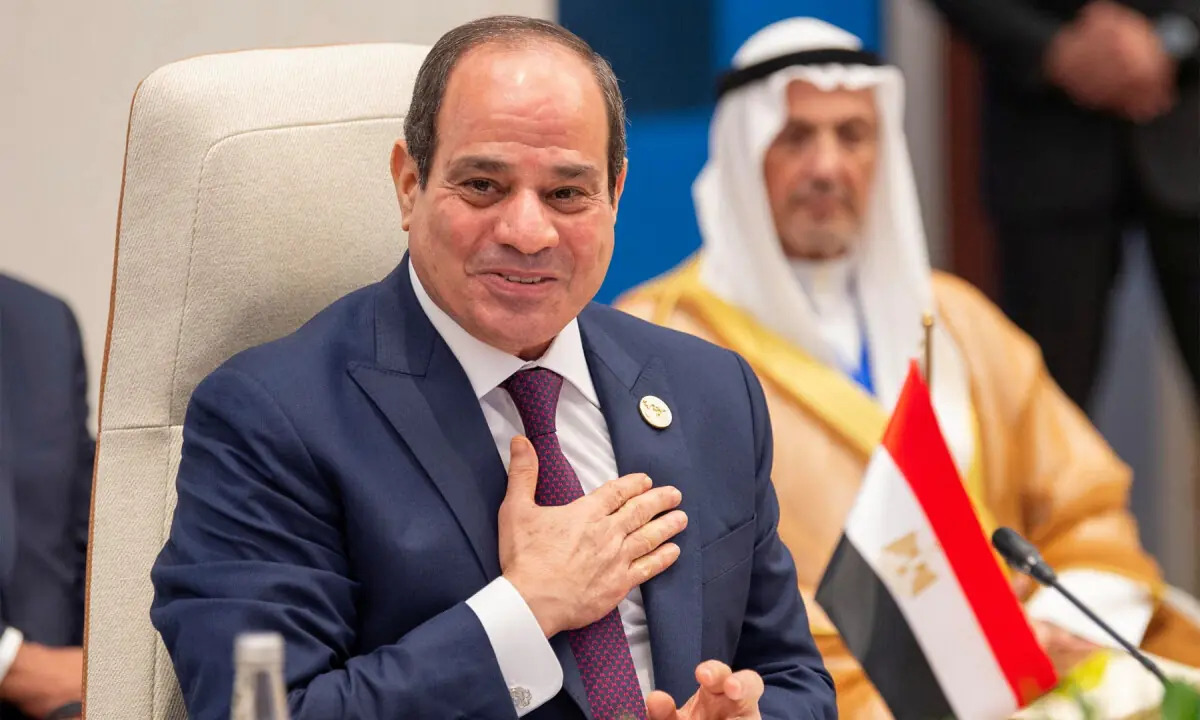
Egyptian President Abdel Fattah al-Sisi officially declared on Saturday that he will step down from office once his current term expires in 2030, firmly categorizing the issue of presidential succession as entirely resolved. Speaking before state dignitaries and newly commissioned officers at an Egyptian Military Academy graduation ceremony in the New Administrative Capital east of Cairo, the 71-year-old head of state affirmed that the national constitution would remain unamended to prolong his rule.
Sisi, a former military general who initially assumed the presidency in 2014, secured his third six-year term following national elections in late 2023. Constitutional revisions ratified in 2019 had previously expanded the presidential term from four to six years while enabling him to pursue a third mandate. Addressing speculation surrounding another potential amendment to preserve his authority, Sisi stated that his tenure would definitively conclude in 2030. The announcement sets an explicit timeline for an eventual institutional transition in the Arab world's most populous nation.
Commercial & Economic Implications
For international commerce and bilateral trade corridors linking South Asia with the Middle East and North Africa, clarity regarding political continuity in Cairo carries practical ramifications. Egypt functions as the guardian of the Suez Canal, a vital chokepoint through which substantial volumes of Pakistani exports to European destinations and imported raw materials navigate. Prolonged domestic predictability in Egypt remains essential for shielding global maritime transport chains from sudden structural dislocations.
From a bilateral perspective, trade relations between Islamabad and Cairo have increasingly centered on wholesale textiles, chemical products, pharmaceuticals, and agricultural commodities such as rice and seasonal produce. Pakistani commercial stakeholders, including trading houses reliant on maritime freight stability, regard sovereign predictability in Egypt as a cornerstone for maintaining competitive logistical routes. Unforeseen political disruptions in North Africa typically exacerbate marine freight insurance premiums, directly inflating retail shelf costs for imported components, packaging materials, and general merchandise across Pakistani wholesale hubs.
Related Intelligence: IMF Urges Comprehensive Debt Relief as Developing Economies Face Severe Inflation
Stakeholder Perspectives & Market Reactions
International capital markets and regional institutional bodies have observed the announcement with cautious interest. Over recent years, Cairo has faced substantial macroeconomic headwinds, characterized by persistent inflationary pressures, foreign currency deficits, and reliance on rescue financing packages facilitated by Gulf allies and the International Monetary Fund. Economists and sovereign risk analysts emphasize that policy consistency and predictable governance structures are critical prerequisites for safeguarding multi-billion-dollar infrastructure developments and attracting foreign direct investment.
Regional corporate bodies and commercial chambers in Karachi and Lahore have noted that sovereign stability along the Red Sea and Mediterranean littoral areas underpins consumer goods pricing across developing economies. Legal and political observers in Cairo pointed out that clarifying an exit horizon five years in advance facilitates a more orderly transition roadmap, lowering the risk premium frequently assigned by international lenders to nations undergoing open-ended executive rules.
Forward Outlook & Key Watchpoints
Attention across regional trade circles now pivots toward how Egypt will manage its vast sovereign debt profile and conclude massive megaprojects, such as the New Administrative Capital, ahead of the 2030 deadline. International monitoring will center on structural fiscal adjustments, the gradual privatization of state-owned enterprises, and the emergence of potential successors within institutional ranks.
Over the next five years, key watchpoints will encompass Cairo's adherence to regulatory reforms requested by multilateral lenders, stabilization of Egyptian pound exchange rates, and sustained freedom of navigation across the Suez maritime zone. For South Asian enterprises, sustained tracking of North African stability will remain a priority as global supply networks navigate shifting geopolitical dynamics across adjacent maritime trade lanes.
Join Our Official WhatsApp Channel
Receive live commodity alerts, policy changes, and commercial intelligence directly on WhatsApp.