
Pacific Storm Trudy Threatens Mexican Infrastructure and Agricultural Trade Hubs
Tropical Storm Trudy advances toward Mexico's Pacific coastline, threatening severe flooding and infrastructure disruptions amid an intense storm season that strains local logistics and key commodity production hubs.
Geopolitical & Core Developments
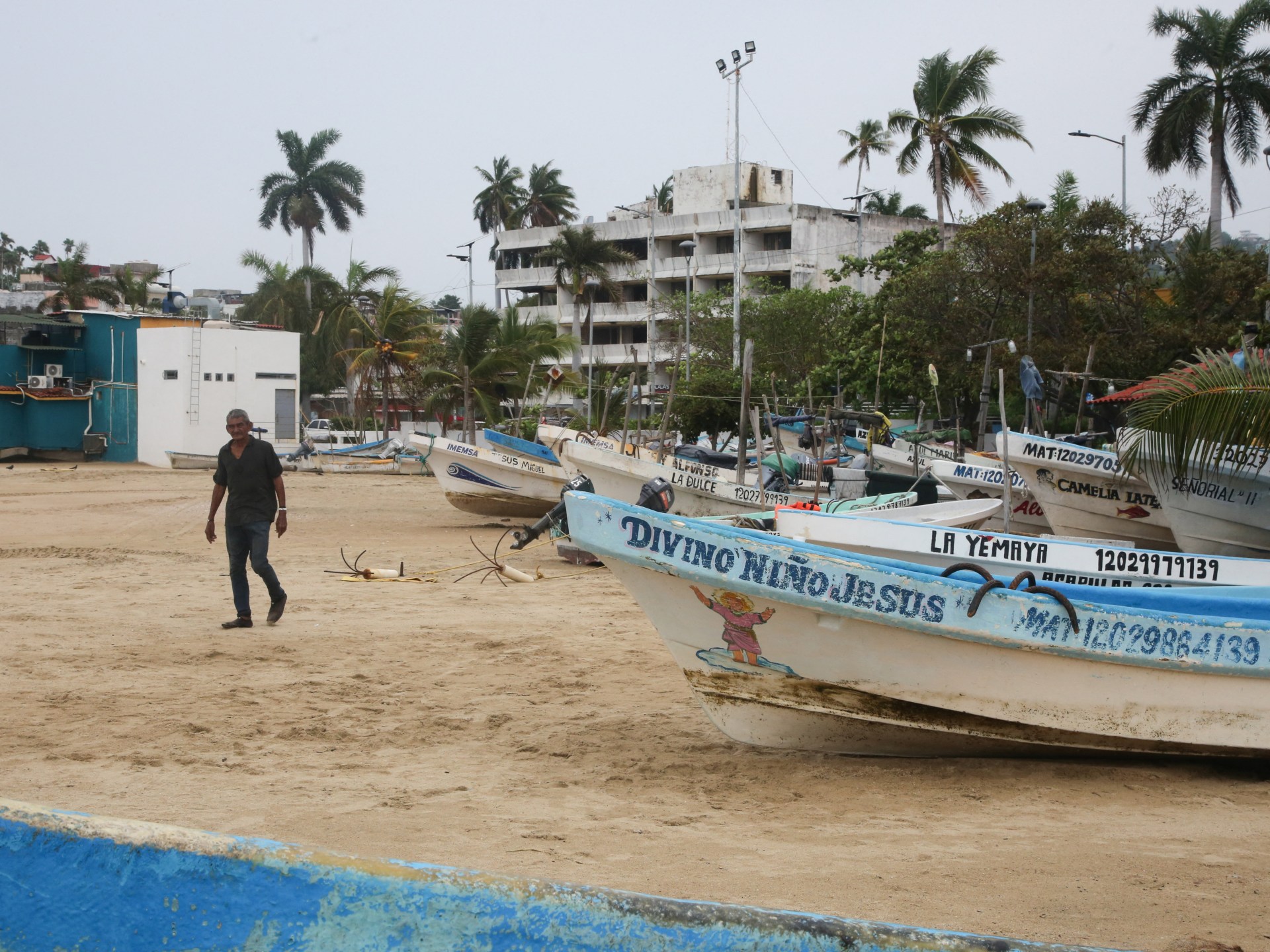
Tropical Storm Trudy has formed off Mexico's southwestern Pacific coastline, marking the latest atmospheric threat in an unusually relentless storm cycle for the Latin American nation. Tracking toward the vulnerable coastal regions of Guerrero, Oaxaca, and Michoacan, the National Meteorological Service (SMN) and the United States National Hurricane Center (NHC) have issued high-priority warnings for catastrophic torrential downpours, life-threatening flash floods, and severe mudslides.
The system arrives as Mexican federal agencies under President Claudia Sheinbaum's administration face compounding logistics and civil protection challenges. Months of successive tropical depressions and hurricanes have already degraded regional drainage systems and compromised road networks throughout southern Mexico. The strategic stakes for Mexico City center on public safety, civil defense deployment, and maintaining continuity of critical Pacific infrastructure, particularly as coastal state governments activate emergency evacuation centers and mobilize national guard units to reinforce vulnerable hillside communities.
Global Trade & Economic Ripples
The recurrence of severe meteorological events along Mexico's Pacific seaboard generates critical downstream effects on agricultural production and cross-border commercial lanes. Guerrero and Oaxaca serve as key producers of domestic staples, including maize and beans, as well as export commodities such as coffee, tropical fruits, and artisanal mezcal. Unchecked precipitation saturates agricultural soils, delaying harvesting schedules and raising the specter of localized crop losses that could elevate domestic food inflation metrics.
From a logistics standpoint, the coastal corridor interfaces directly with vital Pacific transport arteries. Heavy runoff threatens major overland highways connecting southern manufacturing and mining hubs with central Mexico and key port facilities, such as Lazaro Cardenas. Although offshore petroleum extraction remains largely concentrated in the Gulf of Mexico, any extended disruption to domestic overland transit channels complicates freight flows, elevates regional supply chain costs, and pressures the Mexican peso during periods of storm-induced fiscal diversion toward emergency relief outlays.
Related Intelligence: Bangladesh Measles Crisis Signals Regional Supply Chain and Health Risks
International Reactions & Diplomatic Stances
Multilateral bodies and humanitarian monitors are closely evaluating Mexico's institutional response capacity. The United Nations Office for the Coordination of Humanitarian Affairs (OCHA) and regional disaster response mechanisms have placed assessment teams on standby to support cross-border relief mobilization if requested by federal authorities. Neighboring Central American administrations, similarly susceptible to eastern Pacific storm corridors, have initiated shared hydrological data monitoring through regional meteorology frameworks.
Market analysts note that financial rating agencies are monitoring municipal and sovereign budget flexibility given the mounting cumulative costs of successive disaster recoveries. Institutional investors continue to evaluate how environmental volatility and repetitive climate shocks will factor into federal infrastructure expenditures and state-level sovereign risk assessments across emerging markets.
Strategic Outlook & Future Scenarios
In the immediate term, Trudy's trajectory suggests rapid dissipation once the system makes landfall over mountainous interior terrain, yet the residual moisture footprint poses severe sustained hazards. The primary risk trajectory over the next 48 to 72 hours involves prolonged soil saturation, precipitating mudslides that could isolate remote communities and sever critical commercial arteries.
Longer-term strategic implications demand structural enhancements to Mexico's Pacific logistics corridors and disaster preparedness funds. As the 2024 eastern Pacific hurricane season concludes, regional policymakers and trade bodies must reassess infrastructure resilience benchmarks to safeguard trans-Pacific supply chains, agricultural supply resilience, and regional municipal stability against increasingly frequent, disruptive climate events.
Join Our Official WhatsApp Channel
Receive live commodity alerts, policy changes, and commercial intelligence directly on WhatsApp.