
PM Shehbaz Cites IMF Progress as Centre-PTI Tensions Persist
Prime Minister Shehbaz Sharif highlighted upcoming IMF disbursements during a federal cabinet meeting convened amid escalating political friction with the PTI opposition.
The Core Development
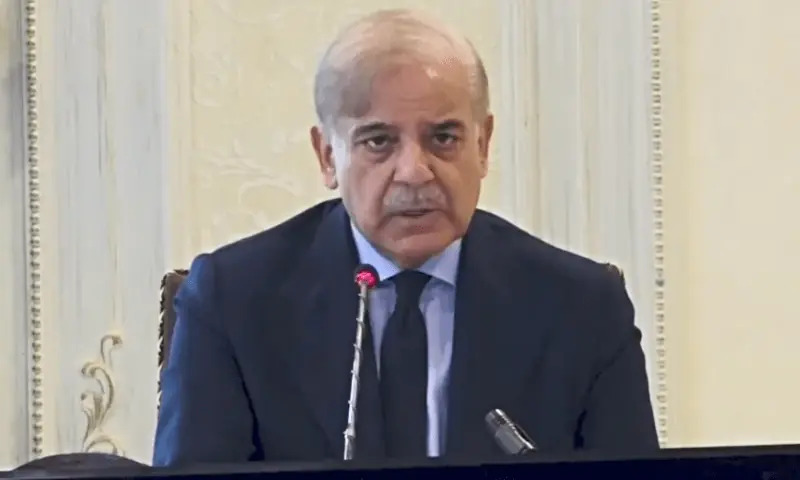
Prime Minister Shehbaz Sharif convened a high-stakes federal cabinet meeting in Islamabad, addressing the nation's pressing economic trajectory amidst a volatile political backdrop characterized by heightened tensions between the federal government and the Pakistan Tehreek-e-Insaf (PTI) opposition. Taking place at the Prime Minister's Office, the session focused heavily on the government's ongoing stabilization agenda, structural reforms, and the security paradigm.
At the outset of his comprehensive address, the premier detailed the status of Pakistan's vital bailout program with the International Monetary Fund (IMF). Recalling his diplomatic engagements on the sidelines of the United Nations General Assembly (UNGA) last month—specifically his crucial interaction with IMF Managing Director Kristalina Georgieva—PM Shehbaz expressed strong optimism regarding the immediate financial horizon. He confirmed that following the successful finalization of the staff-level agreement, the administration anticipates unlocking the critical $1.2 billion financial tranche within the current calendar year. Furthermore, the prime minister briefed the cabinet on his subsequent diplomatic and economic outreach in London, where he held strategic consultations with senior executives and leadership figures from leading global financial institutions to bolster investor confidence.
Commercial & Economic Implications
The imminent arrival of the $1.2 billion IMF tranche holds profound implications for Pakistan's macroeconomic stability, foreign exchange reserves, and commercial liquidity. For wholesale distributors, retail trade networks, and industrial manufacturers operating across the country, sustained engagement with international lenders provides a vital anchor against severe currency depreciation and soaring import costs. Persistent inflationary pressures have squeezed consumer purchasing power over past quarters, making fiscal predictability an absolute prerequisite for market recovery.
By emphasizing strict fiscal discipline, the executive leadership aims to stabilize sovereign debt metrics and reassure international supply chain partners. However, business leaders and market analysts continue to monitor the transmission of stabilization policies down to the retail level. While macro indicators such as exchange rate stability and reserve accumulation show encouraging signs, ordinary consumers and domestic enterprises await tangible relief in energy tariffs and borrowing costs. Sustained economic recovery ultimately depends on translating high-level financial agreements into structural reforms that ease the cost of doing business and stimulate domestic manufacturing output.
Related Intelligence: Israel's Political Shift Signals Deepening Geopolitical and Economic Turmoil
Stakeholder Perspectives & Market Reactions
A central theme of the prime minister's address was the unprecedented degree of institutional alignment underpinning the current economic program. PM Shehbaz specifically commended both the political leadership and the military establishment for working in tandem day and night to enforce strict fiscal discipline and advance structural benchmarks required by multilateral creditors. This unified governance approach has been credited by administration officials with preventing a more severe balance-of-payments crisis.
Conversely, the political landscape remains fraught with friction. The federal cabinet meeting unfolded against the backdrop of an intensifying standoff between the ruling coalition and the PTI-led opposition, particularly regarding counterterrorism policies, governance legitimacy, and legislative priorities. While business associations and trade bodies have largely welcomed the economic reassurance provided by the IMF update, legal experts and civil society stakeholders caution that prolonged political polarization could undermine long-term policy consistency and dampen foreign direct investment sentiment.
Forward Outlook & Key Watchpoints
Looking ahead, the primary focus for the federal government will center on securing formal executive board approval from the IMF for the disbursement of the $1.2 billion tranche. Policymakers face a demanding legislative and administrative timeline to implement structural benchmarks, particularly regarding tax administration reforms, energy sector circular debt management, and state-owned enterprise restructuring.
Key watchpoints for domestic markets and international observers in the coming weeks include the trajectory of domestic inflation figures, the central bank's monetary policy adjustments, and the government's ability to navigate legislative hurdles amid ongoing political confrontation with the opposition. Successful execution of these fiscal targets will determine whether Pakistan can transition from short-term crisis management to sustainable, export-led economic growth.
Join Our Official WhatsApp Channel
Receive live commodity alerts, policy changes, and commercial intelligence directly on WhatsApp.