
Peshawar School Tragedy: Police Book Owners and Contractor Following Fatal Collapse
Peshawar police have booked the administration and contractor of a private school following a catastrophic structural collapse that claimed 31 lives and injured 52 individuals.
The Core Development
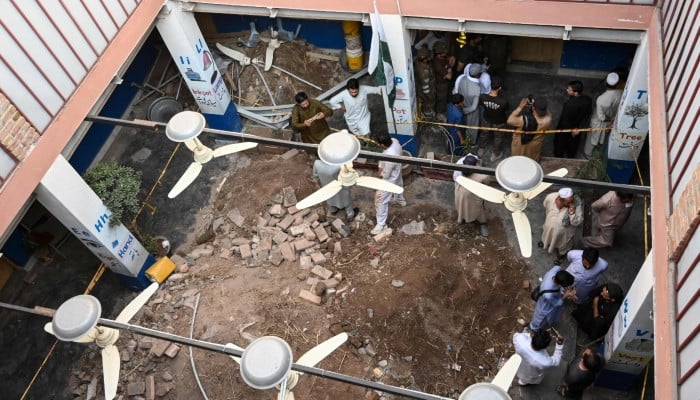
Law enforcement authorities in Peshawar have registered a formal criminal case against the owners, shareholders, and primary civil contractor of a private school following a catastrophic structural failure. The First Information Report (FIR) was lodged by local police at the Agha Mir Jani Shah police station acting as the official complainant. According to the police records, the disaster resulted in the death of 30 students and a female teacher, while at least 52 other individuals sustained severe injuries.
The incident occurred during active school hours, causing significant portions of the multi-story structure to give way. Rescue operations, coordinated by district emergency services and civil administration, continued through the day to extricate victims pinned beneath concrete slabs and compromised masonry. Preliminary site reviews indicate significant deviations from established building codes, substandard construction materials, and a lack of municipal clearance for commercial structural loads. Investigators have invoked relevant sections of the Pakistan Penal Code pertaining to criminal negligence, structural malpractice, and involuntary manslaughter.
Commercial & Economic Implications
The tragedy highlights systemic vulnerabilities within Pakistan's private social infrastructure, with immediate ramifications for regional real estate and construction supply chains. Khyber Pakhtunkhwa's private education sector represents a substantial capital footprint; however, rapid commercialization has routinely bypassed rigorous technical verification. In the wake of the incident, urban development authorities are expected to mandate immediate structural audits, likely halting non-compliant commercial building projects across Peshawar and surrounding districts.
From a market standpoint, heightened scrutiny will disrupt the local market for construction inputs. Regulatory crackdowns on low-grade cement, non-certified rebar, and unlicensed contracting operations will increase compliance costs for private enterprise. Wholesale building material distribution networks, already facing inflationary pressures, may see altered demand dynamics as property developers seek verified, certified materials to avoid legal exposure. Furthermore, commercial property insurance underwriting—historically underutilized in Pakistan's domestic real estate landscape—faces growing demand from institutional lenders and corporate educational networks seeking to hedge against catastrophic liability.
Related Intelligence: Maduro Pleads Not Guilty in New York Court to Expanded US Conspiracy Charges
Stakeholder Perspectives & Market Reactions
The incident has provoked severe public outcry alongside stern declarations from provincial authorities. The Chief Minister of Khyber Pakhtunkhwa directed district oversight commissions to seal educational facilities functioning in unapproved buildings. Legal professionals note that prosecuting corporate shareholders alongside operational contractors sets an important legal precedent in corporate manslaughter cases involving infrastructure neglect.
Conversely, trade bodies representing private school associations have expressed profound grief while cautioning against broad-brush regulatory actions that could prematurely shutter legitimate educational institutions. Meanwhile, civil engineering and architectural councils have reiterated calls for the provincial legislature to enforce the National Building Code of Pakistan strictly. Market analysts point out that municipal governance lapses, often exacerbated by systemic inspection deficits, require comprehensive institutional reforms rather than ad-hoc punitive measures.
Forward Outlook & Key Watchpoints
The immediate focus shifts to the judicial process as local courts review bail petitions, formal indictments, and custody remands for the named defendants. The district administration has established an independent inquiry board comprising structural engineers and forensic investigators, tasked with submitting a definitive technical appraisal within ten days.
Moving forward, stakeholders must monitor whether the provincial assembly enacts modernized building safety legislation with mandatory third-party architectural certification. Commercial enterprises, property developers, and institutional education operators across Pakistan will face tighter oversight, potential municipal permit revocations, and stringent compliance audits throughout the coming fiscal quarters. The long-term impact hinges on whether state enforcement establishes sustained accountability across private infrastructure developments.
Join Our Official WhatsApp Channel
Receive live commodity alerts, policy changes, and commercial intelligence directly on WhatsApp.