
Pakistan School Roof Collapse Leaves Over Thirty Dead Amid Infrastructure Scrutiny
A devastating school roof collapse in Pakistan claimed the lives of at least 34 people, prompting international concern over municipal safety standards, governance risks, and public sector development efficacy.
Geopolitical & Core Developments
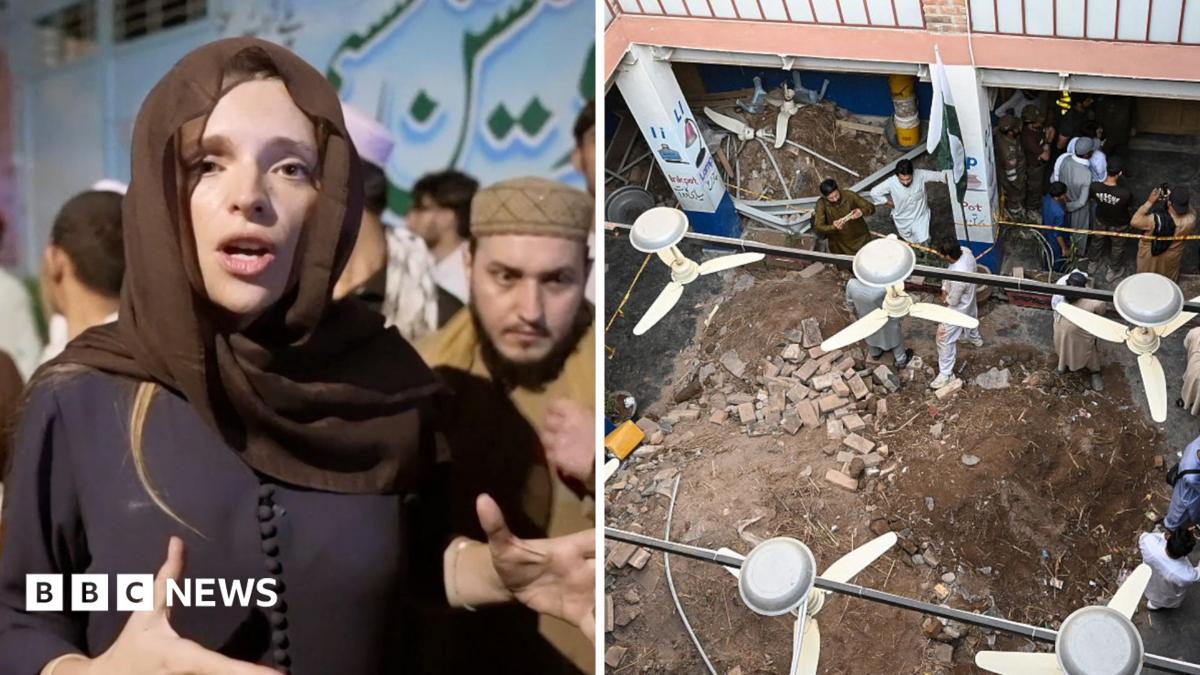
A catastrophic infrastructure failure at a school in Pakistan has resulted in the deaths of at least 33 pupils and one teacher, according to municipal and hospital officials, leaving more than a dozen others critically injured. The disaster unfolded during standard classroom hours when the structural integrity of the facility failed precipitously, trapping dozens beneath heavy debris. Local rescue crews, supplemented by paramilitary responders and neighborhood volunteers, struggled through the rubble for hours to extract survivors and transport victims to regional trauma centers.
This incident casts a harsh light on domestic governance vulnerabilities and long-standing deficits in basic civil infrastructure. Across South Asia, urban and rural public structures frequently suffer from substandard construction practices, administrative corruption, and a persistent lack of structural inspections. In Pakistan, fiscal constraints exacerbated by macroeconomic volatility have repeatedly forced deep cuts to provincial capital development budgets, leaving foundational social infrastructure vulnerable to environmental wear and physical collapse. Federal and provincial authorities face immediate public outcry, demanding independent judicial inquiries and the immediate prosecution of negligent building contractors and supervisory boards.
[Global Trade](/news/us-midterm-voter-discontent-signals-global-trade-shifts) & Economic Ripples
While localized in immediate physical impact, the tragedy intersects with critical economic and sovereign financing dynamics. Pakistan remains under stringent macroeconomic stabilization measures orchestrated alongside multilateral lenders, including the International Monetary Fund and the World Bank. Incidents of this magnitude underscore the social costs of prolonged austerity, where non-debt public capital expenditures are heavily compressed to service external obligations.
From a market perspective, infrastructural vulnerabilities elevate sovereign risk profiles. The structural inability to guarantee basic safety across public assets dampens long-term human capital formation and increases institutional overhead for foreign direct investment. Furthermore, the incident places renewed scrutiny on procurement protocols for international building materials and engineering standards, directly implicating regional supply chains for cement, steel rebars, and aggregate commodities. Analysts anticipate provincial administrations may temporarily halt ongoing municipal tenders to execute sweeping code audits, which could introduce localized delays in construction timelines and material dispatches.
Related Intelligence: US Midterm Voter Discontent Signals Major Shifts for Global Trade Policy
International Reactions & Diplomatic Stances
Multilateral bodies and foreign diplomatic missions have expressed formal condolences while discreetly signaling the urgent need for institutional remediation. Representatives from United Nations agencies, including UNICEF and UNESCO, issued statements emphasizing that equitable access to education cannot be separated from fundamental physical safety and robust school infrastructure. Regional observers expect global development partners to demand greater oversight mechanisms on future grants and structural development programs.
Diplomatic envoys from bilateral donor states underscored readiness to assist with emergency medical relief and engineering audits. Neighboring states and international non-governmental organizations have repeatedly warned that institutional decay within South Asian public educational facilities demands institutional intervention rather than temporary financial relief. Development economists argue that ongoing development assistance frameworks must incorporate stringent, third-party structural safety verification before funds are disbursed to provincial public works departments.
Strategic Outlook & Future Scenarios
Moving forward, the Islamabad administration confronts acute political and operational challenges. In the near term, public discontent could catalyze civil protests, particularly if administrative inquiries yield minimal accountability for local planning officials. The government is expected to announce emergency nationwide inspections of public education buildings, though executing these audits remains severely constrained by resource limitations and bureaucratic inertia.
In the medium term, external creditors and development banks are likely to mandate governance benchmarks tied specifically to municipal building codes, public procurement integrity, and asset resilience. Should public unrest escalate, domestic focus may pivot away from essential structural fiscal adjustments, generating friction in upcoming programmatic reviews with international financial institutions. The trajectory of this tragedy reinforces that civil infrastructure degradation is not merely a domestic administrative failure, but a core impediment to national economic stability and human capital preservation.
Join Our Official WhatsApp Channel
Receive live commodity alerts, policy changes, and commercial intelligence directly on WhatsApp.