
Peshawar School Roof Collapse Kills 29 Spurring Infrastructure Scrutiny
A catastrophic roof collapse at a private school in Peshawar has claimed 29 lives, intensifying scrutiny over building regulatory enforcement, structural integrity standards, and safety compliances across Pakistan's private education sector.
The Core Development
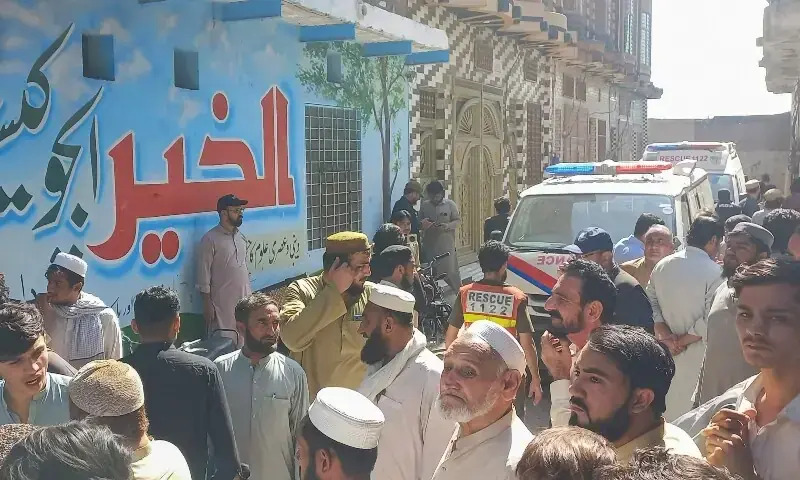
A catastrophic structural failure at a private school in Peshawar's Afridi Abad locality has resulted in the deaths of at least 29 people, mostly school-aged children, casting a harsh spotlight on urban infrastructure and building safety compliances. The incident occurred during routine operational hours on Thursday when the reinforced structure of the primary educational building caved in, trapping dozens underneath concrete debris.
Lady Reading Hospital (LRH) spokesperson Muhammad Asim confirmed that 28 bodies were brought to the provincial capital's premier tertiary healthcare facility, alongside multiple critically injured individuals. An additional casualty was confirmed by Dr. Abid Hussain, Medical Superintendent at the Naseerullah Khan Babar Memorial Hospital. Officials confirmed that the deceased comprise 28 students aged between seven and 16 years, alongside a female faculty member. Peshawar Deputy Commissioner Afaq Wazir stated that search and rescue operations, spearheaded by Rescue 1122 and local law enforcement, had concluded after rubble was cleared and survivors transported for emergency medical stabilization.
Commercial & Economic Implications
Beyond the immediate humanitarian tragedy, the incident exposes severe systemic vulnerabilities across the domestic construction, commercial real estate, and private social infrastructure segments in Khyber Pakhtunkhwa. Rapid urban densification in peripheral areas like Afridi Abad has created substantial demand for low-cost commercial property, prompting unchecked construction by private entities using sub-standard cement, uncertified structural steel, and unauthorized floor additions.
The tragedy is expected to induce short- to medium-term fiscal ripple effects. Wholesale distributors of building materials, hardware merchants, and general contractors in northern Pakistan face imminent municipal crackdowns and supply-chain audits. Independent educational institutions, which represent a significant segment of service-sector commerce, will likely encounter mandatory structural safety certifications, escalating compliance overheads. Insurers operating within urban real estate portfolios are projected to reassess operational liabilities, likely triggering premium revisions across commercial and institutional properties in secondary urban clusters.
Related Intelligence: Parliament Debates Governor Rule in Khyber Pakhtunkhwa Amid Economic Uncertainty
Stakeholder Perspectives & Market Reactions
Trade bodies, legal practitioners, and civil society groups have expressed grave concern over pervasive municipal lapses and the proliferation of unregulated educational ventures. The Khyber Pakhtunkhwa Private Schools Regulatory Authority (PSRA) faces acute pressure from parent advocacy groups and the legal fraternity to explain historic regulatory oversight failures. Legal analysts emphasize that weak enforcement of municipal building bylaws by development authorities constitutes actionable institutional negligence under provincial civil liability statutes.
Local commercial contractors and building material merchant associations note that inflationary pressures over the past two fiscal years have exacerbated the usage of substandard construction materials, including uncertified rebar and compromised aggregate mixes in small-scale commercial real estate. Industry insiders caution that absent a transparent structural code enforcement mechanism, private operators will continue cutting capital expenditures at the expense of life safety.
Forward Outlook & Key Watchpoints
In the immediate term, provincial authorities are anticipated to establish a formal inquiry tribunal to assess the precise technical triggers of the structural failure, focusing on architectural schematics, material testing of the collapsed slab, and official zoning approvals. Business operators and investors in the educational services sector must prepare for stringent municipal crackdowns, including mandatory third-party structural stability audits across Peshawar and adjoining districts.
Key watchpoints over the coming weeks include whether the Khyber Pakhtunkhwa government introduces unified building code amendments for private educational facilities, the implementation of penal actions against negligent property owners and municipal inspectors, and the downstream economic impact on municipal licensing timelines for commercial real estate developments across the province.
Join Our Official WhatsApp Channel
Receive live commodity alerts, policy changes, and commercial intelligence directly on WhatsApp.