
Ukraine Resumes Drone Strikes on Russian Oil Refineries as Energy Truce Collapses
Ukraine has resumed targeted drone strikes against Russian oil refineries following the collapse of an informal energy ceasefire, elevating volatility across international refined petroleum markets.
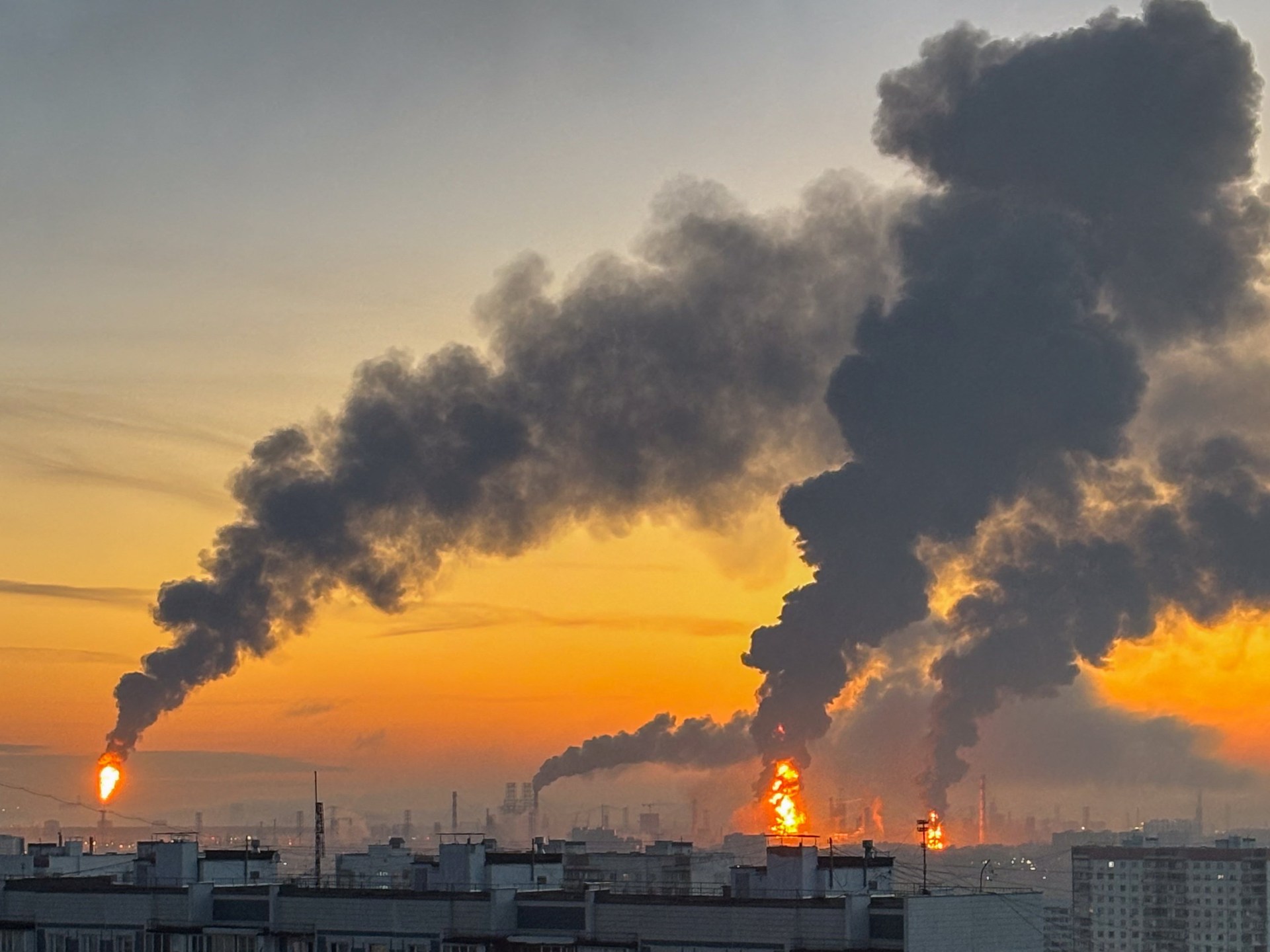
Geopolitical & Core Developments
Tensions across Eastern Europe escalated sharply this week as Ukrainian long-range unmanned aerial vehicles resumed systematic strikes against crude refining complexes inside the Russian Federation. The operational pivot comes after Ukrainian leadership declared an end to informal understandings regarding mutual restraint on sovereign energy grids. Officials in Kyiv underscored that bilateral attempts to avoid targeting critical power and hydrocarbon infrastructure had been rendered unviable following continuous Russian missile barrages directed at Ukrainian municipal utilities, substations, and generation plants.
Russian defense authorities confirmed that multiple drone incursions targeted petroleum processing facilities across Western and Southern Russia, claiming air defense units intercepted the majority of incoming munitions. However, preliminary industrial reports indicate emergency shutdowns and fire suppression protocols were triggered at several secondary processing units. The resumption of this campaign marks a deliberate strategic effort by Kyiv to target Russia’s principal economic artery: the extraction, refining, and export of crude hydrocarbons, which finance a substantial share of Moscow’s military operations.
Global Trade & Economic Ripples
The renewed strikes against processing units threaten to trigger immediate shocks across international petroleum and middle distillate markets. While prior Ukrainian interdictions earlier in the year curtailed significant swathes of Russian primary refining capacity—at times reducing operational runs by upwards of 10 percent—the recurrence of targeted damage reintroduces an acute risk premium to international crude benchmarks. Brent and West Texas Intermediate futures reacted with immediate gains, pricing in potential structural shifts in refined product trade flows.
Critically, Russian domestic supply balances for diesel and high-octane gasoline face compression. A domestic shortfall routinely compels the Kremlin to enforce export bans on finished transport fuels to curb domestic inflation, inadvertently tightening seaborne diesel supplies across Latin America, Africa, and parts of Asia. While international sanctions under the G7 price-cap mechanism have already bifurcated maritime shipping lanes, sustained refinery disruptions force Moscow to pivot toward exporting unrefined crude rather than higher-value refined products. This realignment further disrupts tanker utilization rates, inflates maritime insurance premiums in the Black Sea and Baltic regions, and complicates procurement strategies for global commodity trading desks.
Related Intelligence: Retail Friction Exposes Broader Global Consumer Trends and Cultural Divides
International Reactions & Diplomatic Stances
International reactions remain divided along established geopolitical fault lines. Western powers, led by Washington and Brussels, find themselves managing conflicting objectives. While the United States has historically signaled private concern over strikes on refining assets due to fears of triggering global retail gasoline inflation in key consumer markets, Western defense officials simultaneously acknowledge Kyiv’s sovereign right to interdict supply chains feeding the Russian military machine.
European Union diplomats reiterated that Ukraine faces an existential struggle against continuous assaults on its civilian electrical grid, emphasizing that Moscow instigated the weaponization of energy assets. Conversely, Russian officials condemned the strikes as reckless acts of economic terrorism, warning that retaliatory operations against Ukrainian port installations and logistical corridors would intensify. Commodity market analysts emphasize that trading houses are factoring in long-term structural repairs, noting that Western sanctions on specialized processing components severely prolong the downtime of damaged Russian catalytic crackers and hydrotreaters.
Strategic Outlook & Future Scenarios
The collapse of the de facto energy ceasefire signals a prolonged phase of attritional warfare with direct implications for global supply-chain stability. Looking forward, Ukraine appears committed to expanding domestic drone production to sustain continuous pressure on logistical and hydrocarbon nodes located hundreds of kilometers beyond Russian borders. In response, Moscow is expected to broaden its offensive footprint against Ukrainian maritime trade infrastructure along the Danube and Black Sea corridors.
As major international economic summits and seasonal peak demand periods approach, sovereign buyers across emerging markets will increasingly seek alternative refined product contracts from Middle Eastern and Indian refineries to insulate themselves from potential Russian delivery shortfalls. With diplomatic mediation currently stalled, maritime transport risks, refinery downtime, and commodity market volatility will remain prominent drivers of the global macroeconomic outlook through the coming quarters.
Join Our Official WhatsApp Channel
Receive live commodity alerts, policy changes, and commercial intelligence directly on WhatsApp.