
Inquiry Backlog in Israeli Military Conduct Stokes Diplomatic and Trade Scrutiny
An investigative report detailing hundreds of unresolved Israeli military inquiries into civilian deaths has intensified multilateral legal scrutiny and complicated Western diplomatic relations.
Geopolitical & Core Developments
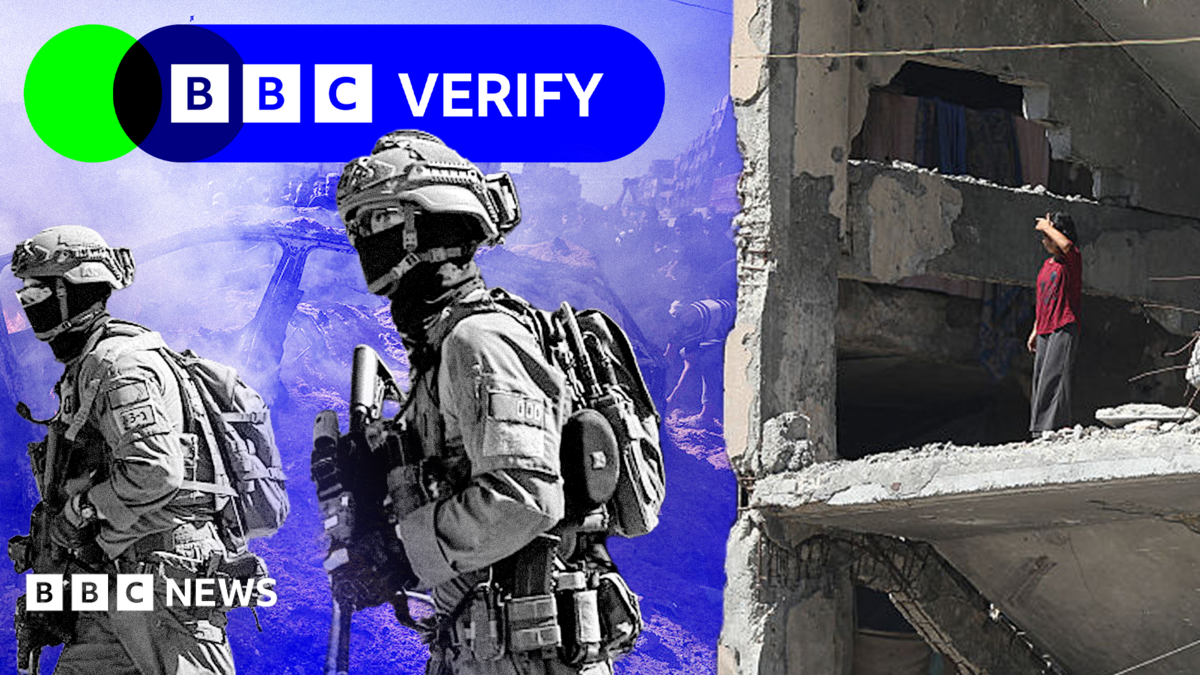
A comprehensive review conducted by BBC Verify has revealed that the Israel Defense Forces (IDF) have accumulated a backlog of at least 254 internal inquiries into allegations of unlawful conduct and civilian killings over the past three years without reaching or publishing conclusive outcomes. These incidents span operational actions in Gaza, the West Bank, and regional border theaters. Under standard international humanitarian law protocols, armed forces operating in conflict zones maintain internal investigative mechanisms—principally the Fact Finding Assessment Mechanism (FFAM)—designed to independently review alleged operational irregularities and determine whether criminal proceedings under military law are warranted.
The findings arrive amid sustained legal challenges facing Israeli state actors before international tribunals, including the International Court of Justice (ICJ) and the International Criminal Court (ICC). The principle of complementarity under the Rome Statute stipulates that international bodies only intervene when domestic legal systems are demonstrably unable or unwilling to conduct genuine investigations. The revelation of extensive unresolved case files directly challenges the defense of domestic legal sufficiency, increasing the legal vulnerability of political and military leadership on the international stage.
Global Trade & Economic Ripples
While the primary substance of military inquiries belongs to operational and international law, the systemic delay in accountability cascades into trade and commerce. Institutional investors and multilateral sovereign funds have increasingly scrutinized portfolio exposure in Israeli tech, defense, and sovereign debt markets. Heightened compliance requirements regarding environmental, social, and governance (ESG) standards, alongside international human rights metrics, are compelling major European pension funds to assess their holdings in state-backed commercial instruments.
Furthermore, prolonged conflict and legal uncertainty reinforce structural tensions along key commercial shipping arteries in the Eastern Mediterranean and Red Sea corridors. The persistence of unmitigated military friction continues to inflate maritime war risk premiums, adding marginal transportation costs to dry bulk, petroleum, and containerized goods transiting between European consumer hubs and Asian manufacturing bases. For regional supply chains, persistent instability dampens foreign direct investment across cross-border infrastructural initiatives.
Related Intelligence: Lahore Anti-Terrorism Court Extends Remand of PTI Leader Hammad Azhar
International Reactions & Diplomatic Stances
The documented backlog has attracted sharp condemnation from global human rights organizations and legal monitors. Non-governmental entities, including Amnesty International and Human Rights Watch, have argued that internal military assessment frameworks serve primarily to shield state actors from external legal accountability rather than provide genuine transparent oversight.
In Western diplomatic hubs, the documentation has fueled growing calls from parliamentarians in the United Kingdom, European Union member states, and the United States to condition bilateral defense procurement and export licensing frameworks. Diplomatic sources in Brussels indicate that ongoing reviews of the EU-Israel Association Agreement will likely integrate these operational assessment deficits into human rights compliance debates, testing the consensus among European member states regarding existing trade terms and diplomatic defense alignment.
Strategic Outlook & Future Scenarios
Moving forward, the primary pressure point lies in the acceleration of proceedings before international jurisdictions. The inability to demonstrate timely, independent, and transparent internal resolution creates substantial room for international prosecutors to advance formal indictments and request additional oversight measures. Multilateral summits, including upcoming United Nations Human Rights Council sessions, are positioned to debate formal investigative commissions to supersede stalled internal probes.
In parallel, strategic defense partners may face mandatory domestic judicial reviews regarding arms export licenses, particularly in jurisdictions bound by the Arms Trade Treaty. Should sovereign jurisdictions enforce legal restrictions on defense exports, the diplomatic friction will likely trigger heightened volatility in regional currency valuations, expand geopolitical risk premiums across Mediterranean energy extraction projects, and prolong structural uncertainty across the broader Middle Eastern commercial theater.
Join Our Official WhatsApp Channel
Receive live commodity alerts, policy changes, and commercial intelligence directly on WhatsApp.