
German Elections Test Chancellor Merz as Economic and Political Pressures Mount
Decisive elections in Germany have placed Chancellor Friedrich Merz under intense pressure, threatening broader political paralysis across Europe as the continent navigates industrial headwinds and heightened geopolitical competition.
Geopolitical & Core Developments
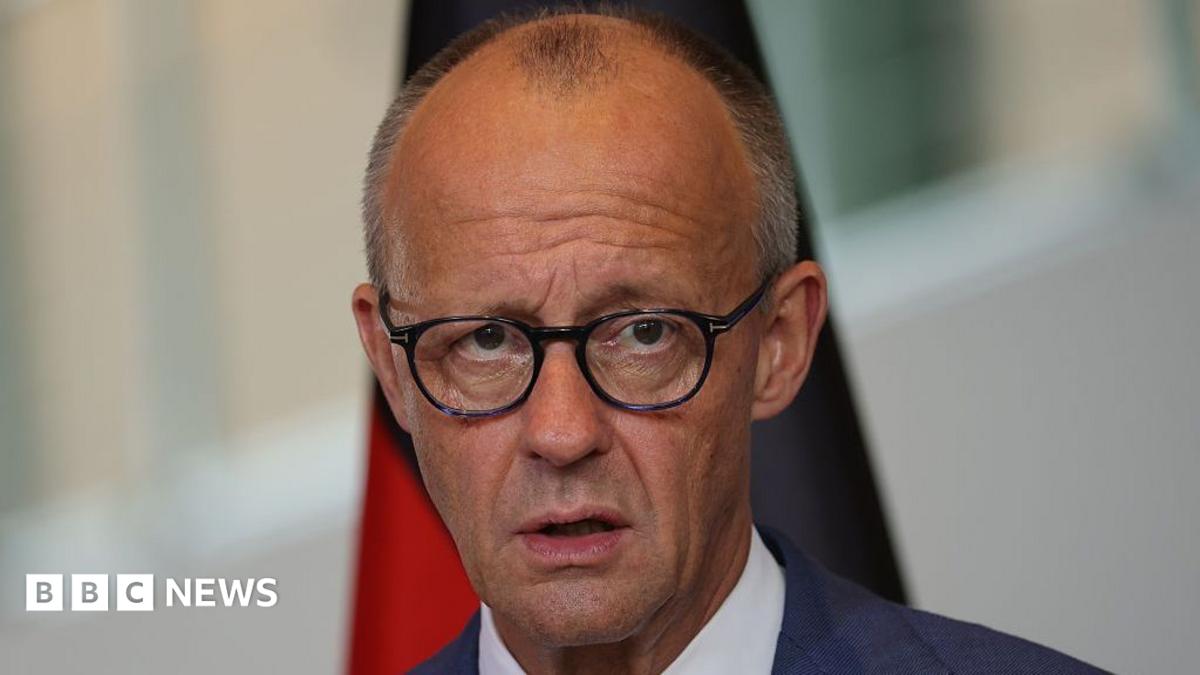
Voters across Germany have cast their ballots in critical elections that represent a decisive stress test for Chancellor Friedrich Merz and his governing apparatus. The electoral contests arrive during a period of acute vulnerability for Berlin, marked by severe political fragmentation, an ascendant populist challenge on multiple fronts, and growing public dissatisfaction with economic management. For Merz, who entered office pledging fiscal discipline, renewed industrial competitiveness, and strategic clarity, a weak electoral showing threatens to paralyze his administration and disrupt the federal balance of power.
The international stakes are substantial. As the European Union confronts volatile security dynamics across Eastern Europe alongside shifts in transatlantic defense partnerships, decisive leadership from Berlin is essential. A compromised chancellorship directly degrades Germany's ability to drive consensus in Brussels on crucial initiatives, including sovereign defense financing, military aid frameworks, and collective European security architecture. Losses for the governing Christian Democrats (CDU/CSU) will inevitably exacerbate factional disputes within the ruling coalition, complicating legislative efforts and eroding the chancellor's authority on the global stage.
Global Trade & Economic Ripples
Political turbulence within Europe's primary economic engine creates immediate headwinds for international commerce and financial markets. Germany continues to struggle with weak industrial momentum, sluggish manufacturing output, and persistently high structural energy costs following the severance of direct Russian gas pipelines. Heightened political instability threatens to stall long-anticipated regulatory reforms, corporate tax overhauls, and capital investment across the automotive, chemical, and precision engineering sectors.
Financial markets have demonstrated clear sensitivity to the vote. The euro faced modest selling pressure against the US dollar and major trading currencies, reflecting investor anxiety over potential governance gridlock and deferred fiscal execution. Simultaneously, benchmark European energy markets, including title transfer facility (TTF) natural gas futures, remain sensitive to federal policy continuity regarding decarbonization timelines and industrial energy subsidies. Given Germany's extensive supply-chain integration across Central and Eastern Europe, prolonged policy inertia risks suppressing trade volumes and capital goods exports across the broader continent.
Related Intelligence: KP Chief Minister Blames Deteriorating Security on Flawed Foreign Policy
International Reactions & Diplomatic Stances
Allied capitals and multilateral institutions are following the electoral fallout with heightened concern. Diplomats in Brussels and Paris have privately warned that an inward-focused or politically paralyzed German government could disrupt the Franco-German axis, which remains vital for advancing European single-market integration, trade defensive instruments, and shared industrial policy. Without cohesive leadership from Berlin, legislative progress on European competitiveness reports risks grinding to a halt.
In Washington, policymakers are closely monitoring the political ramifications for Germany's NATO defense spending targets. While transatlantic leaders publicly maintain a neutral diplomatic posture regarding domestic electoral processes, institutional analysts from prominent financial bodies highlight rising sovereign risk premia. Market strategists point out that unresolved domestic governance in Berlin diminishes European leverage in multilateral forums, complicating synchronized responses to global tariff disputes and international trade realignments.
Strategic Outlook & Future Scenarios
The immediate aftermath of the vote will dictate Berlin's strategic room for maneuver. If Chancellor Merz emerges severely diminished, analysts project a protracted phase of defensive coalition management, potential cabinet reorganizations, and prolonged budgetary impasses that could stifle foreign policy execution. Such an outcome would severely constrain Germany's diplomatic footprint at forthcoming European Council summits and multilateral gatherings.
Alternatively, should governing forces withstand the challenge, Merz will face an urgent imperative to accelerate economic revitalization and consolidate party discipline before parliamentary fissures widen. The resilience of Germany's center will ultimately determine whether Europe's largest economy can assertively navigate industrial transition and geopolitical volatility, or remain consumed by domestic political fragility.
Join Our Official WhatsApp Channel
Receive live commodity alerts, policy changes, and commercial intelligence directly on WhatsApp.