
Pakistan Intelligence Links Indian RAW and Afghan Regime to Proxy Network
Pakistani intelligence has uncovered evidence linking India's RAW and senior Afghan Taliban officials to cross-border proxy terror operations. The revelations elevate regional geopolitical risks, threatening key trade routes and domestic supply chains.
The Core Development
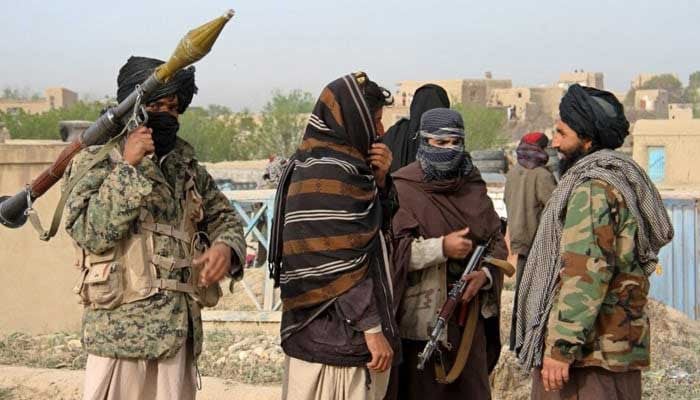
Security authorities in Islamabad have unveiled high-level intelligence identifying an operational syndicate linking India's Research and Analysis Wing (RAW) with senior elements of the Afghan interim administration to execute proxy attacks across Pakistan. According to investigative findings and intelligence dossiers, external hostile networks have systematically leveraged Afghan territory as an operational launchpad, establishing command hubs, arms caches, and logistical safe havens to coordinate asymmetric strikes inside Pakistani territory.
The uncovered apparatus demonstrates coordinated material, financial, and tactical support funneled to banned militant formations, specifically Fitna al-Khawarij (Tehreek-e-Taliban Pakistan) alongside associated sub-nationalist insurgent groups. Intelligence reports confirm that training facilities located across eastern and southern Afghan border zones have been utilized to prepare operatives before infiltrating Pakistani territory. Islamabad has repeatedly provided actionable intelligence to Kabul demanding decisive kinetic action against these enclaves. This official disclosure marks a significant diplomatic and defense juncture, formally bringing the convergence of external intelligence actors and regional non-state elements to the forefront of national security policy.
Commercial & Economic Implications
The deepening security friction along the western frontier carries immediate and tangible repercussions for Pakistan's commercial landscape, trade infrastructure, and macro-financial stability. Key bilateral land ports and transit arteries—principally Torkham, Chaman, and Ghulam Khan—face heightened interdiction protocols, extended cargo inspections, and intermittent border halts. For domestic wholesale traders, distributors, and industrial consumers, border disruptions directly affect commodity pricing and supply availability.
Overland trade with Afghanistan and the wider Central Asian Republics relies heavily on smooth logistics. Enhanced security checkpoints and risk assessments across Khyber Pakhtunkhwa and Balochistan result in elevated transport demurrage, higher insurance premiums for commercial freight, and acute delays for imported perishables, dry fruits, and industrial mineral shipments such as coal. Furthermore, regulatory scrutiny on the Afghan Transit Trade (ATT) mechanism will tighten further to curb undocumented parallel trade. On a macroeconomic scale, persistent regional instability increases security allocations within the federal budget, strains border management resources, and sustains a risk discount on sovereign assets at a time when fiscal consolidation remains critical.
Related Intelligence: Kohat Clearance Operation Ends as Security Forces Neutralize Eight Militants
Stakeholder Perspectives & Market Reactions
The domestic business community has expressed profound concern over the economic ripple effects of regional border volatility. Leading trade bodies, including the Federation of Pakistan Chambers of Commerce and Industry (FPCCI) and regional transport associations, have emphasized the necessity of balancing national security mandates with uninterrupted commercial transit. Merchant groups note that abrupt border closures lead to immediate localized inflation in wholesale produce markets and disrupt cash flows for cross-border clearing agents.
Defense analysts and trade economists alike argue that hostile state-backed proxy activities are calculated not only to destabilize domestic security but also to undermine investor confidence in Pakistan's trade corridors and industrial hubs, including projects under the China-Pakistan Economic Corridor (CPEC). Capital markets have maintained a cautious stance, with institutional investors monitoring whether the diplomatic rift will manifest in prolonged trade sanctions, retaliatory customs measures, or broader geopolitical isolation of the Kabul regime.
Forward Outlook & Key Watchpoints
In the coming weeks, Pakistan is projected to pursue a multi-pronged strategy comprising aggressive diplomatic demarches at international forums, including the United Nations, alongside heightened kinetic surveillance along border zones. Commercial entities must anticipate enhanced compliance documentation, biometric driver verification, and rigorous scanning standards across all cargo terminals operating along the western frontier.
Key watchpoints include the Afghan interim regime's formal response to Islamabad's dossier, possible revisions to transit trade agreements, and the potential imposition of specialized security surcharges on regional freight. For supply chain managers, retail distributors, and industrial buyers, diversifying import sourcing channels and accounting for longer transit lead times will be critical operational necessities as Pakistan intensifies its counter-proxy measures.
Join Our Official WhatsApp Channel
Receive live commodity alerts, policy changes, and commercial intelligence directly on WhatsApp.