
Deadly Deir Az Zor Military Depot Explosion Sparks Regional Security Concerns
An explosion at an ammunition depot in eastern Syria killed eleven soldiers, re-escalating security vulnerabilities along vital regional transit corridors and sparking heightened international monitoring across volatile Middle Eastern borders.
Geopolitical & Core Developments
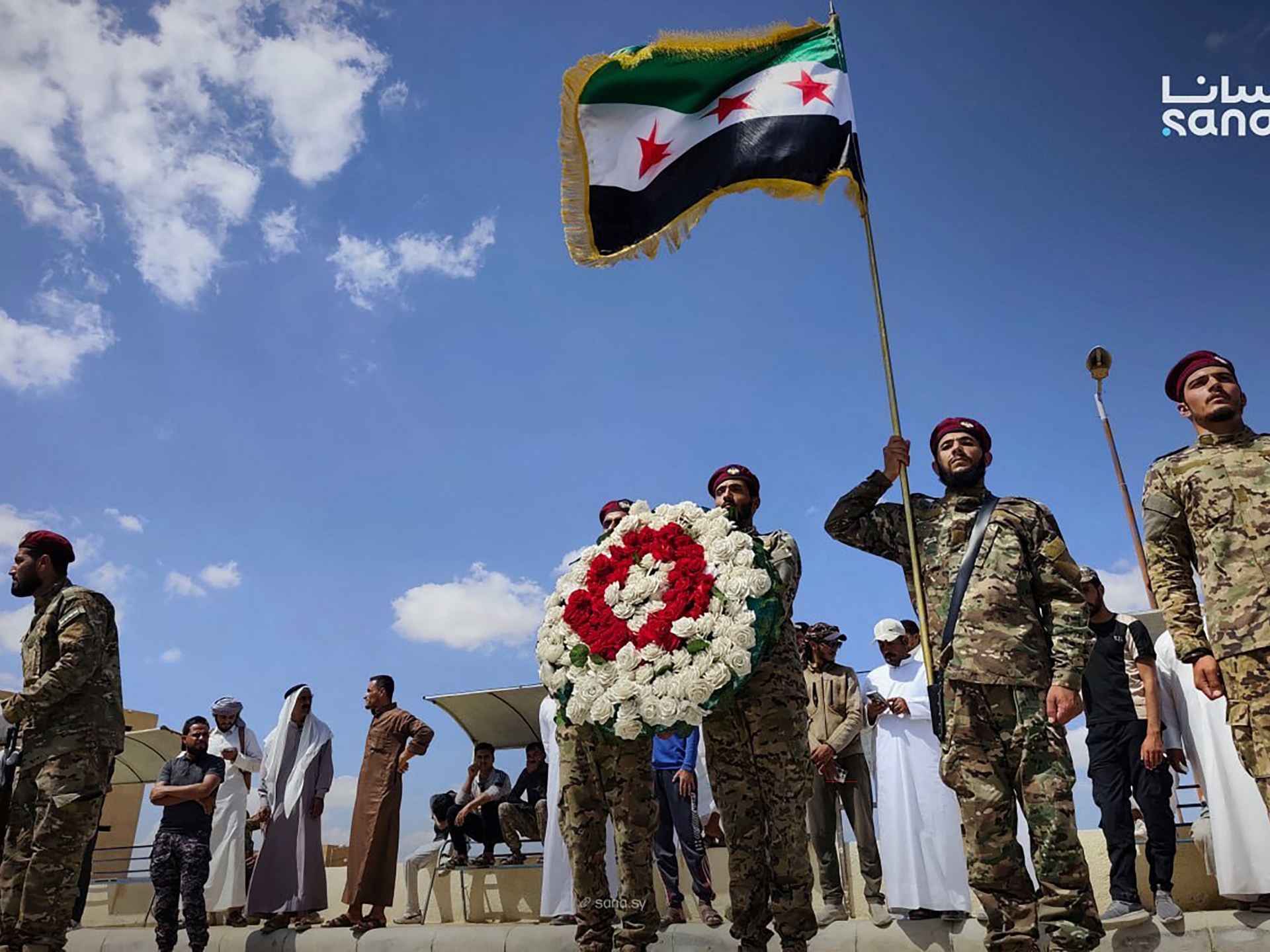
A catastrophic explosion tore through an ammunition depot operated by the Syrian Armed Forces in the town of Ayyash, situated in western Deir Az Zor province, killing at least eleven soldiers and wounding several others. Following the detonation, the Syrian military conducted official funerals for the deceased service personnel, marking one of the deadliest single-site logistics incidents for Syrian government forces in the region this quarter.
Deir Az Zor remains one of the most contested and strategically vital flashpoints in the Syrian theater. Bisected by the Euphrates River, the province represents a critical geographic nexus connecting Damascus to Baghdad. The area is marked by a complex overlap of regional and international actors: Syrian state forces and allied regional militias control western sectors, while the Kurdish-led Syrian Democratic Forces (SDF), backed by United States military detachments, hold territory east of the river. While state sources described the incident as an accidental detonation during munitions handling, the strategic sensitivity of Ayyash—which hosts extensive storage networks and logistical facilities—has drawn intense scrutiny. The presence of overlapping military interests and historical aerial targeting in the area has placed security analysts on alert for broader vulnerabilities within Syrian operational infrastructure.
Global Trade & Economic Ripples
While Syria remains largely separated from standard international commercial flows due to multi-tiered Western sanctions under frameworks like the US Caesar Act, localized volatility in Deir Az Zor reverberates across Middle Eastern trade architecture. Deir Az Zor province hosts Syria's primary hydrocarbon assets, including the strategic al-Omar oil field and the Conoco gas facility. Persistent instability along these logistical corridors directly hampers domestic energy transport and pipeline security, aggravating refined product shortages across the Levant and increasing reliance on maritime fuel imports.
Furthermore, the highway networks stretching across Deir Az Zor toward the al-Qaim border crossing serve as a pivotal overland artery for non-sanctioned regional transit, linking agricultural and industrial trade between Iran, Iraq, and Syria. Heightened military risk along this conduit inflates overland transportation insurance rates and freight premiums. Persistent instability across the broader Middle East continues to complicate regional logistics, compelling commodity traders and shipping companies to factor elevated geopolitical risk premiums into commercial movements across bordering Red Sea and Persian Gulf auxiliary routes.
Related Intelligence: Iran Car Market Crisis Exposes Sanctions Pressure and Internal Monopolies
International Reactions & Diplomatic Stances
The incident prompted close scrutiny from multilateral bodies and regional observer desks tracking Syrian stability. The United Nations Office of the Special Envoy for Syria reiterated the imperative for de-escalation and systematic restraint, cautioning that tactical munitions incidents can ignite wider friction in an already volatile humanitarian environment. Multilateral monitors emphasized that the preservation of civil infrastructure and stability remains essential to avoiding further regional displacement.
In Damascus, official communication focused entirely on military solemnity and domestic sacrifice, avoiding explicit attribution to foreign actors. Observers noted that regional powers, including the United States and Israel, maintain a policy of targeted interdiction against advanced weapons transfers in eastern Syria, though neither issued operational statements regarding the Ayyash explosion. Russian military command posts in western Syria maintained operational communications through established deconfliction channels to prevent unintended escalatory responses across the Euphrates dividing line.
Strategic Outlook & Future Scenarios
Moving forward, the security posture across eastern Syria faces several critical inflection points. In the immediate term, Syrian military authorities are expected to enforce stringent auditing and operational security protocols across weapons stockpiles to preempt logistics failures or potential internal sabotage. Any internal degradation of military infrastructure risks exposing state positions to opportunistic hit-and-run attacks from insurgent remnants of the Islamic State (ISIS), which continue to operate in the adjacent Badiya desert.
Geopolitically, the balance of power along the Euphrates River will remain precarious. Cross-border commercial movements through eastern Syria will continue to navigate unpredictable security environments, keeping logistics costs elevated for regional distributors. On the diplomatic stage, upcoming rounds of the Astana format and United Nations Security Council briefings will likely confront the unresolved security architecture in Deir Az Zor, where localized military disruptions retain the persistent capacity to affect regional cross-border stability.
Join Our Official WhatsApp Channel
Receive live commodity alerts, policy changes, and commercial intelligence directly on WhatsApp.