
Pakistan Pursues Regional Trade Alignment as Dar Leads SCO Mission in Dushanbe
Deputy Prime Minister Ishaq Dar represents Pakistan at the SCO Council of Heads of Government in Tajikistan, advancing regional trade corridors, energy security, and cross-border commercial integration.
The Core Development
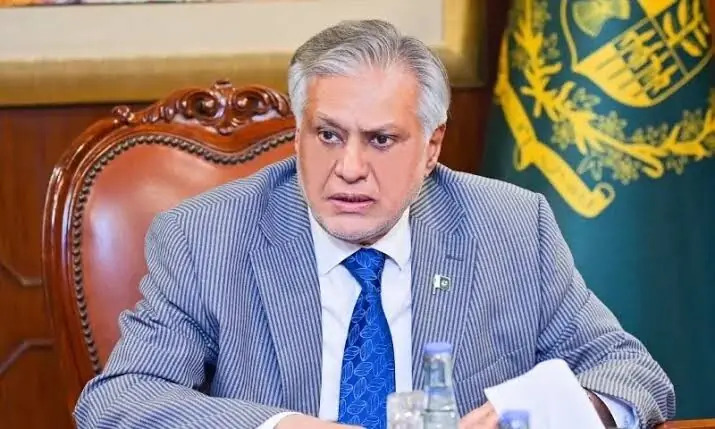
Deputy Prime Minister and Foreign Minister Senator Mohammad Ishaq Dar will lead Pakistan's high-level delegation to the Shanghai Cooperation Organisation (SCO) Council of Heads of Government meeting in Dushanbe, Tajikistan, scheduled for October 19-20. The official engagement follows a formal invitation extended by Tajikistan's Prime Minister Qohir Rasulzoda, according to a statement issued by the Ministry of Foreign Affairs in Islamabad.
The Dushanbe summit gathers prime ministers and senior representatives from across the Eurasian bloc, including China, Russia, Belarus, Kazakhstan, Kyrgyzstan, Uzbekistan, and Tajikistan. The Council of Heads of Government represents the SCO's principal organ responsible for economic, trade, infrastructure, and budgetary agendas. Dar's mandate focuses on reinforcing multilateral connectivity initiatives, solidifying bilateral economic discussions with Central Asian counterparts, and addressing collective mechanisms for regional stability and commercial cooperation. This mission follows closely on the heels of Pakistan hosting high-profile regional gatherings, underscoring Islamabad's strategic pivot toward sustained geoeconomic integration.
Commercial & Economic Implications
For Pakistan's commercial landscape, the Dushanbe summit carries direct operational consequences for wholesale supply chains, logistics architecture, and industrial raw material sourcing. The SCO regional framework serves as the primary diplomatic vehicle for operationalizing overland trade routes connecting Pakistan's ports at Karachi and Gwadar to the landlocked markets of Central Asia. Broadened transit rights through Tajikistan, Uzbekistan, and China provide domestic trading houses with shorter, cost-effective conduits for shipping textiles, pharmaceuticals, and agricultural commodities northwards.
Conversely, enhanced integration facilitates diversified inflows of minerals, petrochemicals, energy products, and agricultural inputs into Pakistan. Diversifying overland import channels acts as an essential buffer against elevated maritime shipping premiums and geopolitical choke points in international sea lanes. For national wholesale distributors and large-scale retailers, expanded regional rail and road corridors can alleviate inventory bottlenecks, lower carrying costs, and mitigate domestic imported inflation on key manufacturing components. The summit also touches on local-currency settlement mechanisms among member states, which holds the potential to conserve scarce foreign currency reserves in bilateral commerce over the medium term.
Related Intelligence: US Synthetic Opioid Epidemic Fuels Transnational Supply Chain Tensions
Stakeholder Perspectives & Market Reactions
Pakistan's industrial bodies and wholesale trade federations have voiced measured optimism regarding the diplomatic engagement. Business associations in Punjab and Sindh have consistently petitioned the government to dismantle tariff barriers, rationalize customs protocols, and streamline bonded cargo transit through Central Asia. Federation of Pakistan Chambers of Commerce and Industry (FPCCI) leadership has highlighted that overland transit through Tajikistan offers viable alternative avenues for non-traditional exports, provided cross-border banking corridors are institutionalized.
Logistics and freight-forwarding operators emphasize the need for standardized regulatory frameworks, unified vehicle clearance documentation, and reduced insurance hurdles at international border crossings. Trade analysts maintain that while high-level diplomatic consensus provides necessary political cover, market operators require tangible bilateral protocol amendments. Financial circles are monitoring discussions closely, noting that increased Eurasian economic linkages could stabilize industrial supply chains, boost balance-of-payments resilience, and provide domestic commercial enterprises with fresh export demand.
Forward Outlook & Key Watchpoints
Following the two-day summit in Dushanbe, implementation will shift toward the execution of the agreed multilateral protocols. Key indicators to monitor include the formal finalization of transport and transit trade agreements, prospective timelines for pilot road freight consignments under international TIR conventions, and the operational status of regional payment clearing mechanisms.
Domestically, the federal government must align customs modernization programs with SCO regional transit standards to prevent bottlenecks at border terminals. Over the coming quarters, the effectiveness of Dar's Dushanbe mission will be measured by concrete cargo volumes, streamlined border transit times between Pakistan and Central Asian republics, and reciprocal tariff revisions on strategic industrial and agricultural commodities.
Join Our Official WhatsApp Channel
Receive live commodity alerts, policy changes, and commercial intelligence directly on WhatsApp.