
Albanian Political Unrest Intensifies as Protests Demand Prime Minister Rama Resignation
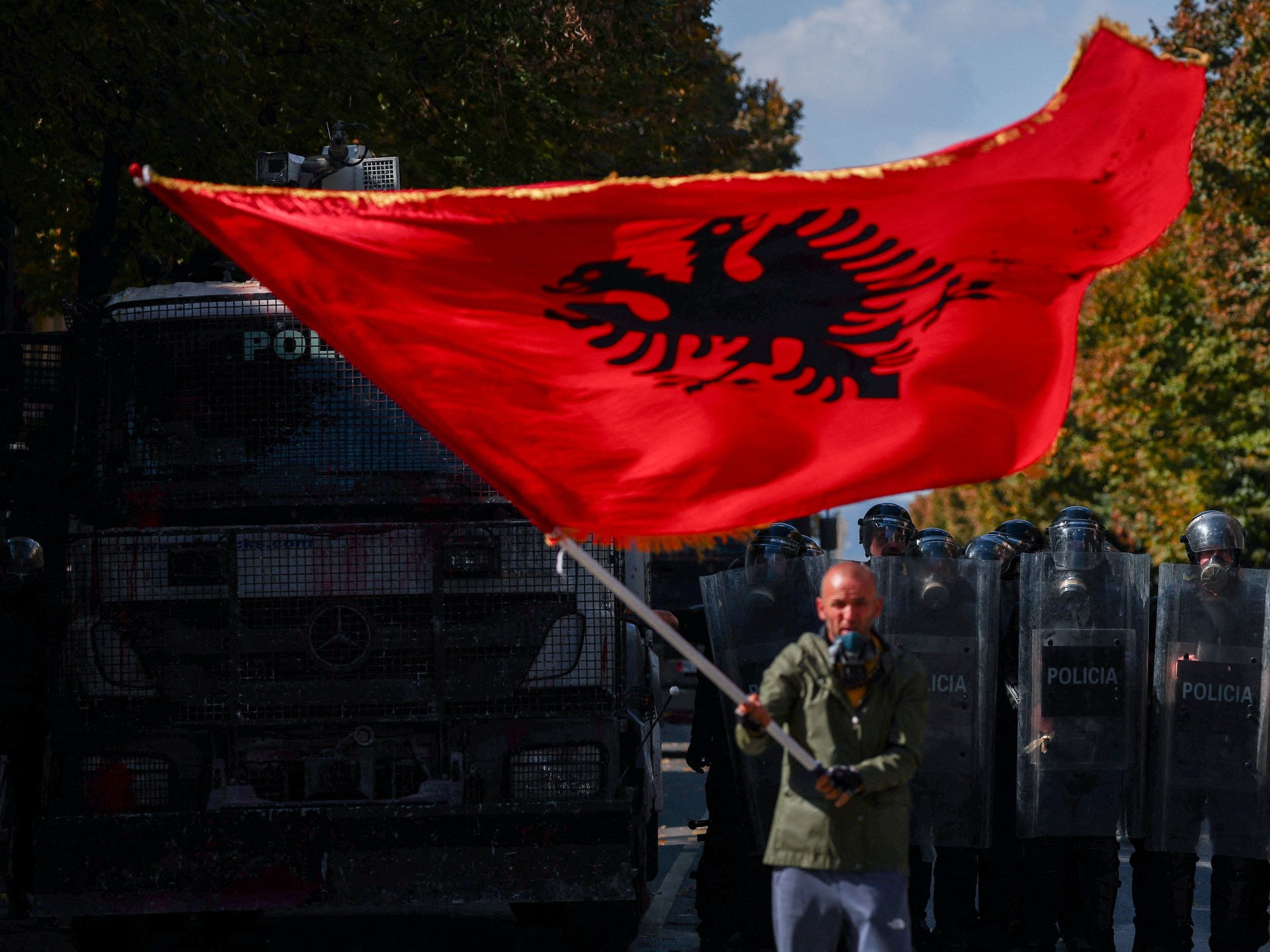
Violent clashes erupted in Tirana as security forces confronted student-led anti-government demonstrations demanding the resignation of Prime Minister Edi Rama amid mounting economic frustration.
Geopolitical & Core Developments
Tirana has witnessed a dramatic escalation in civil unrest as anti-government demonstrations, led predominantly by university students and supported by civil society coalitions, entered their sixth consecutive day. The protests, which originated as an outcry against rising living costs and systemic governance failures, have rapidly consolidated into a unified demand for the immediate resignation of Prime Minister Edi Rama. Law enforcement units deployed tear gas, water cannons, and physical cordons outside central government ministries and parliamentary complexes, resulting in widespread arrests and minor injuries across the capital.
Prime Minister Rama, who has maintained an extended tenure at the helm of the Socialist Party, faces intense scrutiny over procurement scandals, governance centralization, and alleged ties between political machinery and organized commercial cartels. While the administration contends that the unrest is being weaponized by fragmented opposition elements, the demonstrations underscore a deep-seated domestic crisis. Institutional erosion and high youth emigration rates have diminished public confidence in state frameworks, elevating a domestic governance grievance into a protracted political standoff with profound implications for regional stability in Southeast Europe.
Global Trade & Economic Ripples
Although Albania accounts for a modest share of direct global trade volumes, its geographic position along Adriatic transit corridors and its role within regional cross-border infrastructure initiatives elevate the commercial risks associated with sustained unrest. Continued disruption in the capital threatens operational continuity for critical logistics networks, including freight lines connecting the Port of Durres to the broader Western Balkan hinterland. Sustained volatility risks dampening foreign direct investment, particularly in strategic sectors such as renewables, mining, and regional gas transport networks, including the Trans Adriatic Pipeline corridor.
Financial markets are monitoring potential macro shifts across sovereign debt instruments and the domestic currency, the lek. Prolonged structural instability risks inflating risk premiums for Albanian sovereign bonds, restricting institutional lending, and slowing ongoing fiscal adjustments mandated by international monetary bodies. Furthermore, foreign enterprises engaged in textile manufacturing, agriculture, and service outsourcing face potential operational delays if urban disruptions expand into cross-sector labor strikes and transportation blockades.
Related Intelligence: West Bank Escalation Threatens Levant Stability and Regional Trade Corridors
International Reactions & Diplomatic Stances
The European Union and international partners have expressed measured concern over the deteriorating public order in Tirana. The European Commission issued an appeal urging institutional restraint, emphasizing that the right to peaceful assembly must be preserved while condemning acts of violence directed at civil infrastructure and law enforcement personnel. Brussels maintains a critical stake in the situation, given Albania's ongoing accession negotiations, which require compliance with rigorous anti-corruption, rule-of-law, and judicial independence benchmarks.
United States diplomatic representatives in Tirana echoed calls for constructive political dialogue, urging non-violent engagement while reiterating support for legal accountability and transparent governance. Conversely, institutional market analysts and regional risk consultancies have flagged that prolonged government fragility risks paralyzing structural policy reforms, eroding donor confidence, and chilling foreign corporate engagements across the southern Adriatic rim.
Strategic Outlook & Future Scenarios
Moving forward, the primary trajectory hinges on whether the Rama administration can successfully defuse street momentum through formal institutional concessions, cabinet reshuffles, or substantive anti-corruption pledges. If security services intensify suppression measures, international human rights monitors and European bodies may elevate formal scrutiny, complicating the legislative cadence required for EU accession talks.
Should the demonstrations expand into general labor strikes and broader civil disobedience, the government may face mounting pressure to announce snap parliamentary elections. Such an outcome would induce short-term legislative paralysis, delay critical cross-border infrastructure allocations, and amplify geopolitical vulnerabilities across the Western Balkans during a period of acute continental instability. Continued domestic monitoring and market vigilance remain essential as the administration seeks to regain public order.
Join Our Official WhatsApp Channel
Receive live commodity alerts, policy changes, and commercial intelligence directly on WhatsApp.